The Real Cost of Walking 20,000 Steps in Humid Japan
A solo traveler boards a train from Osaka to Kyoto with a packed itinerary: temples, shrines, a bamboo grove, a market. By day three, the hot asphalt and humidity have softened the skin on their heels. The friction from a cotton sock compressed inside a sneaker creates a shear force that separates the epidermal layers. A blister forms. This is not a rare event. On Reddit travel forums, users routinely report developing blisters after walking 15,000 to 25,000 steps daily during multi-city Japan trips. The combination of heat, moisture, and repetitive motion makes the foot an ideal environment for blister development.
Why Blisters Form: The Mechanism
Blisters are the result of mechanical shear stress between the skin and an external surface. When the skin is moist—either from sweat or environmental humidity—the coefficient of friction increases. A 2019 review in Sports Medicine confirmed that wet skin has a higher risk of friction blisters than dry skin. The process: the outer epidermis slides against the inner dermis; fluid fills the gap to protect the tissue. The body is essentially building a temporary cushion. But in the context of a solo trip where every day demands 20,000 steps, that cushion becomes a liability. It can rupture, become infected, or simply make walking unbearable.
The humidity of Japan in summer—often above 80%—couples with the lack of air circulation inside a shoe to create a microenvironment that is nearly ideal for blister formation. The traveler’s foot will be wet within twenty minutes of leaving their hotel. The problem is not merely discomfort. A ruptured blister on a remote stretch of the Nakasendo trail or on a crowded Tokyo subway platform can force a traveler to abandon planned activities. Prevention is the only viable strategy.
Prerequisites for Prevention: Footwear and Conditioning
The most common advice from experienced Japan travelers is to break in new shoes before departure. This is not anecdotal; it is biomechanical. A stiff shoe increases the pressure points at the heel and toe box. Walking 20,000 steps in a shoe that has not adapted to the shape of the foot multiplies the shear force. The recommendation is to accumulate at least 50 miles of walking in the intended shoes before the trip. This allows the shoe’s midsole to compress and the upper to flex at natural crease points.
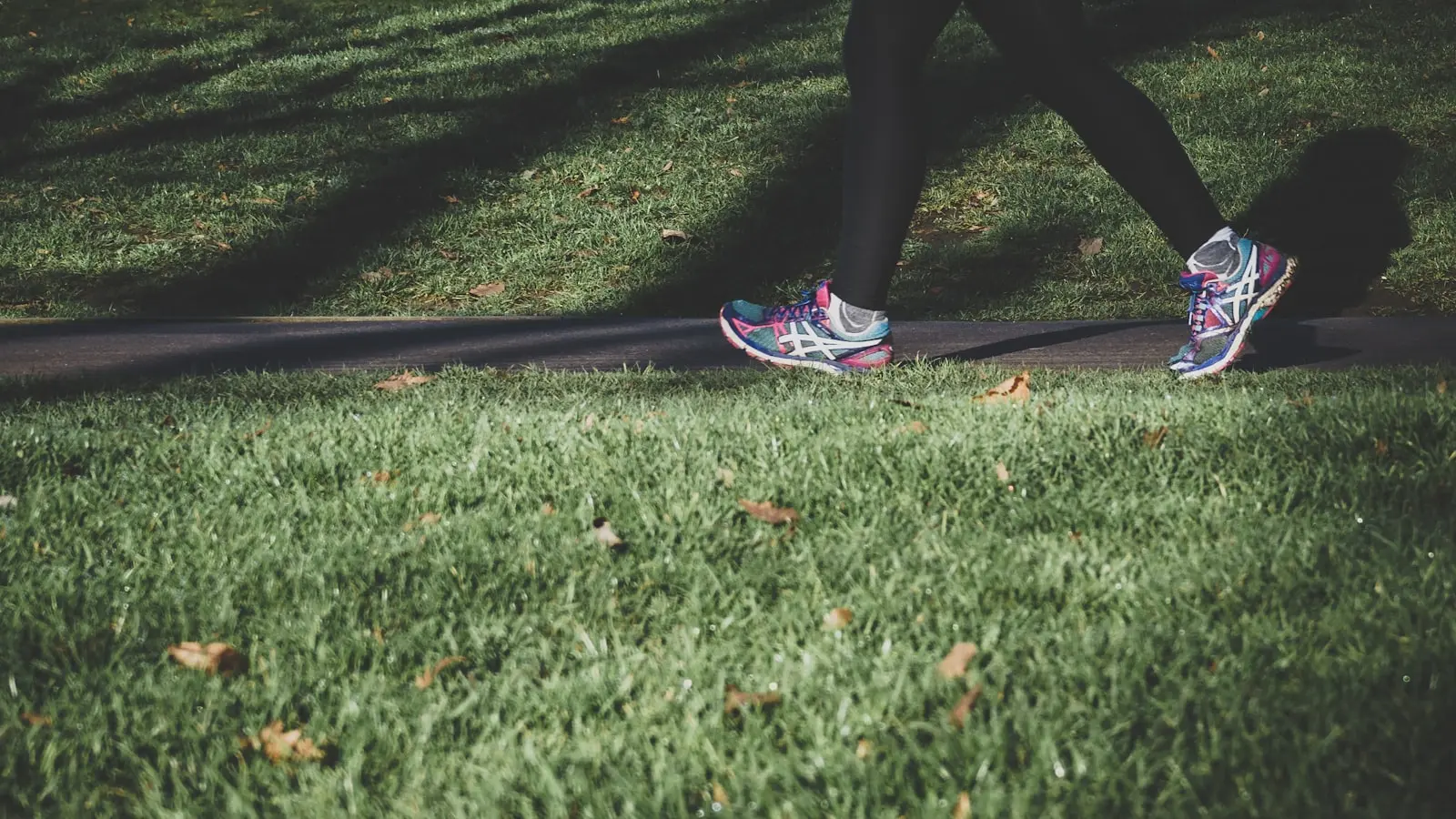
Shoe selection matters. Trail runners or walking shoes with a mesh upper allow ventilation. Leather dress shoes, fashion sneakers, or loafers trap heat and moisture. The internal temperature of a closed leather shoe in 30°C ambient conditions can exceed 40°C, as measured by footwear research from the University of Portsmouth. That elevated temperature increases sweat production and skin hydration.
Sock Strategy: The Single Most Effective Intervention
Socks are the primary defense against shear. Cotton socks absorb moisture and retain it against the skin. When cotton becomes wet, the friction coefficient rises and the fabric loses its shape, creating folds that abrade the skin. Synthetic moisture-wicking socks (made of polyester, nylon, or merino wool) move sweat away from the skin and dry faster. A pair of merino wool socks can manage moisture for an entire day of walking, though swapping socks at lunch is a prudent practice.
A more advanced strategy is the two-sock system: a thin synthetic liner sock underneath a thicker outer sock. The liner moves with the foot, and the outer sock moves with the shoe. The shear force is transferred to the interface between the socks rather than between sock and skin. This method has been used by military and long-distance hikers for decades. The U.S. Army Research Institute of Environmental Medicine confirmed that a liner sock reduces blister incidence in soldiers by over 40%.
For a solo traveler visiting multiple cities, carrying four to five pairs of socks allows for daily changes and mid-day swaps. The weight penalty is negligible; the benefit is significant. After washing in a hotel sink, synthetic socks dry overnight. Merino wool requires a bit more time but can be spun dry in a towel.
Reducing Friction: Powders, Balms, and Tape
Foot powder serves two purposes: it absorbs moisture and reduces friction. Talcum powder, cornstarch, or specialized foot powders create a slick surface that allows the skin to slide slightly rather than shear. The key is to apply the powder generously between the toes and on the soles before putting on socks. Reapplication after a lunch break is recommended.
Antiperspirants applied to the feet can reduce sweating. A 2018 study in the Journal of the American Podiatric Medical Association found that topical aluminum chloride hexahydrate significantly reduced foot sweat and blister formation during prolonged exercise. However, travelers should test this on their skin beforehand, as it can cause irritation.
Lubricants such as petroleum jelly or specialized anti-blister balms (e.g., Bodyglide) create a thin barrier that reduces friction. The downside is that they can make socks feel greasy and attract dirt. They work best when applied to known hot spots—the heel, the fifth metatarsal head, the side of the big toe—rather than the entire foot.
Taping high-risk areas with medical tape (zinc oxide or kinesiology tape) provides a physical barrier. The tape should be applied smooth, without wrinkles, to avoid creating new friction points. Many runners pre-tape their feet before long races. For a walking vacation, pre-taping the heels and the sides of the toes is a good precaution.
In-Field Management: Blister Plasters and Treatment
Despite all precautions, blisters can still occur. The standard first aid treatment is a hydrocolloid blister plaster. These dressings adhere to the skin, absorb exudate, and create a moist healing environment that reduces pain and speeds recovery. They should be applied as soon as a hot spot (a pre-blisters sensation of heat and tenderness) is felt. Do not wait for a visible blister to form. The plaster will provide cushioning and prevent further shear.
If a blister has already formed, do not pop it unless it is very large or in a location that makes walking impossible. An intact blister roof is the best biological dressing. If popping is necessary, use a sterilized needle, drain the fluid from the edge, leave the skin roof in place, and apply an antiseptic and a sterile dressing. Cover with a blister plaster. The traveler should monitor for signs of infection—increasing redness, warmth, pus, or red streaks—and seek medical attention if any appear. Japanese pharmacies (薬局) carry hydrocolloid dressings, often labeled as “blister shields” or “moleskin.” The staff can assist in English at major locations.
Adjusting Itinerary and Pacing
Walking 25,000 steps on day one and the same on day two without allowing the feet to recover is a recipe for cumulative damage. The body needs time to adapt. The traveler should schedule rest days or half-days where walking is limited. Alternate periods of walking with periods of sitting on trains or in cafes. Build in a 10-minute foot elevation break every two hours.
Foot care is not just a pre-trip preparation; it is an active part of the trip. In the evening, wash and dry feet thoroughly. Apply a moisturizer to keep the skin supple—dry, cracked skin can also lead to blisters. Inspect for any red spots or early signs. Consider an Epsom salt foot soak to reduce inflammation.
The Evidence-Based Takeaway
Blisters are a mechanical problem with mechanical solutions. The evidence supports controlling moisture, reducing shear, and using barriers. For a solo traveler moving between Osaka, Himeji, Kyoto, and Nagoya, the following actionable checklist emerges:
- Break in shoes for 50 miles before departure.
- Wear moisture-wicking socks (merino or synthetic) and change mid-day.
- Consider a liner sock under a thicker outer sock.
- Apply foot powder generously before every walk and reapply.
- Use antiperspirant on feet if sweating is profuse (test first).
- Pre-tape known hot spots with medical tape.
- Carry hydrocolloid blisters plasters and apply at the hot spot stage.
- Schedule rest and listen to the feet.
- Treat any blister with aseptic technique and monitor for infection.
The humidity of a Japanese summer and the demands of a multi-city itinerary do not have to result in a ruined vacation. The traveler who understands the physics of friction and the biology of moisture will walk farther, see more, and return with memories of temples and shrines rather than foot pain. The Reddit threads are full of warnings. The evidence offers a way to ignore them.