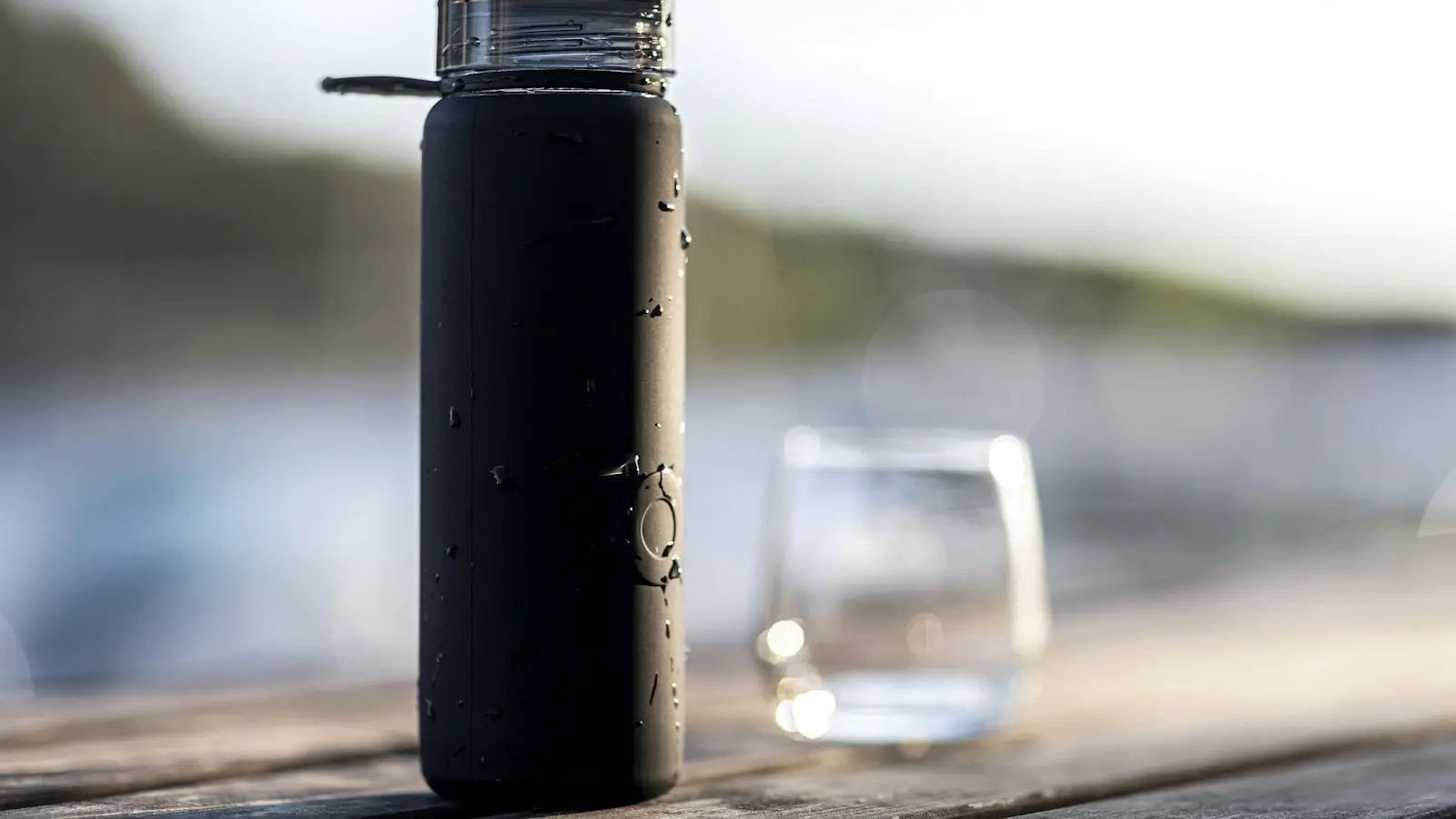
1. Why Dehydration Hits Quickly in Seville
Seville’s combination of intense Andalusian sun and low humidity accelerates fluid loss through sweat more than many travelers expect. When you walk for two to four hours between stops—common when visiting the Alcázar, Cathedral, and Plaza de España—your body loses water faster than you realize. Many visitors rely on a single small bottle and underestimate how much they need, then end up buying overpriced water at tourist sites when symptoms have already started. The key is to plan before you step out the door.
Key Takeaways
- Start your day with 500 ml of water and avoid relying on a single bottle.
- Drink 500 ml per hour during peak heat (10 a.m. to 4 p.m.).
- Refill for free at public fountains in Plaza de España, Alcázar gardens, and along the river.
- Add electrolytes when sweating heavily; avoid sugary sports drinks.
- Watch for dark urine, dry mouth, or dizziness as early warning signs.
2. Pre-Hydration: Start Before You Leave Your Accommodation
Drink at least 500 ml of water with breakfast to begin the day well-hydrated. If you usually have coffee or tea in the morning, alternate each cup with a glass of water, because large amounts of caffeine can have a mild diuretic effect. For those planning heavy morning walking, consider a hydrating beverage such as coconut water or a diluted electrolyte drink—this can help maintain fluid balance before you even start exploring.
3. A Timed Hydration Plan for Sightseeing
Carry at least one liter of water per person for a half-day outing and two liters for a full day of walking. A general recommendation is to drink 500 ml every hour during peak activity hours, roughly from 10 a.m. to 4 p.m. Set a phone reminder or use a simple hydration app to pace yourself. Sip steadily rather than gulping large amounts at once—steady sipping is easier on the stomach and keeps your fluid levels more consistent.
4. Free Refill Stations: Where to Find Potable Water in Seville
Public drinking fountains, called fuentes, are common throughout Seville. Reportedly, you can find working fountains in Plaza de España, the Alcázar gardens, and along the Guadalquivir riverbank. Many are marked as drinking water, but always confirm that a fountain is labeled for consumption—some decorative fountains may not be safe. The tap water in Seville meets EU potable standards, though some travelers prefer a bottle with a built-in filter to improve taste. Tourist information centers and some museums also offer refill stations, so it is worth asking at the entrance.
5. Best Water Containers for Hands-Free Exploration
A hydration backpack with a 2-liter capacity keeps your hands free and holds enough water for several hours of sightseeing. Many travelers find this far more convenient than juggling a bottle while taking photos or climbing stairs. Alternatively, a reusable bottle with a filter can be clipped to a bag strap. Lightweight collapsible bottles serve as a backup for small daypacks. Single-use plastic bottles are not only expensive at tourist sites but also contribute to waste; refillable options are both economical and practical.
6. Electrolytes vs. Plain Water: When to Supplement
For short walks in mild heat, plain water is sufficient. However, when you sweat heavily during long afternoons in direct sun, you lose sodium and potassium along with water. In those conditions, adding electrolytes can help maintain nerve and muscle function. Practical options include sports drink tablets, coconut water, or simply a pinch of salt and a squeeze of lemon in your water. Avoid sugary sports drinks that can cause energy spikes and crashes—aim for low-sugar electrolyte sources instead.
7. What to Avoid: Caffeine and Alcohol
Caffeine has a mild diuretic effect, so be mindful of drinking large amounts of coffee, strong tea, or energy drinks, especially during the hottest part of the day. One cup is usually fine, but replace subsequent beverages with water. Alcohol accelerates fluid loss more significantly. If you choose to have a beer or sangria with lunch, alternate each alcoholic drink with a glass of water. The water will help offset the diuretic effect and keep your hydration level more stable.
8. Early Signs of Dehydration to Self-Monitor
Common early indicators include dark yellow urine, a dry mouth, headache, dizziness, and unusual fatigue. If you notice any of these, stop walking, find shade, and drink fluids—preferably with electrolytes. Children and older adults may show symptoms faster, so pay extra attention if traveling with family. Severe signs such as confusion, rapid heartbeat, or fainting require immediate medical attention. Catching mild dehydration early is the best way to prevent it from ruining your afternoon exploration.
FAQ
How much water should I plan to drink per day while sightseeing in Seville? A good target is two to three liters total, but adjust based on the temperature, your activity level, and how much you sweat. A practical rule is 500 ml per hour of walking during midday heat. Individual needs vary with age, weight, and health, so listen to your body and drink when thirsty.
Are the public drinking fountains in Seville safe to drink from? Yes, the municipal tap water in Seville is treated and meets drinking water standards. However, not every fountain is intended for drinking; look for those clearly marked as potable or labeled “agua potable.” When in doubt, ask a local or check a current city map that highlights water fountains.
What should I do if I start feeling dehydrated despite drinking water? Rest immediately in the shade and drink a solution that contains electrolytes—either a tablet, coconut water, or water with a pinch of salt. If you do not improve within 30 minutes, or if symptoms worsen (confusion, vomiting, rapid pulse), seek medical help. Severe dehydration can progress quickly and requires professional care.