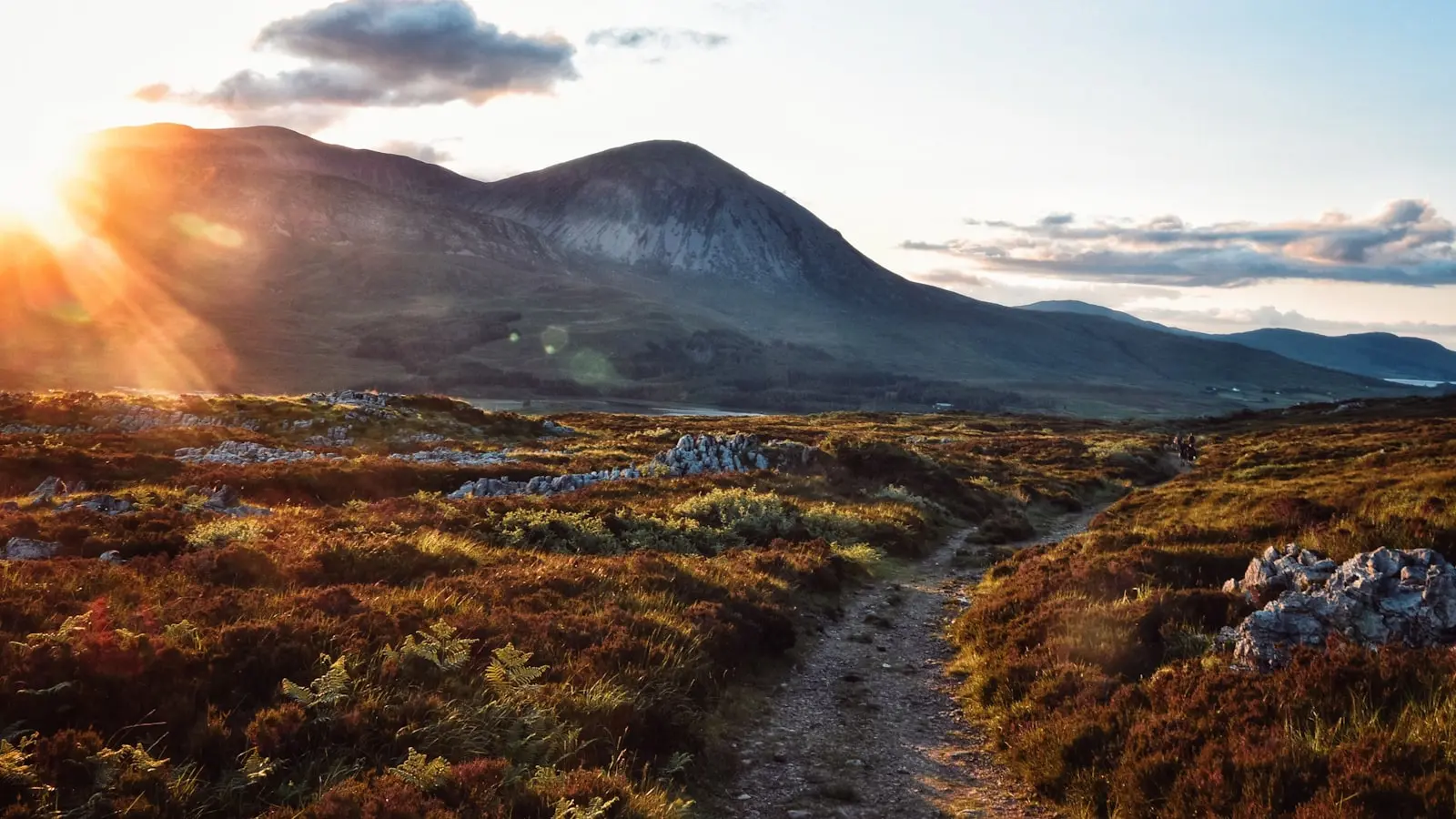
Understanding Altitude Sickness in the Scottish Context
Altitude sickness, or acute mountain sickness (AMS), typically occurs above 2,500 metres. However, mild symptoms can appear at lower elevations when you ascend rapidly from sea level. Scottish peaks such as Ben Nevis (1,345 metres), Glencoe summits (700–1,000 metres), and the Cairngorms (1,245 metres) are well below the classic threshold, yet many hikers report headaches, nausea, and fatigue on steep ascents.
Your body needs time to adjust to lower oxygen levels. If you start a hike near sea level and climb quickly, your cardiovascular system may struggle to keep up. This can trigger mild AMS even at moderate altitudes. The good news is that severe forms of altitude sickness (high-altitude cerebral edema or high-altitude pulmonary edema) are extremely unlikely in Scotland. Symptoms are generally mild, self-limiting, and manageable with the right approach.
Key Takeaways
- Ascend slowly and maintain a conversational pace to allow your body to adjust.
- Stay hydrated with 500–700 ml of water per hour and replace electrolytes.
- Recognize mild symptoms like headache and nausea early; rest or descend if they persist.
- Gradual ascent and hydration are more effective than medication for Scottish peaks.
Pre-Hike Preparation: Conditioning and Acclimatization
Building cardiovascular fitness several weeks before your trip can help your body cope with the added demands of uphill walking. Hill walking, stair climbing, or regular cardio sessions are effective. While you cannot fully acclimatise to altitude without actually being at altitude, you can take practical steps to prepare.
If possible, spend a night at a higher elevation before your hike. Although the base of Ben Nevis (Fort William) sits near sea level, consider staying in a valley or bothy at a slightly higher altitude if available. Even a few hundred metres can give your body a head start. Allow a rest day if you fly into Scotland: a day of light activity at low altitude helps your body recover from travel and begin adjusting.
Hydrate well the day before your hike. Clear urine is a good indicator that you are well-hydrated. Avoid alcohol and heavy meals the night before, as both can interfere with sleep and hydration. Sleep quality matters: fatigue lowers your tolerance to altitude effects.
On the Trail: Pacing, Hydration, and Nutrition
Once on the trail, pacing is your most powerful tool. Ascend slowly and maintain a conversational pace. Use the “talk test”: if you cannot speak a full sentence without stopping to catch your breath, slow down. Many hikers push too hard in the first hour and then struggle later.
Take frequent short breaks. A five-minute rest every hour allows your heart rate to drop and your body to adjust. Plan a longer stop at a midway point to refuel and assess how you feel.
Hydrate consistently. Aim for 500 to 700 millilitres of water per hour of moderate hiking. Increase this if you are sweating heavily or if the weather is warm. Adding an electrolyte tablet or a small pinch of salt to your water can replace sodium lost through sweat and help prevent dehydration-related headaches.
Eat small, frequent snacks rather than large meals. Nuts, dried fruit, energy bars, and bananas provide steady energy without weighing you down. Avoid heavy, fatty foods that are harder to digest at altitude. If you feel a headache or dizziness coming on, stop, rest, and have a light snack before continuing.
Recognizing and Responding to Symptoms
Mild AMS symptoms include headache, nausea, dizziness, fatigue, loss of appetite, and poor sleep. These can appear within a few hours of ascending. The key is to recognise them early and act.
If you or a hiking partner develop symptoms, stop ascending immediately. Rest in a comfortable position, drink water, eat a light snack, and consider over-the-counter pain relief such as paracetamol or ibuprofen if appropriate and you have no contraindications. Most mild symptoms resolve within 30 to 60 minutes. If they persist or worsen, descend at least 300 metres. Descent is the definitive treatment for altitude sickness.
Be aware of warning signs that require immediate descent: confusion, clumsiness, breathlessness at rest, or a cough with frothy sputum. These are extremely rare in Scotland but knowing them adds a layer of safety. Trust your body: if something feels off, it is better to turn back than to risk a longer recovery.
Medication: When Is Diamox Necessary?
Diamox (acetazolamide) is a medication used to prevent and treat AMS at altitudes above 2,500 metres. For Scottish hikes, routine prophylactic use is generally not recommended. The risk of side effects (tingling fingers, altered taste, frequent urination) often outweighs the benefit for moderate-elevation climbs.
However, some individuals may benefit from it. If you have a history of severe altitude sickness, a pre-existing medical condition such as lung or heart disease, or plan an unusually rapid ascent, consult your GP well before your trip. Your doctor can assess whether a short course of Diamox is appropriate. Never self-prescribe; the medication requires a prescription and should be used under medical supervision.
For most hikers, safer and more effective strategies are gradual ascent, consistent hydration, and proper acclimatisation. These methods let your body adapt naturally without pharmaceutical intervention.
First Aid and When to Descend
Carry a basic first aid kit that includes pain relief, blister care, and emergency snacks. Know your route and have a clear descent plan. Always carry a map and compass, and understand the escape options along your path.
If a hiking partner develops symptoms, follow the same protocol: stop, rest, hydrate, and assess. If there is no improvement after 30 minutes, turn back. Do not leave someone alone if they are symptomatic.
In an emergency, call 999 (police) or 112. Ask for mountain rescue. Give your location grid reference or a clear description of your surroundings. Stay on the phone until help arrives. Scottish Mountain Rescue teams are well equipped and experienced, but they rely on accurate location information.
Frequently Asked Questions
Can I get altitude sickness on Ben Nevis? Yes, mild AMS is possible at 1,345 metres, especially if you ascend rapidly from sea level. Symptoms are usually mild and fade with rest or descent.
How much water should I drink while hiking in the Scottish Highlands? Aim for 500–700 millilitres per hour of moderate hiking. Increase if sweating heavily or in hot weather. Electrolytes help prevent dehydration-related headaches.
Is it safe to take Diamox for a weekend hike in Scotland? Diamox is not typically recommended for Scottish peaks. Talk to your GP if you have a history of altitude illness or are planning very rapid ascents. For most hikers, gradual ascent and hydration are sufficient.