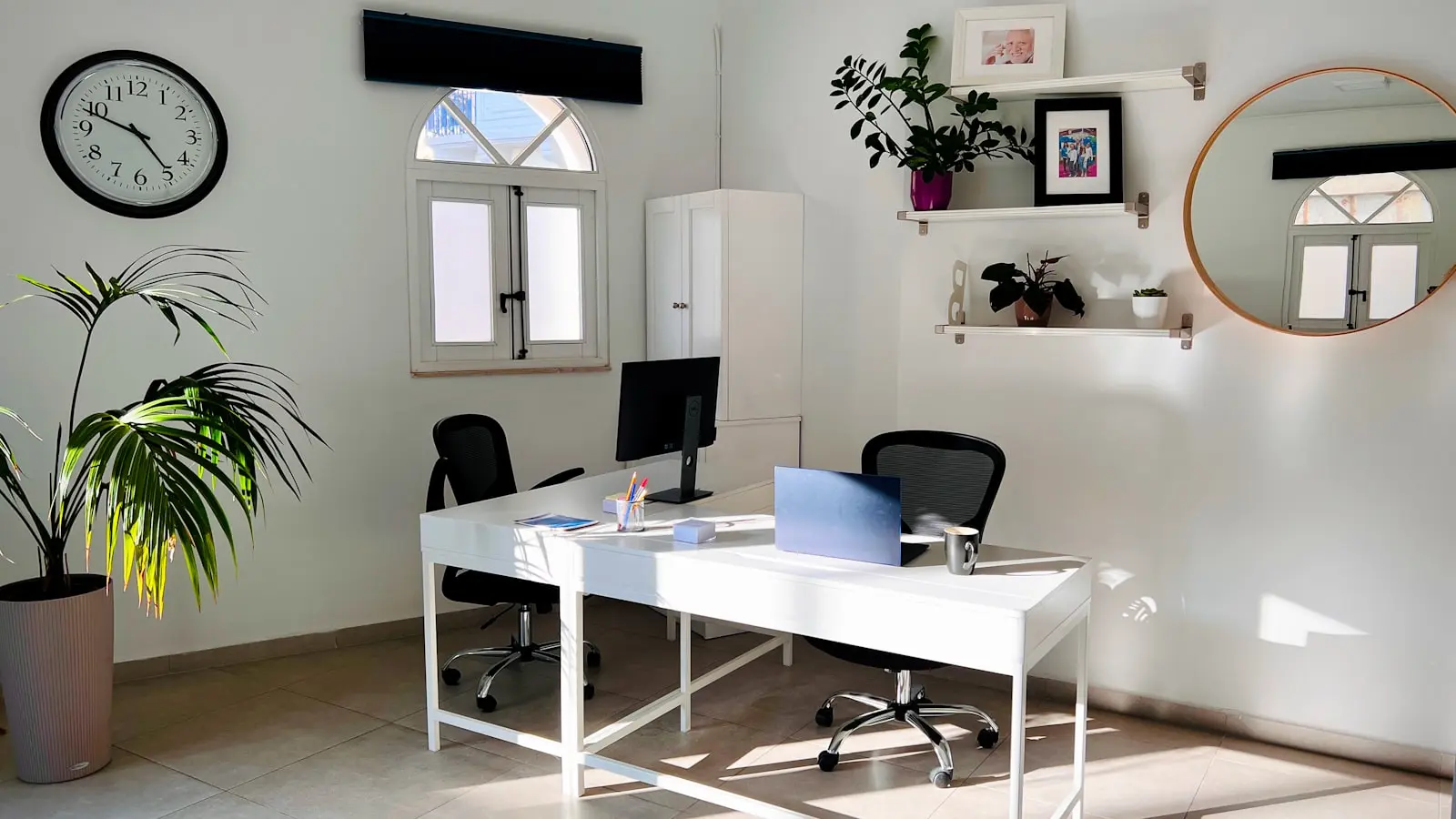

The shift toward permanent remote work has fundamentally altered the architecture of the modern home. When the kitchen table becomes a command center, the lack of distinction between production and relaxation often leads to diminished returns. (It is a slow-motion collision of domestic life and professional output.)
The Ergonomics of Endurance
Physical fatigue is not merely a byproduct of long hours; it is a direct consequence of poor environmental design. Recent data from professional productivity studies suggests that standardizing desk height can reduce user fatigue by up to 30 percent. The objective is to achieve a neutral posture where the monitor rests at eye level, forcing the cervical spine into natural alignment. A chair with dedicated lumbar support is no longer a luxury; it is a prerequisite for maintaining physiological equilibrium during high-intensity sessions. (Without this, the body effectively sabotages the mind.)
Lighting as a Cognitive Variable
Eye strain remains the silent killer of daily efficiency. Relying on a single overhead light source creates harsh shadows and promotes rapid ocular exhaustion. Workspace experts advocate for a multi-layered lighting strategy. By utilizing at least two distinct light sources, users can balance ambient luminescence with task-specific illumination, effectively stabilizing cognitive load. This approach is not about aesthetics; it is about biological regulation.
Structure Through Temporal Boundaries
Efficiency is a finite resource that degrades without structured replenishment. The 50/10 work-break cycle—fifty minutes of concentrated labor followed by a ten-minute reset—functions as a mechanical safeguard against cognitive overload. This rhythm prevents the incremental onset of burnout that typically marks the final hours of a standard day. It is a simple, rhythmic intervention that keeps the brain from stagnating. (Many ignore this, to their own detriment.)
The Necessity of Psychological Zoning
Perhaps the most elusive element of the remote work transition is the mental commute. Designers argue that the primary failure of the home office is its proximity to living areas. When the workstation is visible from the bed or the sofa, the brain never fully disengages from professional tasks. Establishing a dedicated, separable zone is paramount. The ability to physically close a door or transition out of a specific room acts as a critical psychological switch. By formalizing this boundary, individuals can delineate between the requirements of the task and the necessity of rest, reclaiming their personal time from the reach of the laptop screen.