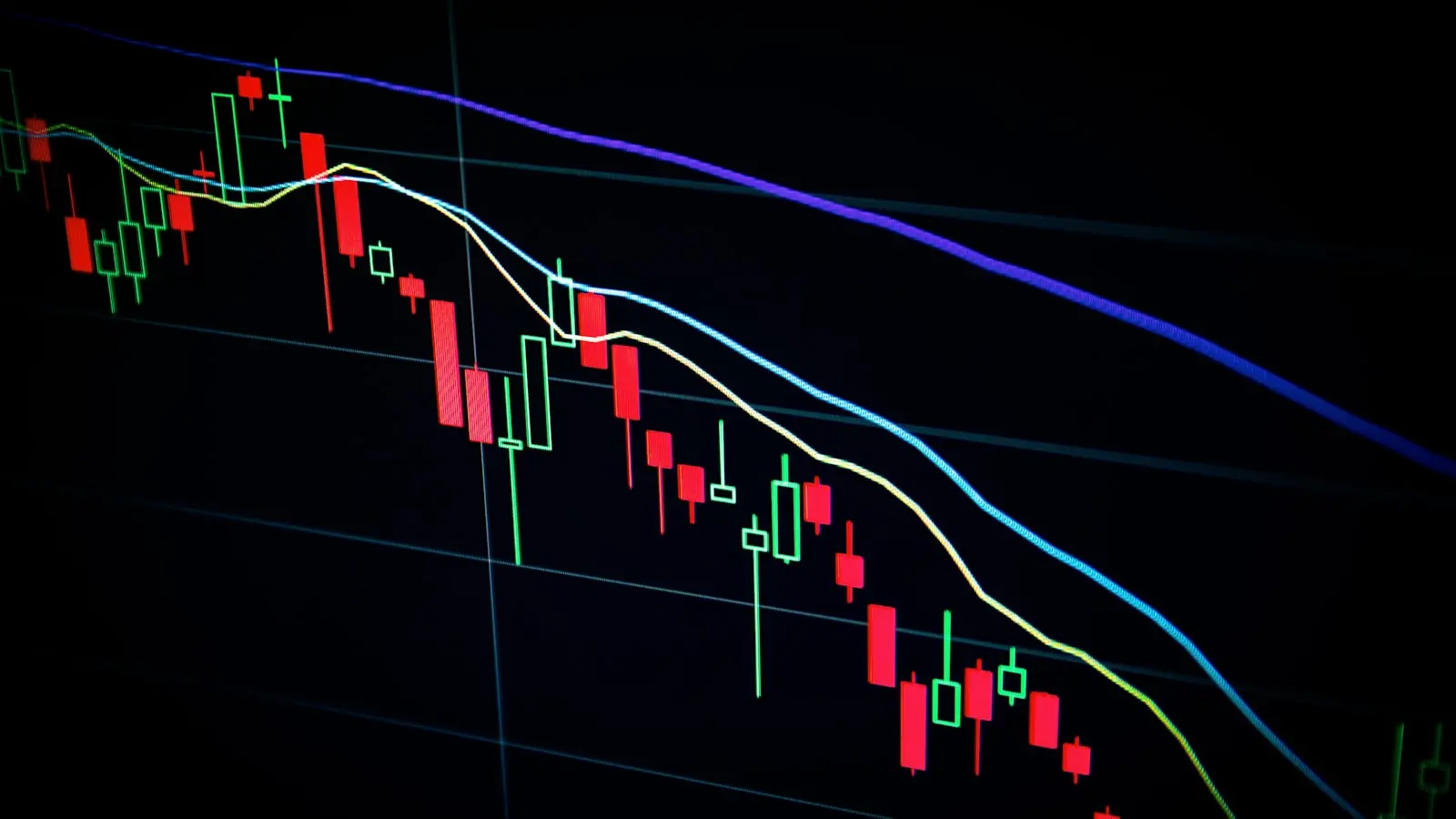

Global energy markets have crossed a critical psychological and economic threshold. Brent crude, the international benchmark, surged past $100 per barrel on March 9, 2026, a price point not seen since 2022. The driver is not a simple supply-demand imbalance orchestrated by cartels, but a hard, physical reality: the near-total cessation of tanker traffic through the Strait of Hormuz.
The escalation of the Iran-Israel-US conflict into its second week has effectively shut down the world’s most vital oil chokepoint. The immediate market reaction was severe and predictable. Oil futures jumped roughly 15% since the initial airstrikes commenced in early March. The price action signals that traders are no longer pricing in a short-term skirmish but a sustained, supply-crippling blockade that threatens to starve industrial economies of their most essential commodity.
The sequence of events illustrates a rapid unraveling of market stability. Following an initial Israeli attack in June 2025 that primed the market for volatility, the situation escalated dramatically on March 1, 2026. Oil futures surged between 7.5% and 8% in a single session, pushing US crude toward $71 a barrel and Brent to nearly $78. This was merely the prelude. As US and Israeli airstrikes targeted Iranian nuclear facilities and Iran retaliated against Gulf energy infrastructure, key dominoes began to fall. Saudi Arabia was forced to close its largest refinery. Qatar, a critical supplier of liquefied natural gas (LNG), ceased production entirely. The waterway is closed.
The Mechanism of a Global Shock
The Strait of Hormuz is not just another shipping lane; it is the arterial valve of the global energy system. Approximately 20% of the world’s total oil supply, or nearly 17 million barrels per day, navigates this narrow passage. Its closure is a catastrophic event for energy logistics. The immediate problem is physical storage and transport. The Gulf is running out of empty supertankers to load crude into. This is not a financial abstraction. It means that upstream producers, unable to ship their product, will have no choice but to curtail production. The flow of capital follows the flow of oil, and the flow has stopped.
Energy executives are now issuing stark warnings that the system is approaching a tipping point. Every day the strait remains impassable hastens the moment when production shut-ins become widespread and systemic. The deployment of US supercarriers to the region underscores the gravity of the military situation, but it does little to reassure tanker captains or their insurers. For now, the risk is simply too high. The war risk premiums for maritime insurance have skyrocketed, making passage economically unviable even for the daring. (A predictable outcome.)
This disruption is fundamentally different from previous Iran-related crises, which were often characterized by threats and limited naval skirmishes. The current conflict involves direct, sustained military action that has crippled core infrastructure. The halt in Qatari LNG production has sent a concurrent shockwave through global natural gas markets, particularly in Europe and Asia, which are heavily reliant on these supplies. The world is now facing a simultaneous squeeze on its two primary fossil fuels, a scenario with profound economic consequences.
Cascading Economic Fallout
The repricing of energy has been swift and brutal across asset classes. Equity markets retreated globally as investors digested the implications of a sustained energy shock. Airline stocks were hit particularly hard, with carriers facing the dual threat of soaring fuel costs—their single largest operating expense—and a potential drop in travel demand as economies slow. The math is brutal. For every dollar increase in the price of a barrel of oil, the global airline industry sees its costs rise by over a billion dollars annually.
Conversely, energy sector stocks surged. Producers, refiners, and service companies with operations outside the Persian Gulf saw their valuations climb as the market priced in higher revenue and profits for the foreseeable future. This bifurcation highlights the stark winners and losers of the crisis. Yet, even within the energy sector, the celebration is muted by the sheer scale of the global economic risk.
In the consumer economy, the impact is already being felt. Patrick de Haan of GasBuddy projects an immediate rise in US gasoline prices of 10 to 30 cents per gallon on average, with further increases all but certain if the conflict persists. This acts as a direct tax on consumers, crimping discretionary spending and dragging on economic growth. The inflation that central banks have struggled to contain over the past several years now faces a powerful new accelerant. Bond markets, defying the traditional safe-haven playbook, showed signs of stress. (There is no simple flight to safety here.) The fear is no longer just inflation or just recession; it is both.
The Specter of Stagflation
Economists are now openly warning of a return to stagflation—the toxic combination of stagnant economic growth and high inflation that plagued the 1970s. A sustained period of triple-digit oil prices would fuel cost-push inflation across the entire economy, from manufacturing to agriculture to transportation. Central banks would be trapped in an impossible position: raise interest rates to combat inflation and risk tipping a fragile economy into a deep recession, or hold rates steady and watch purchasing power evaporate.
This conflict lays bare the fragility of global supply chains and the geopolitical dependencies that underpin modern industrial economies. For decades, the market has operated on the assumption of ‘just-in-time’ delivery and the free, uninterrupted flow of goods. That assumption has been shattered. The current crisis is a physical problem, not a financial one that can be solved with liquidity injections or monetary policy adjustments. Until ships are moving through the Strait of Hormuz again, the global economy will continue to bleed. The market is finally pricing in the cost of a world where the free flow of energy is no longer guaranteed. It is a steep price.