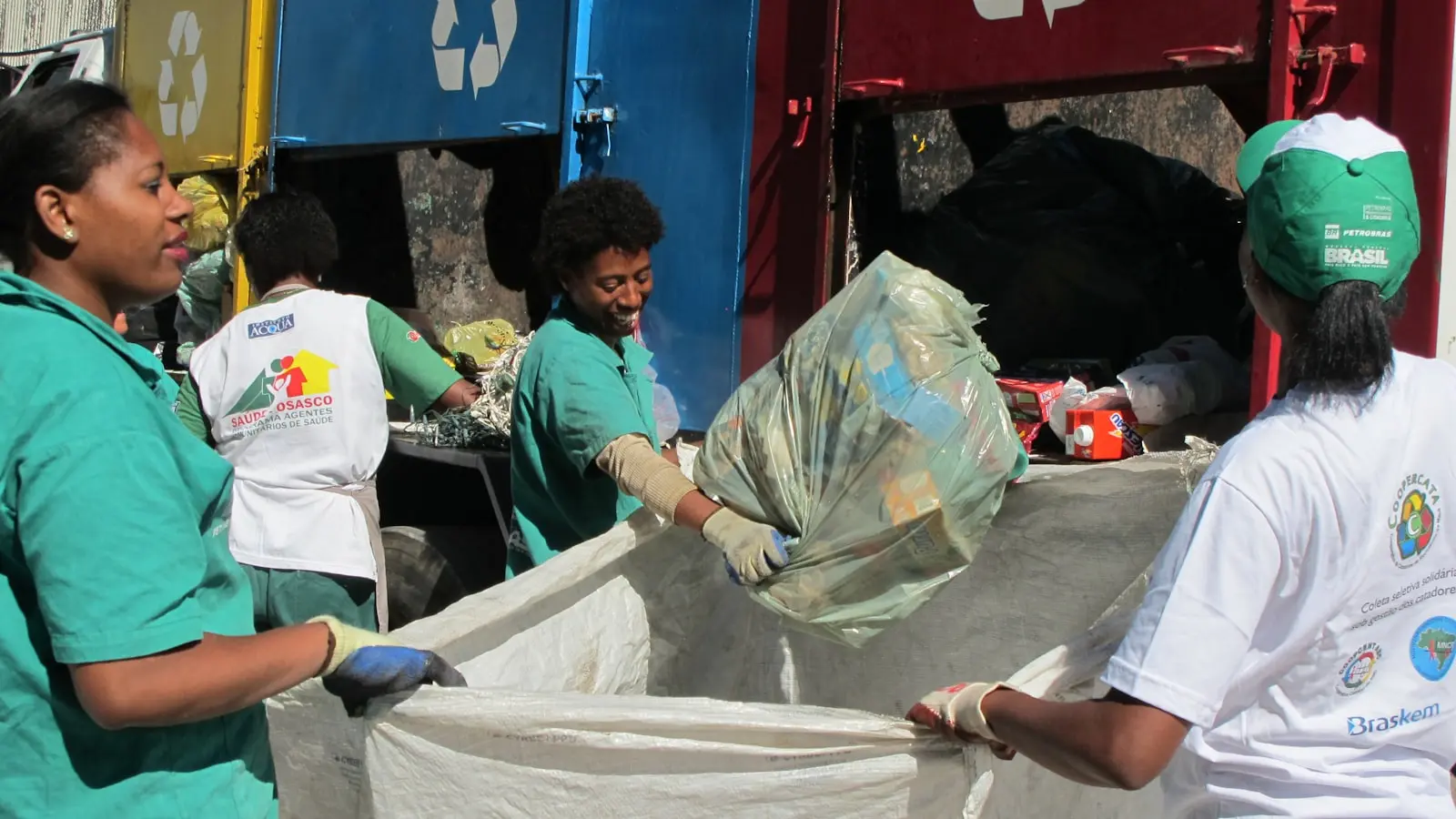

The informal waste sector represents a paradox of environmental sustainability and human vulnerability. While laborers in cities like Manshiyat Naser provide the muscle for massive recycling infrastructure, the cost is extracted directly from their physiology. When waste collection lacks the buffer of municipal regulation, it becomes a high-stakes environment where chemical exposure, pathogenic load, and biomechanical strain are constant variables. (One must wonder if the environmental benefit is worth the biological toll.)
Defining the Exposure Profile
Manual waste sorting requires direct contact with materials that industrial processes would categorize as hazardous. This includes biological waste, discarded pharmaceuticals, heavy metals, and crystalline silica. Without standardized respiratory protection, laborers are continuously exposed to particulate matter that settles deep within the alveolar spaces of the lungs. The clinical outcome is rarely immediate; rather, it manifests as chronic obstructive pulmonary disease (COPD) or restrictive lung conditions that deteriorate over years of service. Skin integrity is similarly compromised, with chronic dermatological infections occurring as a baseline reality rather than an anomaly. The lack of standardized oversight creates a vacuum where basic safety equipment is either unavailable or unaffordable for the individual laborer.
The Biomechanics of Chronic Injury
Beyond chemical exposure, the musculoskeletal toll is undeniable. Repetitive heavy lifting and static postures used to sort waste result in high rates of chronic lower back pain, disc herniation, and soft tissue damage. In environments where ergonomics are nonexistent, injuries are managed through informal methods—often ineffective and potentially harmful. These injuries do not remain local. They result in reduced work capacity, leading to long-term disability for a population that lacks the safety net of formal employment. (The cycle of injury creates a trap of poverty.)
Healthcare Access and the Structural Gap
Institutional infrastructure is largely absent in informal sectors. In developed nations, occupational health follows a prescriptive model: risk assessment, hazard control, and medical surveillance. Informal laborers are completely detached from this framework. They face a system where healthcare access is limited to emergency intervention rather than preventative care. When a respiratory issue reaches a point of acute distress, the worker is often forced to cease labor entirely. This lack of ongoing monitoring allows manageable conditions to progress into permanent, irreversible disability.
Integrating the Informal Workforce
Public health advocacy in 2024 has pivoted toward the integration of these workers into formal municipal systems. The argument is both ethical and fiscal. Formalization provides three critical mechanisms for risk mitigation:
- Industrial-Grade PPE: Providing masks, gloves, and specialized footwear that meet health standards.
- Surveillance Programs: Routine pulmonary function testing and baseline health screening to catch early indicators of disease.
- Legislative Protection: Incorporating workers into official labor records, which mandates accountability for hazardous work environments.
Integrating these individuals is not merely a bureaucratic task. It is a fundamental health intervention. If informal recycling continues to serve as the backbone of urban waste management, it must be supported by a structure that treats the worker with the same level of care as the material they are processing. Anything less is a failure of public health policy. (The system is currently failing.)
Conclusion
The path forward requires a shift in how waste management is perceived. If society relies on the manual labor of informal collectors to solve environmental issues, it must accept the responsibility of mitigating the associated clinical risks. The current status quo, where disability is treated as an inevitable outcome of employment, is unsustainable. Evidence-based integration—prioritizing respiratory health, dermatological protection, and ergonomic awareness—is the only mechanism capable of closing the gap between economic utility and human safety.