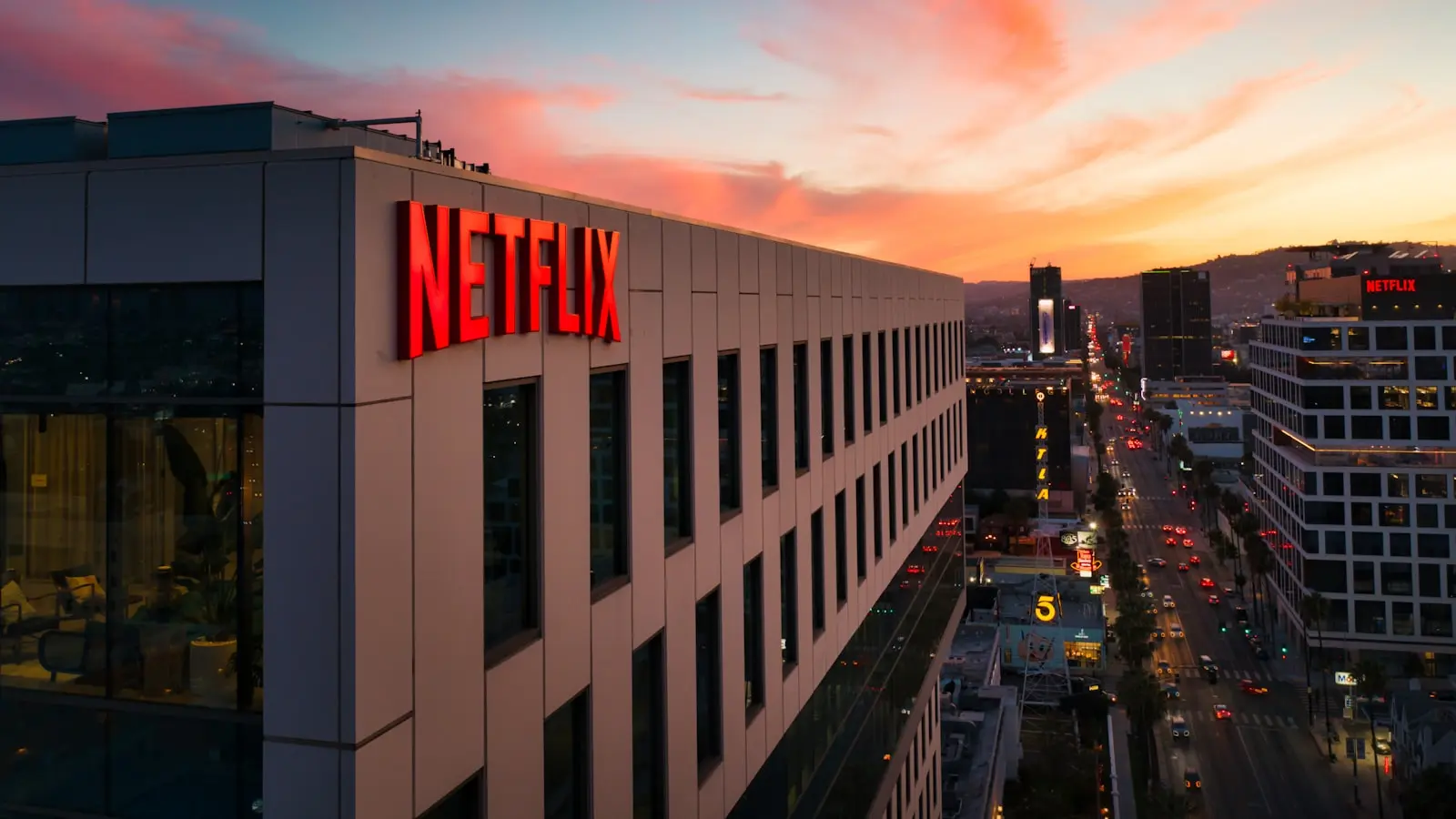

Netflix has officially exited the bidding war for Warner Bros Discovery, leaving Paramount Skydance as the sole victor in a deal that reshapes the media equity map. The streaming giant declined to match Paramount’s latest cash offer of $31 per share, signaling a calculated ceiling to its acquisition appetite. (Smart move).
The Capital Logic
The math dictated the exit. Paramount Skydance sweetened its proposal by $1 per share to hit the $31 mark, valuing the transaction significantly above Netflix’s previous $27.75 per share agreement—roughly an $82 billion valuation including debt. Crucially, Paramount agreed to shoulder the downside risk: a $7 billion reverse termination fee and coverage of the $2.8 billion penalty Warner Bros would have owed Netflix for breaking their initial accord.
For Netflix, this was a test of philosophy. Co-CEOs Ted Sarandos and Greg Peters framed the withdrawal as an exercise in balance sheet preservation. “The deal is no longer financially attractive,” they noted, categorizing the asset as a “nice to have” rather than a strategic necessity. In a market environment that currently punishes over-leverage and rewards free cash flow, Netflix viewed Warner Bros as an asset that simply cost too much to integrate.
While the media landscape obsesses over content libraries, the real story is cost of capital. Netflix chose not to engage in a bidding war that would have diluted shareholder value for the sake of owning “Harry Potter” and “Batman.” They chose liquidity. (Discipline pays).
The Regulatory Minefield
Paramount now inherits a victory that looks increasingly like a liability. The acquisition triggers an immediate, aggressive review by California Attorney General Rob Bonta, who stated the merger is “not a done deal.” When two Hollywood titans attempt to consolidate during an administration shift, the antitrust scrutiny becomes intense.
The political variables are equally volatile. Paramount is backed by tech billionaire Larry Ellison, a major Republican donor, yet the company is acquiring CNN—a network frequently targeted by former President Trump. The merger places David Ellison in the precarious position of managing a newsroom that his primary financial backers—and the political figures surrounding them—have historically antagonized. With Trump previously calling for CNN to be sold and labeling its leadership “corrupt,” the governance of this news asset will be a flashpoint.
The Physical Reality
This deal will be felt in the elevators and editing bays of Los Angeles long before it hits the balance sheets. When executives look at the combined entity, they see redundant legal teams, overlapping distribution networks, and a CNN newsroom bracing for impact. The merger brings the Food Network, HBO Max, and CBS under one roof, creating a behemoth that requires massive operational cuts to justify the purchase price.
Hollywood is already suffering from production contraction. This merger guarantees further “synergies”—corporate speak for layoffs. Paramount has bought the rights to a storied studio, but they have also bought a logistical nightmare. Netflix walks away with its discipline intact. Paramount walks away with the prize, the debt, and the regulatory fight.