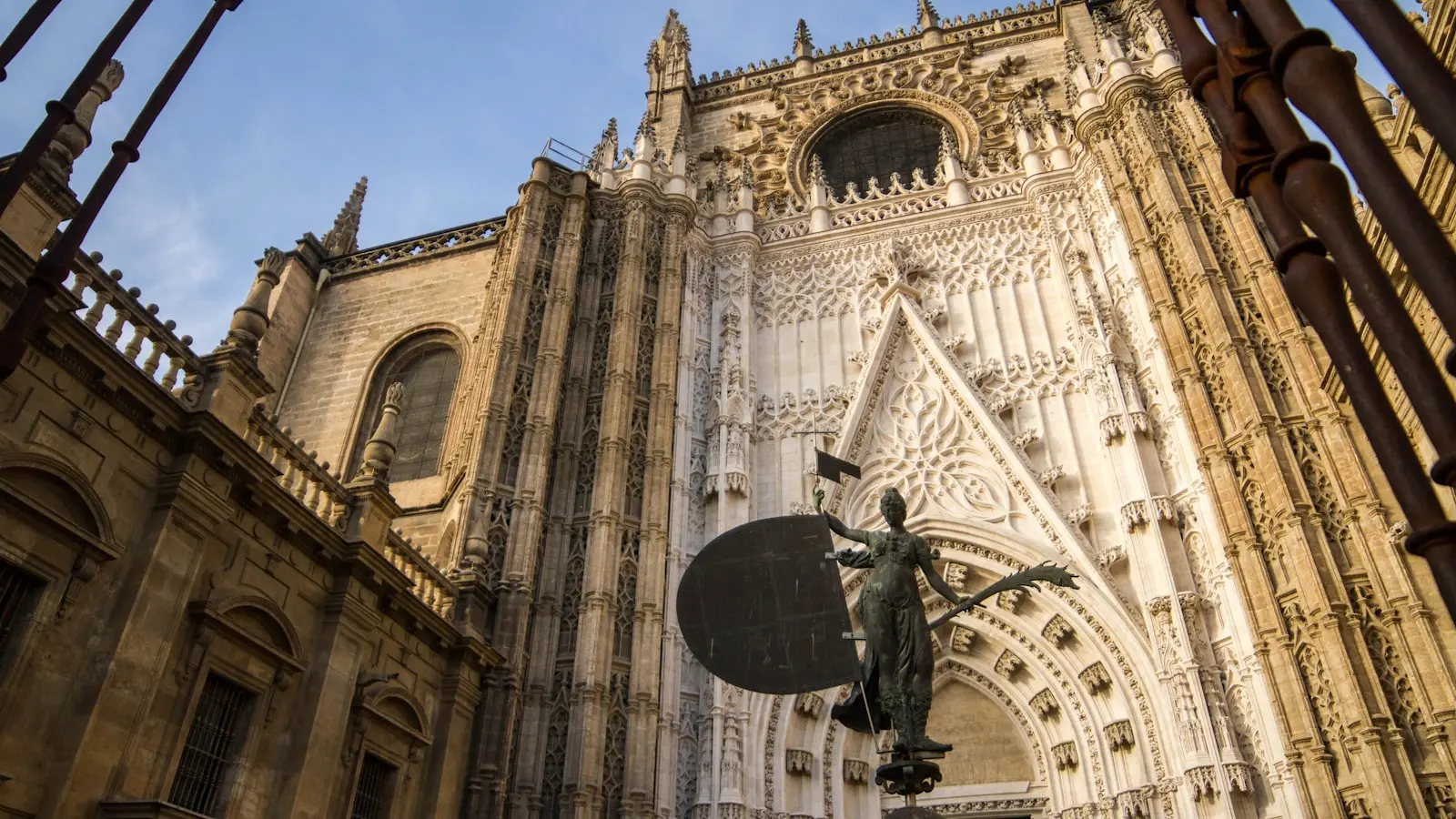

The Gravity of Tradition
Seville during the week leading up to Easter is not a destination for the casual vacationer. It is an exercise in endurance, devotion, and sensory overload. When fifty thousand participants drape themselves in ‘nazareno’ robes and hoods, the city ceases to function as a typical urban center and instead becomes a living, breathing cathedral. According to the April 2024 Andalusian Tourism Board report, the logistical strain is immense; hotel occupancy rates routinely breach 95 percent. (One wonders if the infrastructure ever truly catches its breath.) The event is defined by the procession of over 60 ‘hermandades,’ or brotherhoods, each carrying ornate ‘paso’ floats—many of which are genuine 17th-century artifacts of gold, silver, and wood. This is not theater; it is a manifestation of historical identity through public penance.
The Economics of Immersion
For the uninitiated, the price of admission is primarily one of planning. Travel analysts consistently point to an 8 to 12-month lead time as the baseline for securing reliable accommodation. While digital platforms promise last-minute availability, the reality on the ground in the narrow, labyrinthine streets of the Santa Cruz district dictates otherwise. Prices inflate to reflect the scarcity of space, effectively turning the city into a gated ecosystem for those who committed early. (A necessary barrier, perhaps, to keep the streets from becoming completely impassable.)
Sensory Thresholds
The emotional weight of the processions is the true product being consumed by the millions who crowd the curbsides. The soundscape is dominated by the ‘saetas’—sharp, mournful flamenco-style hymns sung from balconies to the figures on the passing floats. The atmosphere shifts between crushing silence and sudden, rhythmic percussion.
- The Visuals: 17th-century craftsmanship illuminated by thousands of candles.
- The Auditory: The singular, haunting vocalization of the saeta.
- The Physical: Navigating the dense, shifting crowds that define the city center.
The Cultural Shock Factor
Even for the seasoned European traveler, the raw solemnity of the event often lands as a profound cultural shock. It is an experience that defies the lighthearted leisure often associated with Mediterranean travel. Reddit communities and travel forums frequently characterize the week as ‘life-changing,’ a sentiment that likely stems from the contrast between modern convenience and ancient, unyielding ritual. The event requires a surrender of personal pace. One does not walk through Seville during these seven days; one is carried by the momentum of the crowds and the slow, deliberate pace of the brotherhoods.
Strategic Realities for the Visitor
To witness this event is to accept a lack of control. Spectators spend hours anchored to a single street corner, waiting for the flicker of a candle that signals the approach of a ‘paso.’ It is a test of patience. The reports of overcrowding are not exaggerated warnings; they are the baseline reality of the experience. Analysts note that those who approach the week with a desire for comfort or efficient sightseeing will inevitably encounter frustration. Conversely, those who treat the week as a pilgrimage into the architecture of Spanish heritage find a depth of field that few modern festivals can replicate. (Thankfully, the beauty of the craftsmanship remains unaffected by the surrounding chaos.)
The Verdict on Attendance
Seville is currently operating at the limits of its capacity. If the goal is a seamless vacation, this is the wrong week. If the goal is to witness a preservation of ritual that has outlasted empires, the logistical friction is part of the value. The city demands total participation, a willingness to be uncomfortable, and a profound respect for the history being carried on the shoulders of the brotherhoods.