
The Architecture of Transit Inequality
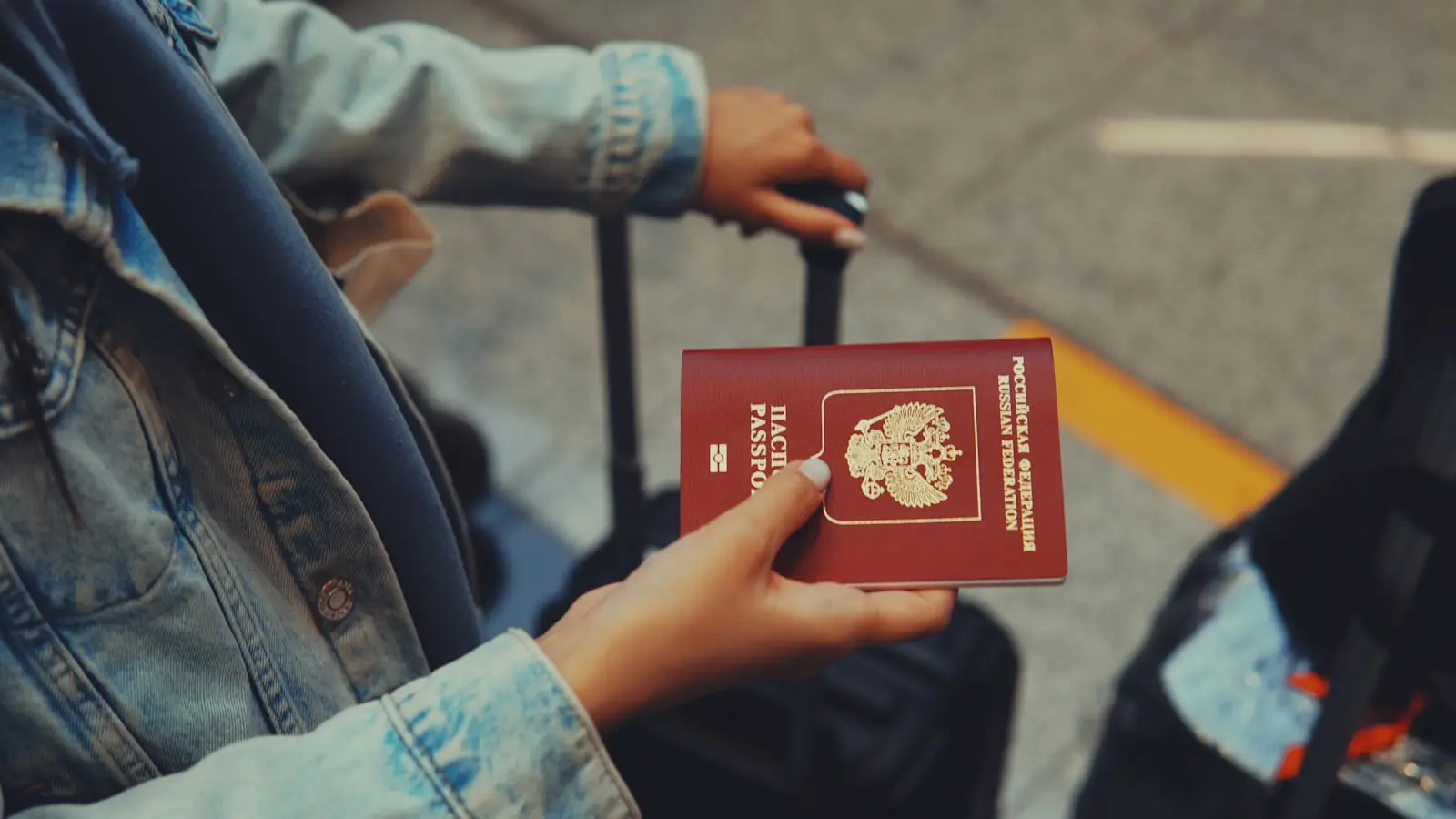
Global mobility is rarely a level playing field. While a digital nomad might glide through a customs gate with a flick of a passport, others face a wall of bureaucracy and suspicion. The Passport Index Global Analysis of December 2023 clarifies that the friction experienced at border crossings is not merely a bureaucratic accident (it is, in fact, a structural design). For non-Western passport holders, the journey from arrival hall to street level is often characterized by intrusive questioning and the constant threat of denial. The power imbalance at the border is absolute.
Quantifying the Burden of Proof
Data indicates that travelers from nations with lower visa-free mobility scores carry a heavier logistical burden. Where others present a passport, these individuals must present their entire life’s itinerary in paper form. The stakes are high. Being denied entry at a Schengen or Caucasus border gate is not just a wasted flight; it is a permanent mark on a digital travel profile. Travelers are now advised to treat the border crossing like an evidentiary audit. Hard copies of proof of funds, confirmed return tickets, and verifiable hotel bookings are no longer optional accessories—they are survival tools in an environment where agents wield high levels of discretionary authority. (Will these documents suffice if an officer decides to be difficult? Often, they are merely the starting point.)
The Reality of Discretionary Power
Border control relies on a framework of ‘visa power.’ Even when official agreements exist, the individual at the desk serves as the final, often unpredictable, arbiter of access. This system creates an environment where bias can thrive under the guise of security protocols. The experience of being treated as a suspect—a phenomenon well-documented in studies regarding global inequality in transit—is a daily reality for many. The psychological weight of this scrutiny can be immense. (Is it travel, or is it an interrogation? The line is increasingly thin.)
Strategies for Mitigating Risk
To navigate these corridors of power, the modern, mobile citizen must become an expert in localized border protocols. Strategy dictates a shift toward hyper-preparedness:
- Crowdsourced Intelligence: Joining niche nationality-specific forums allows travelers to share real-time data on which ports of entry are prone to excessive scrutiny.
- Physical Documentation: Digital copies remain inferior to hard copies in high-pressure scenarios. Organize binders as if prepping for a visa interview, not a weekend trip.
- Protocol Mapping: Research not just the national visa law, but the specific reputations of individual transit points. Some airports are notoriously more stringent than others.
The Future of Global Mobility
As border tech advances, the speed of processing will likely increase, but the intensity of the scrutiny might not follow suit. We are entering an era of digitized suspicion. For those holding passports that do not grant the freedom of easy transit, the only defense is a combination of meticulous preparation and collective knowledge sharing. The disparity in travel freedom is a reflection of deeper geopolitical rifts, and until global policy catches up to modern needs, the burden of proof remains firmly on the traveler. (One can only hope the systems eventually evolve toward transparency.)