The Alpine Motion Sickness Problem
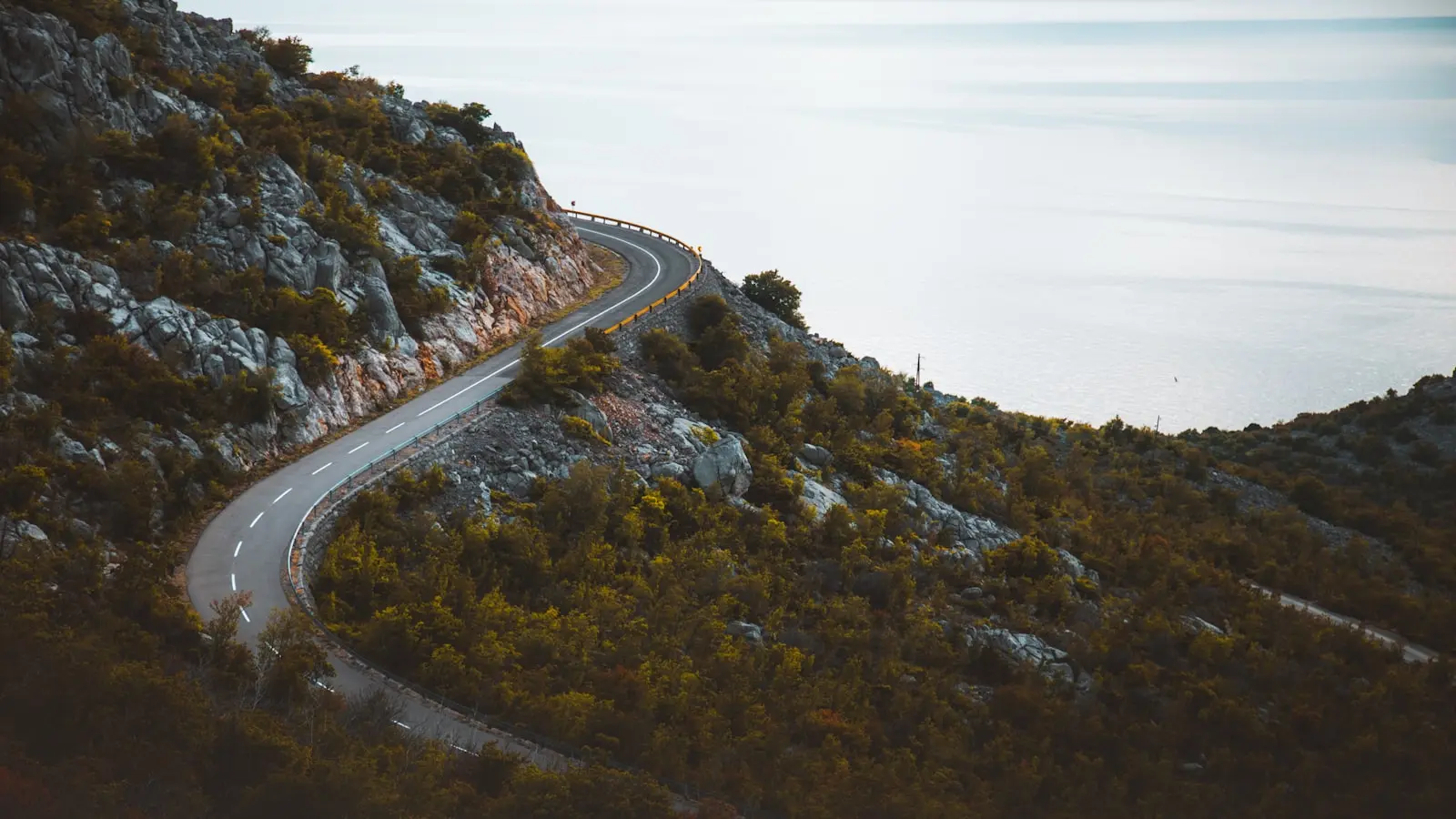
Driving through the Swiss Alps is a sensory assault. The Furka Pass alone features over 100 tight curves at high altitude. For passengers, the combination of constant turns and elevation changes creates a perfect storm for motion sickness. This is not subjective discomfort; it is a physiological conflict between visual cues and the vestibular system. The Reddit travel community frequently highlights this challenge, noting that even seasoned travelers can experience severe nausea on these routes. The Swiss mountain roads, including the Susten Pass and Grimsel Pass, subject occupants to prolonged lateral forces and vertical oscillations. A typical drive through the Alps involves continuous gear shifting and braking, amplifying the disorientation.
The Mechanism Behind the Nausea
Motion sickness arises from sensory mismatch. The inner ear detects rotation and acceleration, but if the eyes signal stillness (e.g., reading a map), the brain registers a contradiction. On alpine roads, the car’s motion is extreme, but if a passenger looks at a phone or book, the mismatch intensifies. The brain perceives this as a toxin-induced error and triggers nausea as a defense mechanism. Research published in Autonomic Neuroscience confirms that the vomiting center in the medulla oblongata becomes activated when the cerebellum receives conflicting data. The elevation changes also affect baroreflexes, adding another layer of physiological stress. Passengers who sit in the back seat face worse outcomes because visual access to the horizon is limited.
Evidence-Based Prevention Strategies
Several interventions have clinical support. Ginger, in tablet form, has demonstrated efficacy in reducing nausea symptoms. A 2014 meta-analysis in the Journal of Travel Medicine confirmed ginger is superior to placebo for motion sickness, with a number needed to treat of 4. Recommended doses range from 500 to 1000 mg taken 30 minutes before travel. Acupressure wristbands targeting the P6 point show mixed evidence but are low-risk. A 2016 Cochrane review found limited benefit, though some individuals report subjective relief. Scopolamine patches, available by prescription, block acetylcholine signals to the vomiting center. Transdermal scopolamine (1.5 mg) provides 72 hours of protection but can cause dry mouth and blurred vision. Dimenhydrinate (Dramamine) is effective but causes significant drowsiness, which may impair driving. A single dose of 50 mg reduces nausea by 60% but impairs reaction time for up to 6 hours. For drivers, this is a contraindication.
Practical Tactics for Alpine Drives
Passengers should keep their eyes on the horizon or the road ahead. Avoid reading or screen use. The car train through the Alps, such as the Furka Car Train, offers an alternative: passengers remain in their vehicles while the train traverses the mountain, reducing turning forces. Frequent stops at viewpoints allow the vestibular system to reset. (Reddit users in travel forums emphasize this point.) Some travelers prefer the front seat, where visual cues align more closely with body motion. A small snack of dry crackers or apple can settle the stomach. Avoiding heavy meals before the drive is prudent. For those prone to severe symptoms, a scopolamine patch worn behind the ear 4 hours before departure is the gold standard.
When to Seek Medical Attention
Most motion sickness resolves with cessation of the provocative motion. However, if vomiting persists beyond 4 hours or is accompanied by severe headache, vision changes, or neck stiffness, alternative diagnoses such as migraine or meningitis should be considered. Travelers with preexisting vestibular disorders should consult a physician before alpine trips. The Swiss healthcare system is excellent, but accessing a pharmacy in remote mountain villages may be challenging.
Conclusion
Motion sickness on Swiss mountain roads is manageable with the right combination of pharmacological and behavioral strategies. Evidence supports ginger, scopolamine, and strategic breaks. Drowsiness from antihistamines may be counterproductive for drivers. Plan accordingly. The Reddit community’s collective advice—focus on the horizon, avoid reading, and use ginger—aligns well with clinical recommendations. The alpine driving experience need not be marred by nausea if travelers prepare with evidence-based tools.