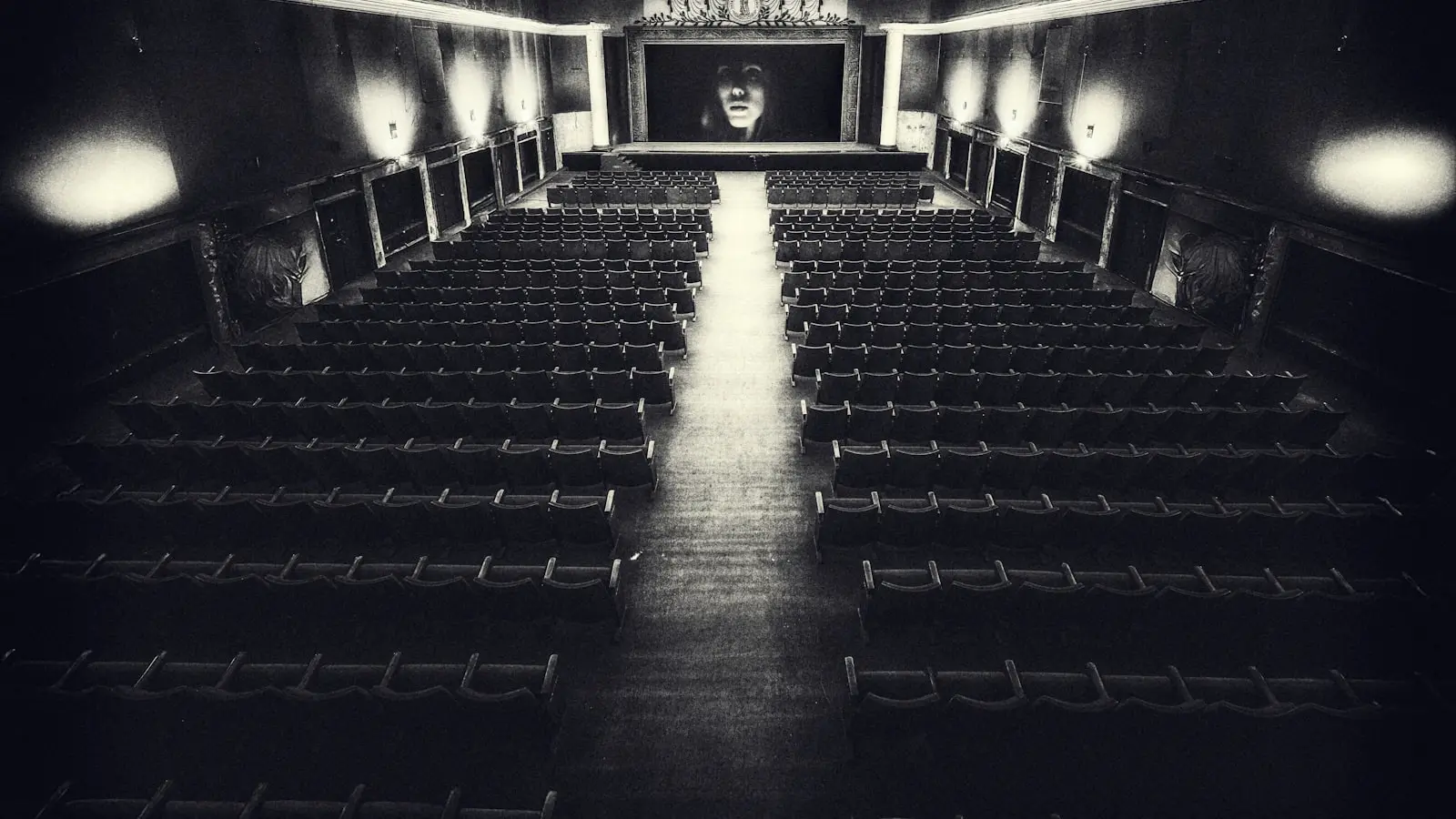

The cinematic landscape is currently undergoing a structural pivot where the opening minutes of a film serve as a stress test for the audience rather than a map for the plot. Modern blockbuster cinema has largely abandoned the tradition of the voice-over or the explanatory crawl, opting instead for cold opens that prioritize kinetic energy and sensory immersion. This shift reflects a fundamental change in how filmmakers perceive the relationship between a director and the viewer. The era of the hand-holding exposition is effectively over.
Data from industry analytics firms suggests that retention rates for titles opting for immediate narrative plunges are 14% higher than those relying on traditional setup sequences. By prioritizing visual mystery, studios are capitalizing on a shift in consumer behavior where confusion in the first ten minutes is no longer a deterrent, but a hook. It is a gamble on the audience’s patience and their desire for discovery.
The Death of the Exposition Dump
For much of the 20th century, the mandate for high-budget filmmaking was clarity. Producers feared that a lost audience was a disengaged audience. Scripts were filled with dialogue-heavy scenes designed to establish world rules, character motivations, and historical context before a single major action sequence could occur. (Frankly, these scenes often felt like homework.) Today, this methodology is viewed as an artifact of a bygone era. Modern directors operate under the assumption that the contemporary viewer is inherently media-literate. They understand genre tropes, visual cues, and the cadence of high-stakes storytelling without needing a verbal manual.
The Mechanics of Immersion
How does a film sustain interest without context? The answer lies in the strategic use of kinetic energy. By throwing the viewer into a high-stakes environment—a space station under duress, a heist in progress, or a fragmented chase scene—the narrative establishes an emotional baseline before a single plot point is explained. The environment does the heavy lifting. Lighting, sound design, and rapid-fire editing create a mood that replaces the need for exposition.
When filmmakers trust the audience to piece together the narrative context through discovery, they create a stronger emotional bond. The viewer transitions from a passive receiver of information to an active participant in the story. They are tasked with connecting the dots. If they succeed, the reward is a deeper sense of ownership over the narrative outcome.
Structural Trends in Genre Cinema
- Sci-Fi and Thriller Hegemony: These genres have pioneered the ‘immersion-first’ model by leveraging high-concept environments that naturally demand visual storytelling over verbal explanation.
- Reduced Dialogue Reliance: Silence is being used as a weapon to force the audience to look closer at the frame.
- The 10-Minute Threshold: Directors now aim to establish a complete emotional thesis within the first ten minutes, often sacrificing plot coherence for atmospheric density.
The Economic Reality of Attention
Industry insiders suggest that this move toward visual-heavy openings is as much an economic decision as it is an aesthetic one. In a streaming-dominated market where the choice to switch content is a matter of a single click, the ‘two-minute test’ is vital. If a film takes twenty minutes to build its world, the audience will likely move on to a different platform before the stakes have even been established.
By front-loading the spectacle and the mystery, studios attempt to lock in viewership before the viewer has a chance to reconsider their engagement. It is a race to capture interest. (A desperate, high-stakes race.) Whether this approach results in lasting storytelling or merely fleeting engagement remains a point of contention among critics. However, the success of recent genre hits suggests that the audience is not only capable of handling ambiguity—they are actively seeking it. The modern blockbuster is no longer interested in explaining its logic. It is interested in demanding it from the viewer.