The Economics of Convenience
The modern kitchen is no longer a sanctuary of culinary creation; it is a tactical zone of resource management. For the urban professional, the choice between a subscription-based meal kit and a trip to the local grocer has become a cold calculation of billable hours versus grocery aisles. Data from July 2024 suggests a widening delta in the cost-of-living index for those who outsource their dinner prep. Meal kits, such as those provided by HelloFresh or Factor, command a price point of $10 to $15 per serving. Conversely, a standard home-cooked meal, sourced from basic grocery inventory, anchors at $4 to $6. (The math is unforgiving.)
Time as a Commodity
Proponents of the subscription model highlight the recapture of time as the primary justification for the 200% price premium. On average, households claim to save 4 to 6 hours per week by bypassing the planning, list-making, and navigation of a physical supermarket. For individuals earning north of $75,000 annually, this time-saving is rarely a luxury; it is a retention strategy for professional sanity. The subscription box acts as a barrier against the cognitive load of decision fatigue. When the ingredients arrive at the doorstep, the friction of initiation is removed entirely.
The Hidden Cost of Packaging
There is a material cost that goes unbilled on the monthly statement. The environmental footprint of individual portion packaging—vacuum-sealed plastics, cooling gels, and cardboard liners—remains a stubborn drawback. While industry PR often speaks of reduced food waste due to precise portioning (an attempt to frame environmental guilt as an eco-conscious benefit), the volume of solid waste generated by a single box is non-trivial. Efficiency for the user often manifests as inefficiency for the municipal recycling system. (Can convenience ever be truly sustainable?)
Market Positioning and Personal Finance
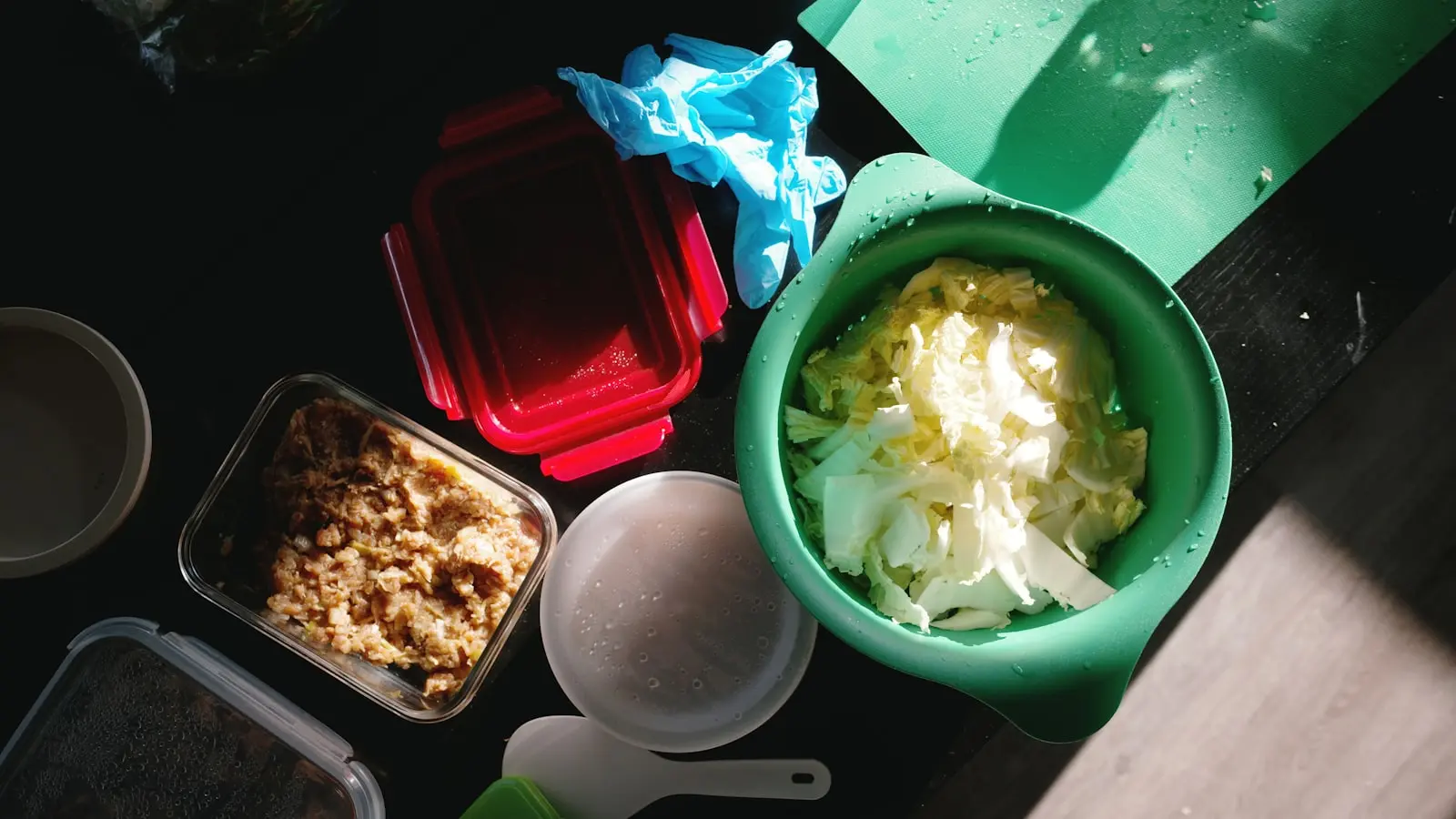
Financial strategists frequently place meal kits into the category of "conscious spending." If the alternative is not a home-cooked meal, but rather the impulsive, high-cost habit of frequent restaurant takeout, the meal kit becomes an instrument of fiscal discipline. It creates a ceiling for food expenditure. By pre-purchasing the week, the user avoids the variable costs of unplanned dining. However, critics in the nutrition space argue that this comes at the expense of agency. DIY meal prepping provides total control over macro-nutrient ratios and the specific provenance of ingredients. In a meal kit, the source is opaque, and the processing is industrial.
Strategic Summary
- Cost Disparity: Subscription kits cost approximately $10-$15 per serving; standard grocery cooking costs $4-$6.
- Time Savings: Users reclaim 4-6 hours per week on average.
- Consumer Profile: Most beneficial for high-earning professionals who value time over budget.
- Environmental Impact: High packaging waste remains the primary friction point compared to traditional bulk grocery shopping.
Ultimately, the shift from niche convenience to mainstream utility was cemented during the pandemic era, yet the fundamental question remains unchanged. If the household possesses the surplus income to subsidize its own lack of time, these kits are a logical expansion of the service economy. If the goal is long-term asset accumulation or strict dietary sovereignty, the grocery store aisle remains the superior, if labor-intensive, architecture for success.