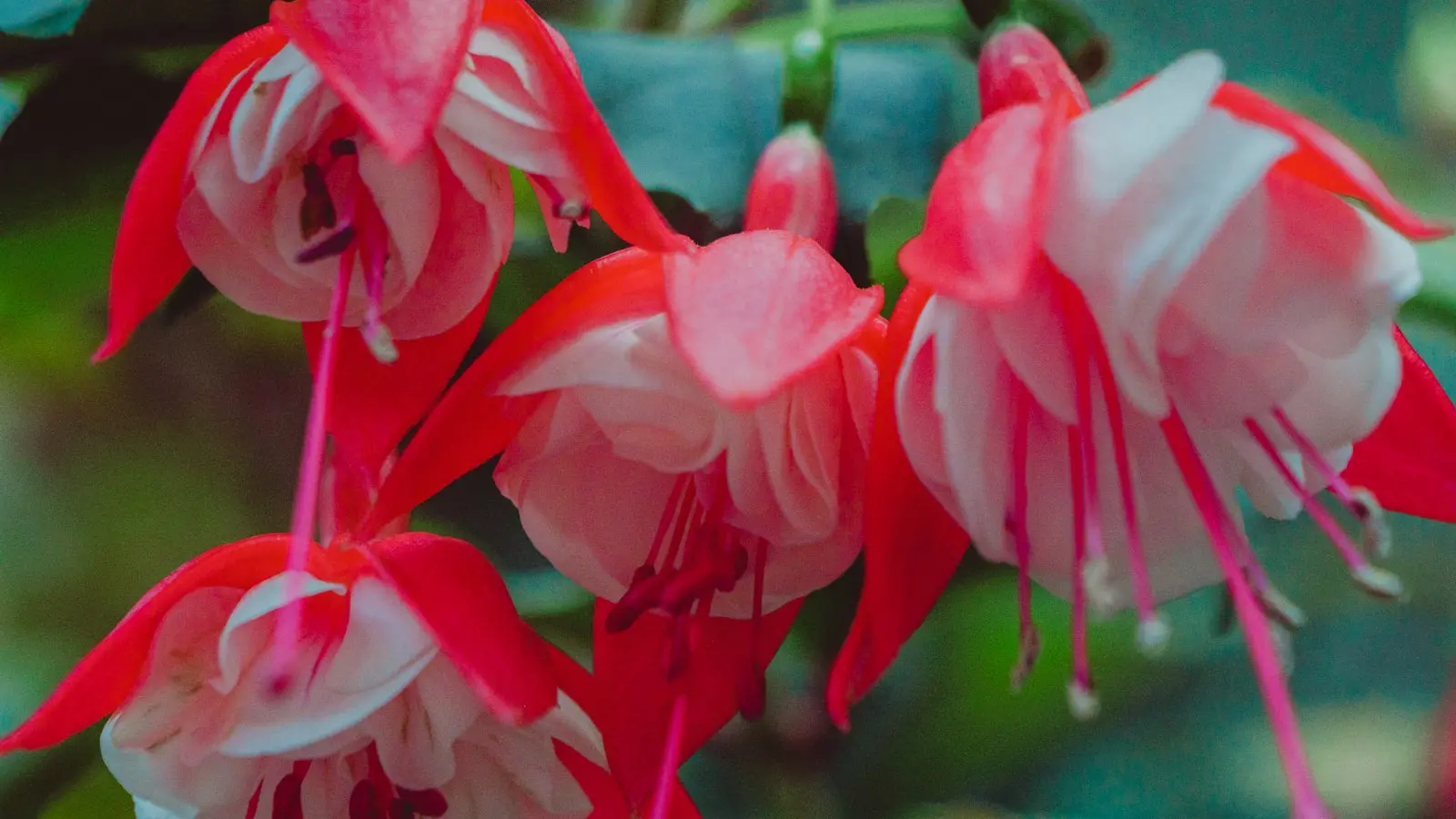

The Botanical Crucible of the Pacific
High above the coast of Maui, tucked into the verdant folds of the windward slopes, the Garden of Eden Arboretum operates as a living laboratory. Unlike the vast, homogenized landscapes of commercial agriculture, this environment functions through a dense, vertical layering of tropical flora that challenges conventional growth models. Within these hectares, researchers observe a rare concentration of Bromeliads and Heliconia, often called Parrot Flowers, which have adapted to the island’s extreme humidity and nutrient-rich volcanic substrates. (Is this the blueprint for future restoration?) The results from the 2024 Botanical Research Journal indicate that these plants do not merely exist; they accelerate, cycling through life stages at a velocity rarely seen in temperate climate research.
Deciphering the Volcanic Advantage
Why does the soil composition here matter? Volcanic earth is effectively a mineral time-release capsule. As these islands continue their slow geological evolution, the breakdown of basaltic rock provides a constant influx of magnesium, iron, and potassium to the root zones. This chemical complexity, combined with high-altitude moisture trapping, creates a micro-climate where adaptation is forced, not gradual. Scientists documenting this process note that the Garden of Eden acts as an unintended sentinel for island-wide ecological health. By studying how these species integrate both endemic and introduced varieties, botanists are gaining a clearer picture of how tropical systems respond to rapid environmental shifts.
The Genetic Insurance Policy
Beyond aesthetics, the arboretum serves as a critical genetic repository. Hawaii is a textbook case of evolutionary isolation, where species have diverged into unique lineages over millions of years. However, this isolation also creates a fragility that leaves native flora susceptible to invasive competitors. By maintaining a curated landscape, the garden functions as a defensive hedge against extinction.
- Resource Management: Utilizing volcanic minerals for high-yield, climate-resilient agriculture.
- Species Preservation: Tracking the genetic drift of rare Heliconia varieties.
- Education: Serving as a primary field site for tropical biology students.
Lessons for Climate Resilient Agriculture
Can these findings translate to broader agricultural practices? The current research suggests that the rapid growth cycles observed at this site offer insights into potential soil remediation strategies. If modern, depleted soils can be augmented to mimic the mineral density of volcanic zones, the need for synthetic nitrogen fertilizers could drop significantly. (A daunting prospect for industrial supply chains.) By analyzing the symbiosis between native soil fungi and these tropical perennials, researchers are identifying pathways to build more durable crops that require fewer inputs. It is a slow, methodical process, but one that gains urgency as global agricultural regions face increasing heat stress.
Sustaining the Botanical Record
Environmental biologists increasingly view managed gardens as essential infrastructure rather than simple public parks. The Garden of Eden represents a bridge between conservation and utility, providing a space where human interaction with nature does not mean the degradation of the ecosystem. The data suggests that public awareness of these fragile island ecosystems is currently at an all-time high, spurred by the visible impacts of climate change on local landscapes.
If the goal of science is to measure reality to better predict the future, then the work performed in these Maui gardens is vital. By cataloging the survival strategies of species that exist on the razor’s edge of their own climate tolerances, we gather the necessary intelligence to protect other threatened environments. It is not just about keeping plants alive; it is about learning how a complex system maintains equilibrium under pressure. As climate models shift, the lessons harvested from the volcanic soil of Maui will likely form the foundation of our strategy for preserving global botanical diversity.