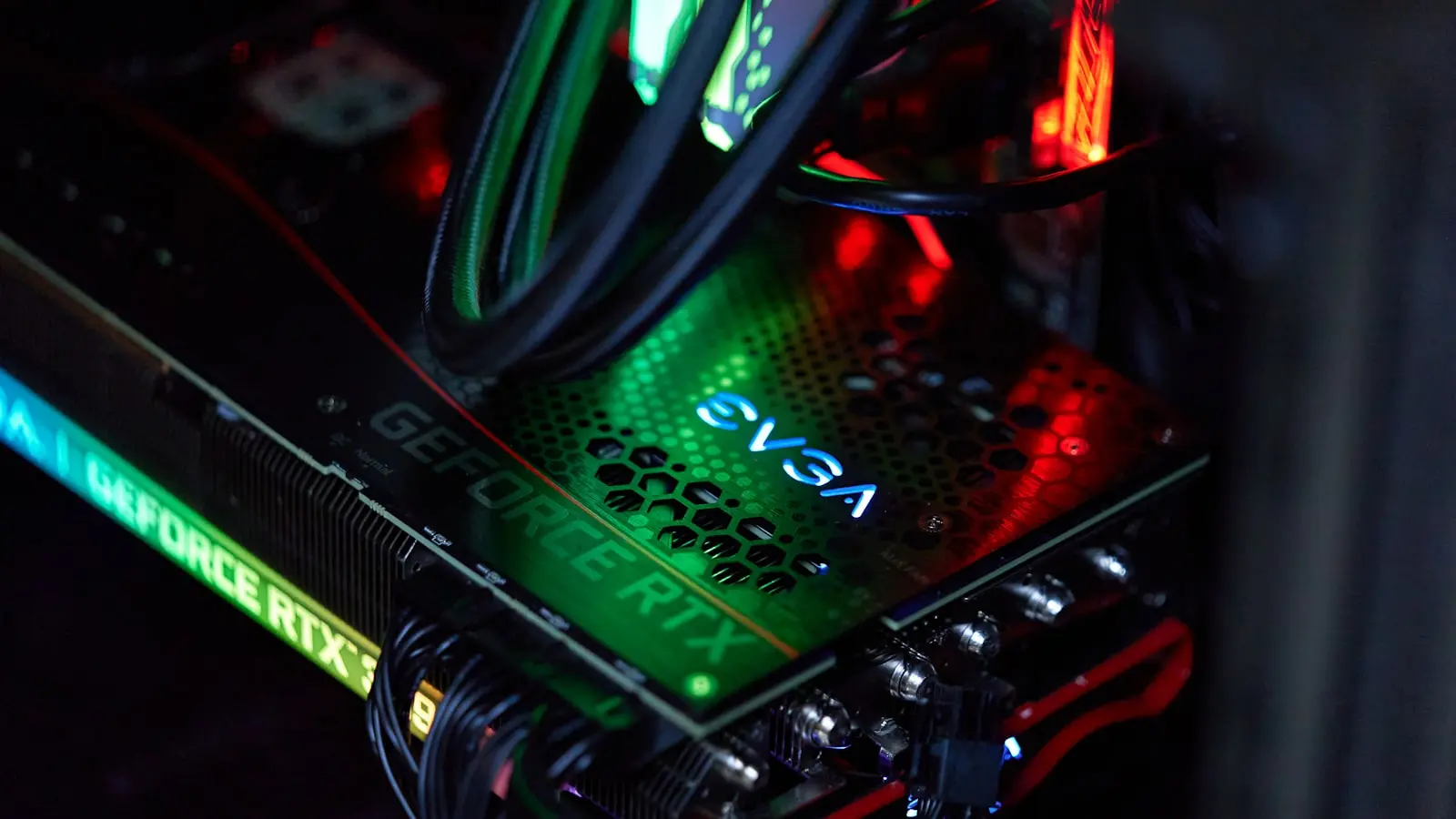

The numbers flashed across the terminals in Tokyo and Singapore, green and precise, yet the trading floors remained suspiciously quiet. Nvidia, the engine room of the last five years of equity growth, delivered exactly what the spreadsheet demanded. Revenue beat estimates. Guidance exceeded targets. By every traditional metric, the print was a success.
But the stock did not move.
Investors stared at flat after-hours charts, realizing that the game has changed. For 14 consecutive quarters, beating the consensus was enough to trigger a buying frenzy. That era ended on Wednesday. The market response—a collective shrug followed by a 0.3% dip in Nasdaq futures—signals a shift in capital logic. We have moved from the deployment phase to the monetization phase. The question is no longer whether Big Tech will buy the chips. The question is whether they can sell the resulting intelligence for a profit.
The CapEx Cliff
When engineers walk through data centers in 2026, they do not just see server racks; they see capital incineration machines. The power draw is immense. The cooling costs are staggering. Nvidia’s forecast confirms that the spending from hyperscalers remains unabated. The hardware is being purchased. But the equity markets are forward-looking discounting mechanisms. They are currently discounting a future where the return on invested capital (ROIC) for AI infrastructure fails to materialize.
Richard Clode of Janus Henderson Investors framed the anxiety with surgical precision. The debate has shifted from near-term beats to the “sustainability of AI capex spending.” Investors are looking at cashflow degradation. (Finally, someone is checking the receipts). When a company spends $50 billion on infrastructure, the market eventually demands $51 billion in efficiency gains or new revenue. Currently, the revenue models for generative AI are struggling to keep pace with the hardware costs.
This disconnection creates a ceiling. If Nvidia cannot rally on a beat, the broader tech sector faces a valuation problem. S&P 500 futures slipped 0.2%, and Eurostoxx 50 futures dropped 0.2%. The message is clear: Perfection is now priced in. Anything less than a paradigm shift is a disappointment.
The Yen’s Political Discount
While the tech sector grapples with valuation compression, the currency markets are wrestling with political intervention. The Japanese Yen has been pinned near a two-week low, trading at 155.88 per dollar. This is not a function of organic economic data. It is a function of personnel.
The Japanese government, led by Prime Minister Sanae Takaichi, has nominated two academics to the Bank of Japan’s board. The market interprets these nominations as a direct signal: The government wants easy money. They want stimulus. (Inflation be damned, apparently). This political maneuvering throws the Bank of Japan’s normalization path into chaos.
Markets despise ambiguity. The Yen had begun to function as an investment currency, assuming a steady path of rate hikes. Now, it risks reverting to a funding currency—cheap liquidity used to buy assets elsewhere. BOJ board member Hajime Takata attempted to stabilize the narrative on Thursday, calling for “gradual interest rate hikes,” and Governor Kazuo Ueda left the door ajar for near-term action. But the damage to sentiment is done.
Strategists at OCBC note that dovish nominees reignite concerns that the central bank will lag behind the curve. They project the USD/JPY pair to hit 149 by the end of 2026. This is a conservative estimate. If the BOJ is politically handcuffed by the Takaichi administration, the spread between US Treasuries and Japanese Government Bonds (JGBs) will widen, exerting further downward pressure on the Yen.
The Divergence in Asia
The reaction across Asian equity markets reflects a fractured landscape. There is no single “Asia trade” right now. There are only pockets of specific exposure.
The Nikkei rose 0.15%, buoyed by the weak Yen which aids exporters, while South Korea’s KOSPI jumped 3%. Why the disparity? The KOSPI is heavily weighted toward memory chip manufacturers who are secondary beneficiaries of the AI boom, trading at lower multiples than the primary logic chip designers. Capital is rotating from the expensive front-runners to the cheaper supply chain partners. Value investing is not dead; it just moved to Seoul.
Conversely, Hong Kong’s Hang Seng Index dropped 0.76%. Chinese equities remain under pressure from structural economic deceleration and a lack of aggressive fiscal stimulus. The CSI300 eased 0.2%. The capital flows in Asia are becoming increasingly selective. Investors are stripping out the index-hugging strategies and picking specific winners based on currency advantage and valuation support.
Geopolitics and the Safe Haven Bid
The backdrop to this financial recalibration is a physical world that looks increasingly combustible. Oil prices are climbing. Brent crude sits at $71.05 a barrel, not because demand is surging, but because supply is threatened. The United States and Iran are scheduled for a third round of talks in Geneva on Thursday. The objective is to resolve a nuclear dispute and prevent further US military strikes following a buildup of forces.
Diplomacy is slow. Markets are fast. Traders are pricing in a risk premium on energy. If the talks in Geneva stall, the $71 handle on Brent will look cheap. The energy market is tight. Any disruption in the Strait of Hormuz transforms a logistical headache into a global inflation shock.
This anxiety is most visible in the precious metals market. Spot gold has reached $5,197.08 an ounce. (Read that number again). This is not just a hedge against inflation; it is a vote of no confidence in fiat stability and geopolitical order. When gold trades at these levels, it signals that large sovereign actors are diversifying their reserves away from the dollar and the euro. It is a defensive crouch.
The Discipline of Valuation
Charu Chanana, chief investment strategist at Saxo, described the market reaction to Nvidia as “relief.” This is the correct word. The market was terrified of a miss. A miss would have triggered a liquidation event. A beat allows the status quo to continue, but it does not fuel the next leg of the rally.
The “relief” is temporary. The structural issues remain. Valuations in the semiconductor ecosystem are stretched to breaking points. The disruption risks—competitors designing their own chips, software efficiencies reducing hardware needs—are becoming visible on the horizon. The “AI trade” is no longer a monolith. It is breaking into winners, losers, and bag-holders.
Investors must look past the headline numbers. A revenue beat in a vacuum is meaningless if the capital expenditure required to achieve it destroys the margin structure of the entire tech industry. The Yen’s volatility offers opportunities for currency arbitrage, but only for those who understand the political dynamics in Tokyo.
The easy money has been made. The momentum trade is fading. What remains is a market that rewards rigorous analysis of cash flows and geopolitical reality. The screen may be displaying green numbers, but the smart money is already hedging for the red.