Sports travel fatigue is managed primarily through planning, not a single recovery treatment. Effective teams protect sleep, reduce logistical friction, organise meals and fluids, create chances to move during transit, and adjust training to reflect the real cost of the trip.
Travel can contribute to an uneven away performance, but it is rarely the complete explanation. Opponent quality, tactics, injuries, venue conditions and normal performance variation still matter. Travel is one performance variable among many.
Key Takeaways
- Sports travel fatigue includes disrupted sleep, long periods seated, irregular meals, hydration challenges and schedule stress; it can occur without crossing time zones.
- Jet lag is a separate circadian-timing problem that follows travel across time zones and can compound general travel fatigue.
- The most reliable recovery priorities are itinerary design, sleep opportunity, food and fluid access, movement, and sensible training-load adjustments.
- Late-night games, early departures and short turnarounds can increase the recovery burden even on domestic trips.
- Wearables, compression and cold-based recovery tools may have a role, but they cannot replace a well-planned trip.
Travel fatigue is not the same as athlete jet lag
Sports travel fatigue is the combined physical and mental load of getting from one competition site to another. It can include shortened or fragmented sleep, early departures, late arrivals, prolonged sitting, limited movement, irregular meals, altered routines, cramped conditions and the stress of a tightly timed itinerary.
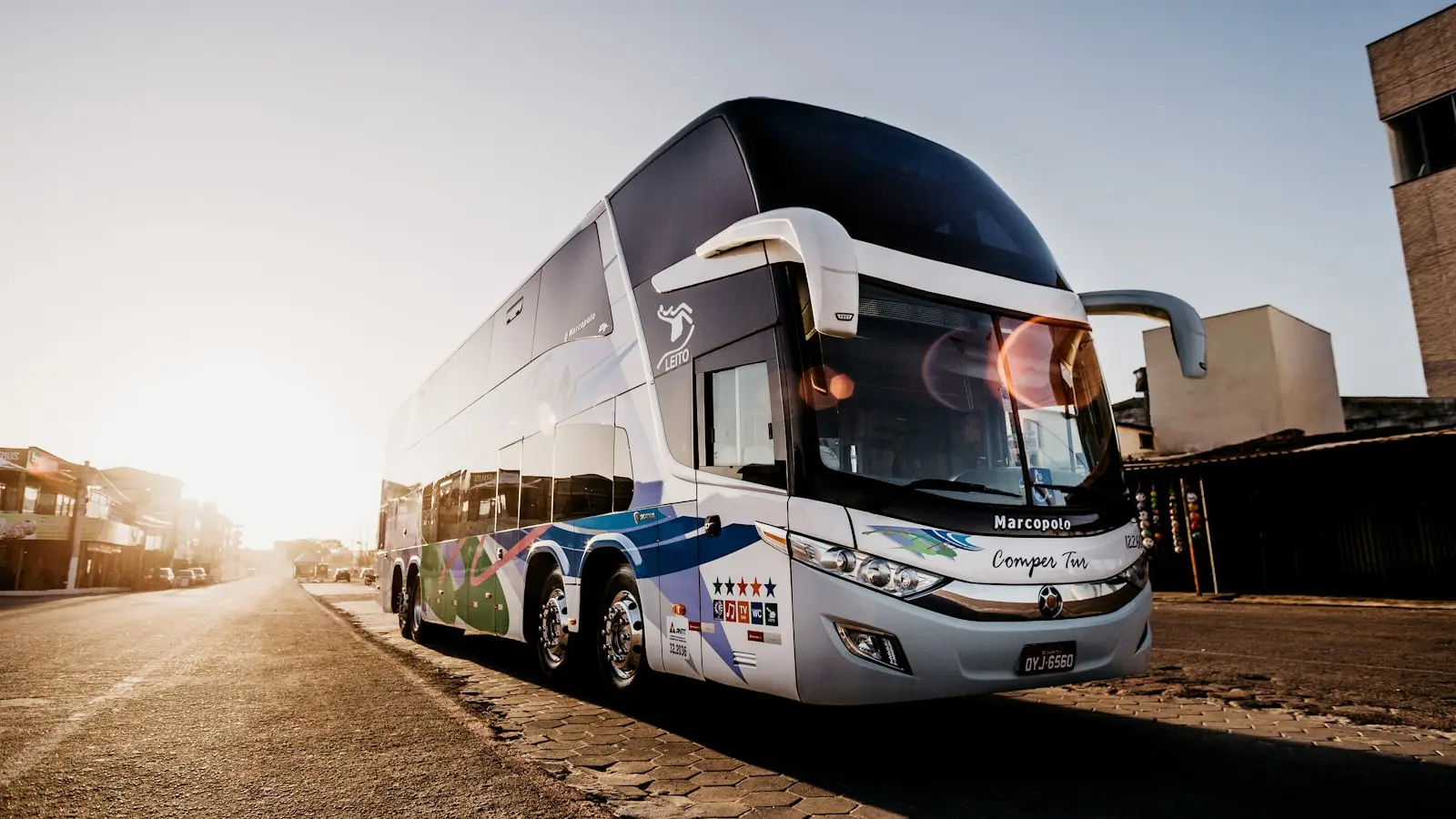
That is why a long bus or van trip can affect athletes even when no time zones are crossed. Players may arrive stiff, hungry, unable to follow their normal sleep routine, or mentally drained by traffic, waiting and schedule changes. When those trips repeat through a season, the burden can accumulate.
Athlete jet lag is narrower. It describes circadian misalignment after crossing time zones, when the body clock does not yet match the local schedule. Sleep timing, alertness, appetite and gastrointestinal comfort may all be affected while the athlete adjusts.
The two often overlap on long-haul trips, but they are not interchangeable. A delayed domestic flight can create substantial travel fatigue without jet lag. A well-organised international journey can reduce some transit stress while still leaving a team with a time-zone adjustment challenge.
Eastward travel can be harder for some athletes because it generally requires shifting the body clock earlier rather than later. However, no universal adjustment timetable works for every team. The practical effect depends on the route, number of time zones crossed, arrival time, local game time, individual sleep habits and available recovery time.
Compressed turnarounds raise the overall load. A late match followed by media duties, airport transfers and an early departure can reduce sleep opportunity before the next training session begins. The challenge is not simply the flight or bus ride; it is the sequence of demands surrounding it.
How travel can affect team travel performance
Travel may affect readiness factors that matter in competition, including alertness, perceived effort, mood, reaction to tactical information, recovery quality and gastrointestinal comfort. It can also make a standard training session feel harder than expected. These are possible effects, not proof that a team will lose or that an athlete will be injured.
The operational chain is often straightforward. A late game, delayed arrival or early departure reduces the time available for sleep. Reduced sleep opportunity can make the next day harder to organise, limit recovery behaviours and leave players less prepared for a demanding session or match.
The effect varies within the same squad. A player who logged heavy minutes, has an injury concern, struggles to sleep in unfamiliar rooms or has recently completed several trips may need a different response from a reserve who played briefly and usually adapts well to travel.
Position and sport demands matter as well. Athletes may share the same itinerary but face different physical and decision-making demands in competition. Teams benefit more from identifying who carries the greatest combined load than from applying exactly the same recovery response to every player.
What fans should not assume:
- A road loss does not prove travel was decisive.
- A low sleep-tracker score is context, not a diagnosis or a verdict on effort.
- A recovery product cannot compensate for poor scheduling, missed meals and fragmented sleep.
A competition recovery routine from departure to game day
A useful competition recovery routine starts before the team boards the bus or plane. The goal is not to remove every disruption. It is to prevent predictable travel stress from being added to an already demanding training and competition schedule.
The day before travel: protect the baseline. Teams should prioritise a normal, realistic sleep opportunity rather than rely on last-minute attempts to compensate for lost sleep. Staff can also confirm departure times, room assignments, food access, baggage plans and contingency options. Reducing uncertainty helps preserve attention and energy on travel days.
Training should reflect the following day’s travel load. This does not require abandoning tactical preparation whenever a trip is scheduled. It means keeping essential tactical work while avoiding unnecessary volume or physically costly drills that offer little benefit immediately before a long journey.
During transit: reduce the travel load. Familiar, tolerable meals and snacks are usually more useful than leaving athletes dependent on whatever food is available at an airport or roadside stop. A team does not need an elaborate nutrition operation; it needs a practical plan for timing, access and individual dietary needs.
Fluid access matters, especially when travel occurs in warm conditions or around exercise. Rigid universal drinking targets are less useful than making fluids readily available and encouraging athletes to follow practical habits suited to their individual needs and any medical guidance.
Long sitting periods are another controllable factor. Where safe and practical, teams can schedule stops, short walks and basic mobility work. The purpose is not to turn transit into a workout. It is to break up immobility, reduce discomfort and help athletes arrive ready for a brief activation rather than a rescue session.
Seating, clothing and baggage arrangements can appear minor, but they reduce friction across a group. Easy access to essentials, room to move when possible and fewer equipment problems all preserve energy that is often wasted on travel days.
After arrival: return to the local routine. The first priority is shifting from transit mode into a predictable destination schedule. Meals, sleep and the next training activity should follow local time as far as the itinerary allows.
For trips across time zones, daylight exposure and evening light management can be part of a circadian plan. Timing depends on travel direction, destination and arrival schedule, so a generic routine is not enough. Teams that travel internationally often should seek qualified medical and performance input rather than copy a plan built for another route or sport.
The first post-arrival session should usually be short, familiar and proportional to the journey. It can help athletes loosen up, inspect the environment and rehearse key details. It should not become a hard conditioning session simply because staff want the trip to feel productive.
Game day: protect readiness, not perfection. A predictable pre-game meal, warm-up and communication routine gives athletes a stable reference point in an unfamiliar setting. Brief check-ins on sleep, soreness, illness symptoms and perceived fatigue can inform reasonable adjustments to warm-up, workload or post-game recovery plans.
Avoid overcorrecting. Excess caffeine, a harsh activation session or an unfamiliar treatment immediately before competition can create a new problem while trying to solve an old one. The strongest game-day plan is usually the most reliable version of the team’s normal match routine.
Which recovery tools are useful, optional or overhyped?
The highest-priority tools are not glamorous: itinerary design, sleep opportunity, sensible food access, hydration planning, movement and training-load adjustment. These address the main causes of sports travel fatigue instead of merely trying to mask its consequences.
Sleep diaries, short wellness check-ins and wearables can help teams spot patterns across repeated trips. They may reveal that a particular departure time repeatedly reduces sleep opportunity or that a player struggles after late arrivals. However, consumer metrics are not precise measures of recovery and should not replace observation, conversation or clinical judgment.
Compression garments may improve comfort for some travellers during long periods of sitting. Evidence for direct performance gains or a universal recovery benefit is mixed, so they are best treated as an optional comfort measure rather than a match-changing intervention.
Cold exposure, recovery boots and similar modalities may fit an established programme for selected athletes. Their value depends on timing, the athlete’s condition and the wider training goal. They should not displace sleep, nutrition, movement or appropriate load management.
Supplements, sleep medicines and stimulant strategies need particular caution. Individual health factors, possible interactions and anti-doping requirements can all matter. Blanket recommendations are especially unhelpful when the underlying issue is an avoidable scheduling failure.
What lower-budget and amateur teams can copy cheaply
Amateur teams may not be able to charter flights or employ recovery staff, but they can copy the most useful parts of professional travel management at little cost. Start with a written road-trip checklist covering departure time, sleep plans, travel meals, refillable bottles, safe movement stops, lodging details, arrival plans and game-day timing.
For long bus or van trips, schedule stops that let athletes walk, use the restroom and eat familiar food. Avoid itineraries that force players to rush from work, skip meals and sit for hours before an evening match when a modest timing change could prevent it.
Coaches can also remove avoidable demands around travel. Long meetings, nonessential appearances and high-volume training are often easier to cut than the journey itself. Concise tactical preparation is usually more valuable than adding fatigue for the sake of routine.
A simple trip log improves future decisions. Record route length, departure and arrival times, sleep opportunity, game time, perceived fatigue and practical lessons from the trip. After several away games, patterns become clearer: which venues require an earlier departure, which meal plans fail and which travel days need lighter training.
When budget permits an earlier arrival, decide based on the route rather than habit. Consider travel duration, time zones crossed, travel direction, competition timing, the turnaround before the next event and whether the team can actually sleep and eat normally after arrival. Early arrival matters most when it creates meaningful recovery time, not merely another night in a hotel.
FAQs
What is the difference between sports travel fatigue and jet lag?
Sports travel fatigue is the broader strain created by the journey, including disrupted sleep, prolonged sitting, altered meals, fluid-access challenges and schedule stress. Jet lag is circadian misalignment after crossing time zones. A team can experience travel fatigue on a long domestic bus trip without jet lag.
How soon should a team arrive before an away game in another time zone?
There is no single arrival rule for every trip. Teams should weigh travel direction, time zones crossed, local game time, journey length, athlete needs and the next fixture. Earlier arrival is most useful when it creates enough time for local sleep, meals and a proportionate orientation session.
Do compression boots, cold plunges or sleep trackers improve away-game recovery?
They may be useful additions for selected athletes, but their benefits are less certain than the basics. A sound away-game recovery plan starts with itinerary design, sleep opportunity, food and fluid access, movement and adjusted training load. Monitoring devices can reveal patterns, while recovery products should remain secondary to planning.