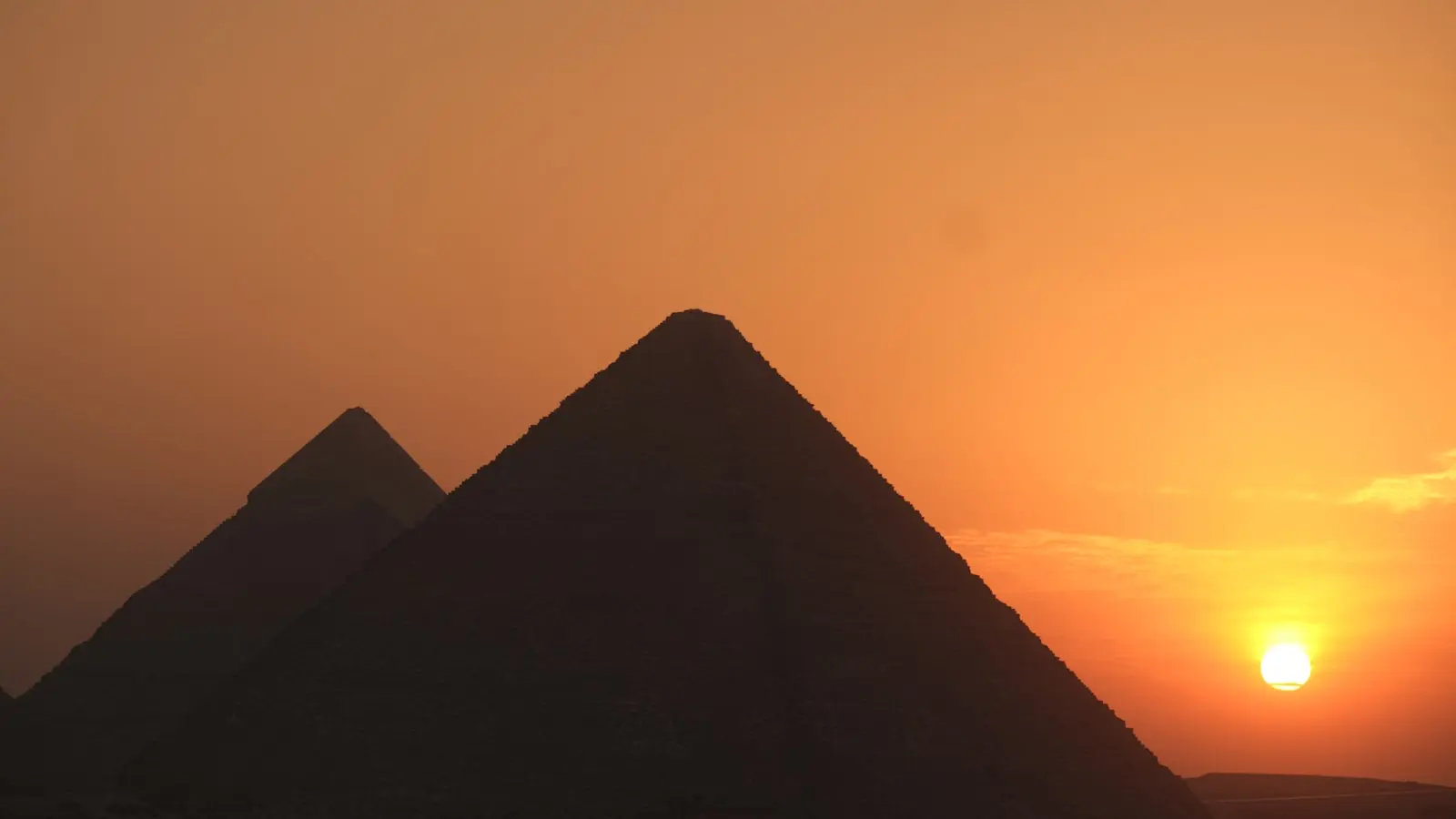
Is a Layover Visit to Giza Safe During 40°C Heat?
The Reality of a Desert Layover
A recent travel report described a single-day layover in Cairo that included visits to Giza, Dahshur, and Saqqara. Temperatures exceeded 40°C (104°F) in June. The traveler spent ten hours outdoors without reported illness. Commenters on the thread warned that heatstroke risk is high for unprepared visitors. This scenario raises a legitimate question: can a day of intensive sightseeing in Egypt’s desert be undertaken safely under such conditions?
The answer is conditional. It depends on preparation, timing, and adherence to physiological limits. Layover tourists often underestimate dry desert heat because they compare it to humid heat at home. The difference matters. Dry heat enables more efficient evaporative cooling — until dehydration impairs sweating. The body’s core temperature can rise quickly when fluid loss exceeds 2% of body weight.
The Egyptian Ministry of Tourism identifies 11am to 3pm as the most dangerous window. Yet many layover schedules force visitors into that window. The Reddit commenters recommended at least 2 liters of water per person, wide-brimmed hats, and electrolyte packets. These are not luxuries. They are minimum requirements for a body under thermal stress.
Physiological Stress of Dry Desert Heat
Heat loss relies on evaporation. In dry air, sweat evaporates rapidly, which feels cooling but accelerates fluid loss. At 40°C with low humidity, a person walking at moderate pace loses roughly 1 to 1.5 liters of sweat per hour. Without replacement, blood volume drops, heart rate rises, and the brain receives less oxygen. The result is heat exhaustion: dizziness, nausea, headache.
If fluid loss continues, the body’s thermostat fails. Core temperature climbs above 40°C. Sweating stops. This is heatstroke, a medical emergency with mortality rates above 10% even with treatment. The traveler in the report escaped unscathed, but luck is not a protocol.
The Reddit advice to carry 2 liters is evidence informed but may be insufficient for a full day. The American College of Sports Medicine recommends 0.5 to 0.7 liters of fluid per hour of moderate exercise in heat. Over ten hours, that totals 5 to 7 liters. However, that volume is for continuous exertion. Sightseeing involves walking, standing, and occasional rest in shade or air-conditioned buses (if available). A reasonable estimate for a day like the one described is 3 to 4 liters of total fluid intake.
The Hydration Carry Dilemma
Security checks at pyramid sites forbid large water bottles. This creates a practical problem. A visitor cannot bring a 2-liter bottle through the gate. The solution is a collapsible water bottle — empty at entry, filled inside. Bottled water is sold at concession stands, though prices are inflated (a standard 1.5-liter bottle may cost 30 to 50 Egyptian pounds, roughly $1 to $2 USD). Buying water on site is reliable, but a tourist must locate vendors and queue during peak heat.
Another approach: bring a hydration backpack with a bladder. These can often be emptied and refilled after security. The Egyptian Ministry of Tourism does not explicitly forbid hydration systems, but individual guards may enforce arbitrary rules. Having a printed copy of the official water policy (available in Arabic and English at tourist police offices) can help.
Electrolyte packets are critical. Plain water alone does not replace sodium lost in sweat. Hyponatremia — dangerously low blood sodium — can occur when a person drinks large volumes of water without salt. Symptoms mimic heat exhaustion: fatigue, confusion, muscle cramps. The Redditors who recommended electrolyte packets understood this. A single packet dissolved in a liter of water can maintain electrolyte balance during extended exertion.
Sun Protection Beyond Sunscreen
Sunscreen with SPF 30+ is essential but insufficient. The most effective protection is physical barrier. A wide-brimmed hat reduces head and face exposure by 70% compared to a baseball cap. Long-sleeved, lightweight, light-colored clothing lowers skin temperature by reflecting infrared radiation. The Egyptian tradition of wearing loose cotton robes is not cultural preference — it is thermoregulatory engineering refined over millennia.(Thankfully, modern performance fabrics also work, but cotton remains superior for evaporative cooling when dry air is present.)
Seeking shade is not optional. The pyramids offer little natural cover. A few structures at the Giza plateau have shaded areas, but during the 11am to 3pm window, direct sunlight is unavoidable at open sites. A portable umbrella with a reflective coating can reduce perceived temperature by 5 to 10°C beneath it. Tourists with back problems (the standing posture required to hold an umbrella) may prefer a hat with a neck drape.
Timing: The Single Most Effective Intervention
The Egyptian Ministry of Tourism’s warning about peak hours is grounded in physiology. Solar radiation intensity peaks at solar noon. The body’s heat gain from radiation is additive to metabolic heat from walking. Starting visits at 7am (Giza opens at 8am, but the area around it is accessible earlier) allows two to three hours of sightseeing before 11am. Taking a lunch break indoors — ideally in an air-conditioned restaurant or hotel — until 3pm, then resuming for the final afternoon sessions, reduces cumulative thermal load.
Layover tourists often cannot control flight timing. A 12-hour layover from 6am to 6pm forces morning and afternoon visits. In that case, the risk is higher but manageable if the visitor forces a two-hour midday rest. Is that worth the experience? The traveler from the report succeeded, but the margin of error was narrow.(Frankly, many do not get a second chance at seeing the pyramids, so the desire to maximize time is understandable. The responsibility falls on the individual to respect limits.)
Recognizing Heatstroke Early
Heatstroke can be mistaken for heat exhaustion. The distinction is neurological. If a person becomes confused, disoriented, or loses consciousness, they have heatstroke. Sweating may stop, but not always. Skin becomes hot and red. Core temperature often exceeds 40°C, but a layperson does not need a thermometer: altered mental status plus hot skin in a hot environment equals emergency.
The WHO guidelines for field treatment: move the person to shade, remove outer clothing, pour water over the body, fan vigorously. Do not give fluids if the person is unconscious. Call for medical evacuation immediately. In Egypt, emergency services are reachable at 123. Private tour guides usually have direct contacts for clinics. The cost of a medical evacuation from Giza to a Cairo hospital is relatively low (estimates range from $500 to $1,500) but insurance coverage matters. Travelers should verify their policy covers heat-related illness, as some exclude it.
What Not to Do
Do not rely on alcohol or caffeine. Both are diuretics, increasing fluid loss. The Reddit thread mentioned that some tourists drink beer at the Sphinx restaurant to cool off. This is a mistake. Alcohol impairs thermoregulation and judgment. Caffeine may improve alertness but also increases urine output in those not habituated.
Do not skip meals. Eating provides electrolytes and carbohydrates. Salty snacks (pretzels, salted nuts) are better than sweets. Fruit with high water content (watermelon, oranges) contributes to hydration.
Do not assume that air-conditioned vehicles protect completely. The body still loses fluid while sitting. The bus may break down. The checkpoint may take 30 minutes in direct sun. Preparation for the worst-case scenario is the only prudent stance.
Conclusion: Feasible but Not Casual
A day trip to Giza, Dahshur, and Saqqara in 40°C heat is feasible. The evidence supports it, provided the visitor follows a strict protocol: 3+ liters of water with electrolytes, physical sun protection, a mandated midday rest, and early recognition of heat illness symptoms. The Reddit traveler managed without harm, but their experience does not prove safety — it proves survivability under favorable conditions. The Egyptian Ministry of Tourism’s warnings exist for a reason. The prudent tourist treats the heat as an adversary, not an inconvenience.
The pyramids will still be there tomorrow. The brain will not recover quickly from 41°C. The choice to see them all in one day is a risk calculation. With proper preparation, the odds favor a memorable experience. Without it, the odds favor a hospital visit.
This article is for informational purposes and does not constitute medical advice. Consult a physician before undertaking strenuous activity in extreme environments.