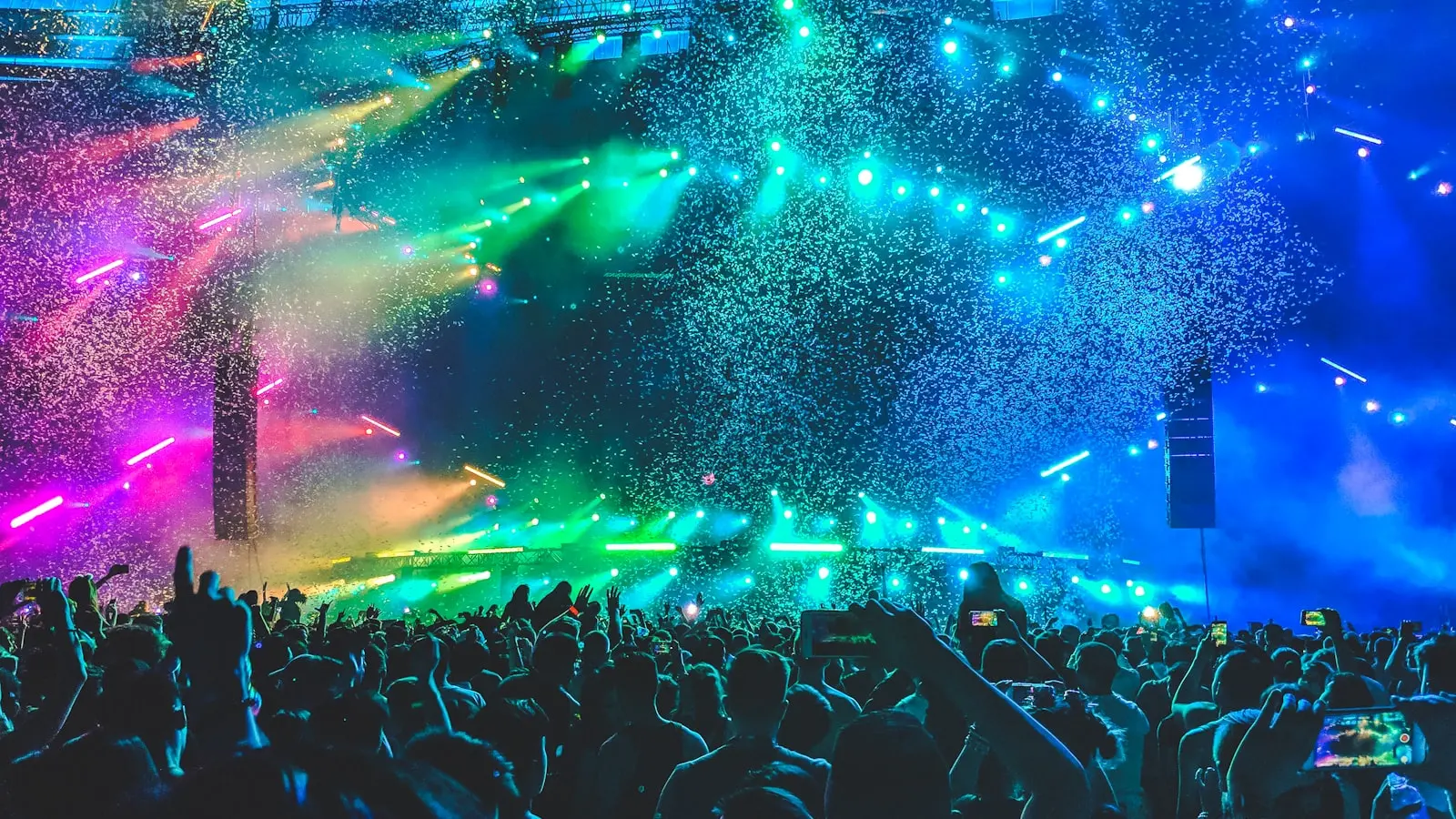

When the final notes faded from Kendrick Lamar’s Super Bowl LIX halftime show, what remained was not the typical echo of a pop music spectacle, but the deafening silence of a settled argument. This was not a performance. It was a coronation, broadcast live to one of the largest television audiences in human history. By placing his Drake diss track, “Not Like Us,” at the heart of a medley watched by families across America, Lamar didn’t just entertain; he leveraged the nation’s biggest cultural campfire to broadcast the terms of his victory in a feud that had defined hip-hop for the past year. The verdict was in.
The production itself was a study in controlled power. Flanked by dancers in a stark, minimalist set that recalled his starkest music videos, Lamar commanded the stage with an intensity that felt more like a political rally than a halftime show. The cameo by Samuel L. Jackson provided a moment of cinematic gravitas, but it was the appearance of Serena Williams that crystallized the performance’s true intent. Williams, walking onto the stage not as a performer but as an icon of undisputed dominance, served as a living testament to Lamar’s thesis. Her presence was a strategic alignment of Black excellence, a co-signing from another generational talent who understands the mechanics of winning unequivocally. It was a move of undeniable symbolic power. She didn’t have to say a word.
The decision to perform “Not Like Us” was the show’s central, audacious act. For months, the track had existed as a viral phenomenon, a Grammy-winning piece of cultural shrapnel from a deeply personal and acrimonious battle. To bring it to the NFL’s stage—an institution historically cautious about controversy—was a seismic shift. It signaled that hip-hop’s internal conflicts are no longer niche; they are mainstream American culture. When the stadium crowd roared the lyrics back at him, it confirmed the song had transcended its origins to become a populist anthem. It was the final nail in the narrative coffin for his rival, Drake, whose reported silence during the event became, in itself, a powerful statement.
The New Cultural Center
For decades, the Super Bowl halftime show served as a litmus test for an artist’s arrival at the absolute center of American popular culture. It has historically favored broadly appealing, safe choices. Lamar’s performance, however, represents a fundamental re-calibration of that center. The NFL, in sanctioning this setlist, acknowledged a new reality: the cultural energy, the social media engagement, and the market power now reside with artists who do not sand down their edges. The risk of platforming a diss track was outweighed by the reward of capturing the zeitgeist.
Commentators across sports and entertainment immediately framed the show as a watershed moment. The New York Times’ assessment of it as “a masterclass in cultural spectacle and musical precision” captured the consensus. Lamar didn’t just play the hits; he curated a narrative arc. He took the audience from his introspective early work to the triumphant, communal energy of his latest victory. This was analytical storytelling executed on a global stage, proving that complex, confrontational art can achieve mass commercial appeal without compromise. The machinery of culture had validated his win.
The Economics of Dominance
The immediate aftermath provided the quantitative data to support the cultural analysis. Within an hour of the performance, demand for tickets to Lamar’s upcoming Grand National Tour overwhelmed vendors, setting first-hour sales records. The Super Bowl was not the culmination of his run; it was the launchpad for its next, most profitable phase. This is the modern blueprint for artistic conflict: a well-executed, decisive public victory translates directly into immense commercial power. The feud, once a war of words, was now an engine for economic expansion.
In this new landscape, the loser is defined not just by the battle itself, but by their inability to counter the victor’s narrative on the biggest stages. Drake, who had masterfully controlled pop narratives for over a decade, found himself on the outside of the industry’s most significant televised event. The performance created a cultural vacuum that his silence only amplified. While Lamar was aligning himself with icons like Serena Williams, Drake was relegated to the status of a spectator. (A brutal, but effective, checkmate).
Ultimately, the Super Bowl LIX halftime show will be remembered less for its choreography or its playlist and more for its strategic brilliance. It was a meticulously planned cultural maneuver that solidified a legacy, closed a chapter on a rival, and demonstrated the raw power of narrative control. Kendrick Lamar took the world’s most-watched 13 minutes and used them not just to perform, but to declare his reign. The message was broadcast, received, and understood. The game was over.