
The standard approach to Southern Spain remains a rigid architectural tour. For travelers, the temptation is to treat the region as a checklist of monuments, moving from one UNESCO site to the next with mechanical efficiency. While 21 days provides a generous window, the current travel consensus reveals a persistent friction between covering major urban centers and absorbing the actual character of the region. (Is quantity ever actually quality?)
The Hub and Spoke Limitation
The math of a three-week itinerary often dictates a predictable rhythm. Most travelers allocate 4-5 days for Seville, 3-4 days for the Alhambra in Granada, and 3 days for the Atlantic coastline in Cádiz. This pacing captures the highlights, yet it forces a narrow perspective. These hubs are indeed the vessels of history, yet they operate as international stages for tourism. When a traveler stays only within these zones, they miss the transition of culture from the vibrant plazas to the silent, white-washed villages that define the rural landscape.
The Infrastructure Gap
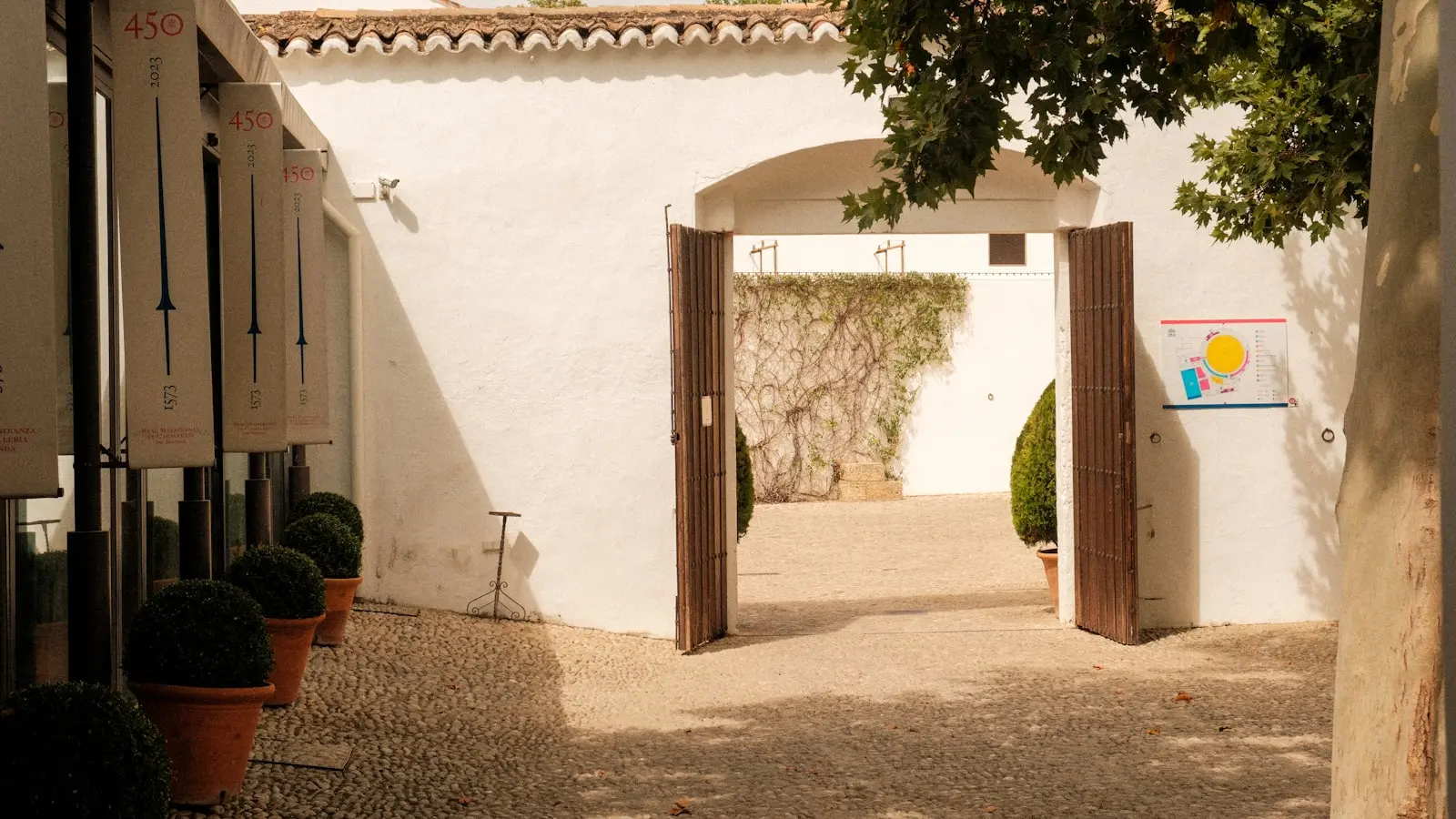
Logistics drive behavior. The Renfe rail network is efficient for moving between major cities, yet this convenience imposes a geographic constraint. If a destination is not a major train stop, it is frequently discarded. Villages like Ronda or Arcos de la Frontera offer an entirely different sensory experience, marked by geological drama and a pace of life that urban centers cannot replicate. Without a car, the traveler is shackled to the rails. The result is a missed opportunity to see the interplay between the Moorish past and contemporary rural life.
The Cost of Speed
Andalusia attracts over 10 million international visitors annually. This volume creates a standardized hospitality experience designed for high turnover. The nuance of the provinces—the subtle linguistic shifts, the variation in culinary tradition, the specific local saint festivals—requires a deliberate slowing of the clock. To grasp the difference between a Sevillian perspective and a Granadino one, the traveler must exit the main thoroughfares.
Consider the following allocation for a more balanced three-week approach:
- Days 1-7: Establish a base in Seville to engage with the urban density and historic core.
- Days 8-14: Relocate to the interior, prioritizing rural pueblos to understand the topography and regional trade.
- Days 15-21: Conclude in the East, focusing on Granada and the high-altitude surroundings of the Sierra Nevada.
Cultural Immersion vs Tourism
The efficacy of a three-week stay depends entirely on the rejection of the “must-see” list as the primary objective. Efficiency in travel often leads to spiritual exhaustion. (A common trap.) By restricting the trip to the primary hubs, the visitor collects images rather than experiences. The true architecture of Andalusia is found in the shadows of the smaller towns, where the Moorish influence is not a museum exhibit but a functional part of daily design and civic behavior. Those who dedicate time to the smaller provinces return with a comprehension of the region that goes beyond postcards. It is not about how many cities one touches, but how many local rhythms one learns to match.