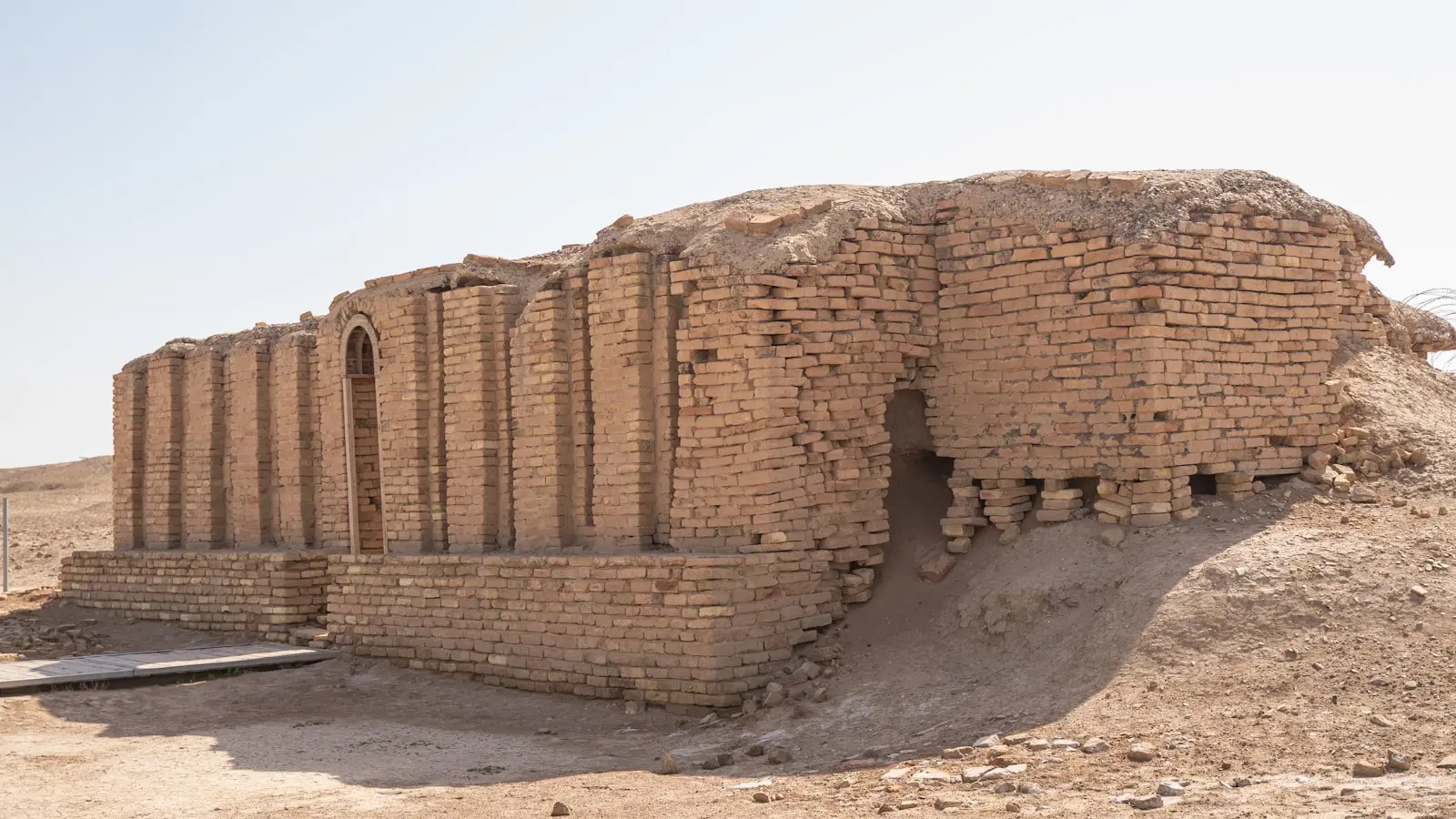

The landscape of Iraqi tourism underwent a seismic shift in early 2026, pivoting from a conflict-stricken zone to a calculated frontier for the intrepid history enthusiast. As the Global Travel Advisory Board reports sustained stabilization across core central regions, the infrastructure for international transit is no longer theoretical (it is being laid in concrete). While headlines once focused exclusively on the mechanics of war, the current discourse centers on the management of ancient heritage and the logistical demands of a nascent hospitality sector.
Iraq possesses an architectural pedigree that dwarfs most European capitals. From the sun-baked mud-brick ruins of Babylon to the intricate, light-refracting tile work of the shrines in Najaf and Karbala, the nation hosts millions of pilgrims annually, creating a functional, if intense, tourism framework. Data indicates that regional security has matured significantly since the early 2000s, though the margin for error remains thin. (One does not simply wander into the marshlands of Chibayish without a local escort.)
The Logistical Reality of Modern Pilgrimage and Tourism
Recent government mandates have streamlined visa acquisition processes, effectively lowering the barrier to entry for Western nationals. However, accessibility does not imply ease. The transition from Baghdad’s bustle to the quiet decay of the Mesopotamian marshes requires more than a guidebook; it demands a local intermediary capable of interpreting shifting regional tensions. When a traveler moves between provincial administrative zones, the lack of standardized tourist protocols means that a local guide is less of a luxury and more of an essential safety tether.
Cultural Etiquette and the Social Architecture
Successful navigation of the Iraqi interior relies on an acute sensitivity to the local social fabric. The religious centers of the Shia south are governed by strict codes of conduct that transcend standard etiquette. Modesty is not a suggestion here; it is the currency of entry. Seasoned travelers observing the region note that while the hospitality of the local population is profound—often overwhelming in its generosity—this warmth is predicated on the visitor’s willingness to respect established customs. Ignoring these norms is not merely rude; it is a tactical error that can isolate the visitor from the very culture they aim to experience. (Thankfully, these expectations are clear for those who do their homework.)
Archaeological Potential vs Infrastructure Constraints
Decades of isolation left the country’s archaeological sites in a state of suspended animation. The Ministry of Tourism is now actively attempting to market these ruins as the world’s next great cultural destination. The ambition is high. Yet, the physical reality of the site infrastructure lags behind the branding. Travelers expecting the amenities of a standard European tour will find the environment demanding. Access to remote sites requires robust planning, reliable transport, and the patience to navigate a system still finding its footing.
Evaluating the Risk and Reward
For the independent traveler, the decision to visit Iraq involves a rigorous risk assessment that includes:
- Monitoring real-time regional tension indicators.
- Avoiding designated border zones near the northern and western peripheries.
- Utilizing verified local guides for travel outside of major transit hubs.
Ultimately, the value proposition of Iraq is not comfort. It is perspective. To stand within the birthplace of civilization is to confront a history that is simultaneously grand and fragile. If a traveler can navigate the friction of a developing tourism industry and respect the sanctity of its holy sites, the experience offers a depth of engagement rarely found in more sanitized global destinations. (Is the risk worth the reward? For those obsessed with the origins of the human story, the answer is rarely in doubt.)