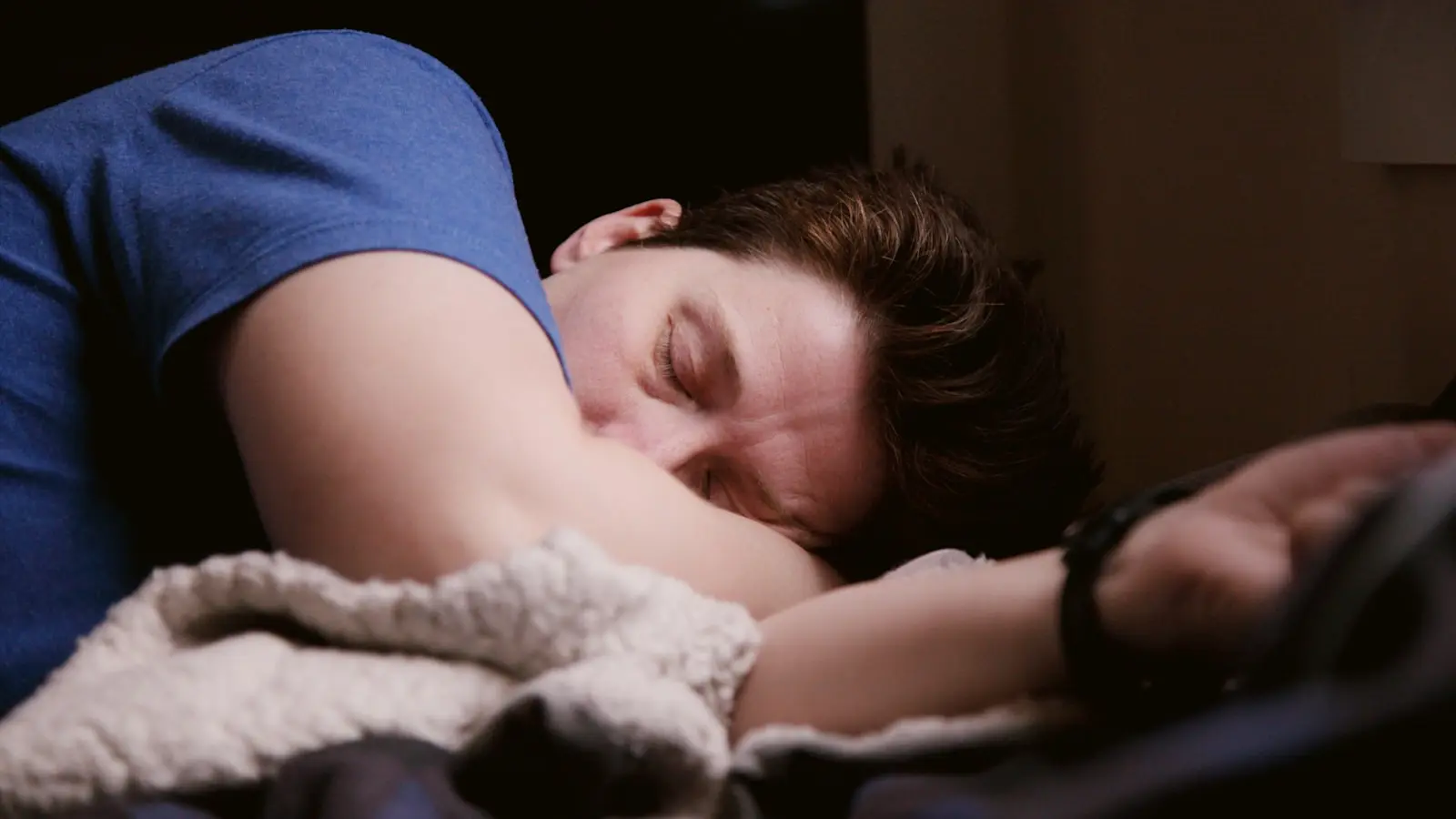
If you struggle with poor sleep and want to avoid prescription drugs, a combination of environmental adjustments, daily routine changes, and behavioral techniques can help you fall asleep faster and stay asleep longer. Below are the key takeaways from this approach, followed by a detailed step-by-step guide.
Key Takeaways
- Optimize your sleep environment: keep the room cool (60–67°F), dark, and quiet.
- Anchor your circadian rhythm with a consistent wake time, morning light exposure, and proper exercise timing.
- Cut caffeine at least 6–8 hours before bed and avoid heavy meals 2–3 hours before sleep.
- Breathing exercises and cognitive behavioral therapy for insomnia (CBT-I) are effective non-drug tools.
- Use supplements like melatonin, magnesium, or valerian cautiously and only after consulting a doctor; they are not a substitute for good sleep hygiene.
- If natural methods fail after several weeks, see a sleep specialist — untreated insomnia may indicate an underlying condition.
1. Why Medication Isn’t the First Answer
You might consider prescription sleep aids when sleep is poor, but medication is rarely the best first step. Sleeping pills carry risks of dependency, daytime drowsiness, and side effects like memory problems or dizziness. They also treat the symptom rather than the underlying cause. Natural approaches aim to address root factors such as an out-of-sync circadian rhythm, poor sleep environment, or unhelpful daily habits. That said, short-term use of medication under a doctor’s supervision can be appropriate for acute situations, such as severe jet lag or a medical procedure. However, for chronic difficulties, behavioral and environmental changes are both safer and more sustainable.
2. Optimize Your Sleep Environment
Your bedroom environment plays a direct role in how easily you fall asleep and stay asleep. Sleep foundation guidelines recommend a room temperature between 60–67°F (15–19°C) to support the body’s natural drop in core temperature during sleep. Darkness is equally important: blackout curtains, an eye mask, and covering or moving LED devices can help signal your brain that it’s time to rest. Noise can be managed with earplugs, a white noise machine, or simply silence. Bedding comfort matters too — a supportive mattress, appropriate pillows, and breathable fabrics prevent physical discomfort from disturbing sleep.
Blue light from screens suppresses melatonin production, making it harder to fall asleep. Blue-light blocking glasses may offer a small benefit, but the evidence is mixed. The most effective strategy is to reduce screen time for 1–2 hours before bed. If you must use a device, dim the brightness and enable night mode.
3. Master Your Daily Routines
What you do during the day strongly influences how you sleep at night. A consistent wake time — even on weekends — anchors your circadian rhythm. Expose yourself to bright light, preferably natural sunlight, within 30 minutes of waking. This tells your internal clock that daytime has started and helps you feel alert earlier in the day, which leads to earlier sleep onset at night.
Exercise timing is another key lever. Moderate aerobic exercise (brisk walking, cycling, swimming) performed earlier in the day improves sleep quality. However, vigorous exercise within two hours of bedtime can raise heart rate and body temperature, making it harder to settle down. Listen to your body — some people tolerate late exercise well, but most do not.
Caffeine is a common hidden disruptor. Its half-life ranges from three to six hours, meaning a cup of coffee at 4 PM can still be affecting you at 10 PM. A practical rule is to stop caffeine intake at least six to eight hours before bed. Individual sensitivity varies; some people need to cut off even earlier.
Meal timing also matters. Large meals close to bedtime divert energy to digestion and can cause discomfort or acid reflux. Aim to finish eating two to three hours before sleep. If you need a light snack, options like warm milk, banana, or tart cherry juice are sometimes suggested anecdotally, though evidence is limited. Similarly, reduce fluid intake in the hour or two before bed to minimize bathroom trips.
4. Use Breathing Techniques and Cognitive Behavioral Therapy for Insomnia (CBT-I)
When you’re lying awake, the urge to force sleep only increases anxiety. Simple breathing exercises can shift your nervous system toward a relaxed state. The 4-7-8 method — inhale for four seconds, hold for seven, exhale for eight — is a common technique. Diaphragmatic breathing (belly breathing) also activates the parasympathetic system. These techniques work best when practiced regularly, not just on bad nights.
Cognitive Behavioral Therapy for Insomnia (CBT-I) is a structured, non-drug program that addresses the thoughts and behaviors that perpetuate poor sleep. Core principles include stimulus control (only use your bed for sleep and sex), sleep restriction (limiting time in bed to match actual sleep time, then gradually increasing), and cognitive restructuring (challenging unhelpful beliefs about sleep). CBT-I is considered the first-line treatment for chronic insomnia and is supported by substantial clinical evidence.
One common frustration is waking at 3 AM and being unable to return to sleep. The key is not to lie in bed forcing it. If you’ve been awake for more than 20 minutes, get up and do a quiet, relaxing activity in dim light — reading a physical book, listening to calm music, or gentle stretching. Only return to bed when you feel sleepy again. This prevents the brain from associating the bed with frustration.
5. Evaluate Popular Supplements with Caution
Supplements are often marketed as natural sleep aids, but they are not regulated like medications, and their effectiveness varies by individual. Proceed with caution and consult a doctor before starting any new supplement.
Melatonin is a hormone that helps regulate the sleep-wake cycle. It can be useful for shifting circadian rhythms (e.g., jet lag or shift work) but is not a long-term solution for chronic insomnia. Timing and dosage matter — taking it too late or in high doses can actually worsen sleep. Prescription-grade melatonin may offer more consistent quality than over-the-counter versions.
Magnesium, particularly magnesium glycinate, has some evidence supporting improved sleep quality, especially in older adults who may have low magnesium levels. The research is not robust enough to recommend it universally, but it is generally safe when taken within recommended amounts.
Valerian root has been studied in several clinical trials. Some meta-analyses suggest valerian may modestly reduce the time it takes to fall asleep and improve subjective sleep quality, though the quality of evidence is low to moderate. Side effects such as headaches or dizziness can occur, and it is not a first-line option.
Other supplements like chamomile, glycine, and tart cherry juice have limited or mixed evidence. They may help some individuals but are not proven remedies. Always remember: supplements are not a substitute for addressing the root causes of poor sleep.
6. When to Consider Professional Help Despite Avoiding Prescription Drugs
If you have tried consistent natural approaches for several weeks and still experience significant trouble sleeping, it may be time to see a sleep specialist. Signs that warrant professional evaluation include chronic insomnia lasting more than three months, loud snoring or gasping during sleep (possible sleep apnea), restless legs, or excessive daytime sleepiness that affects safety.
CBT-I is available through trained therapists, digital programs, and some primary care clinics. It remains the most effective non-drug treatment for insomnia. A sleep specialist can also rule out underlying medical or psychological conditions that require targeted treatment. No natural remedy works for everyone, and persistent sleep problems may indicate an issue that needs medical attention.
Frequently Asked Questions
Q: Is it bad to eat before bed? It depends. Heavy meals close to bedtime disrupt sleep because digestion keeps your body active. However, a light snack rich in tryptophan — such as warm milk or a banana — may help some people fall asleep. The key is timing: avoid eating within two to three hours of bed.
Q: Do blue-light blocking glasses actually work? Research suggests they can reduce blue-light exposure and may slightly improve subjective sleep quality, but they are not a cure-all. The most effective approach is to limit screen usage an hour or two before bed. Glasses can be a supportive tool but should not replace healthy screen habits.
Q: How can I stop waking up at 3 AM and not getting back to sleep? This pattern often relates to stress, blood sugar fluctuations, or an inconsistent sleep schedule. Try not to force sleep: get up, do a quiet activity in dim light, and return to bed only when sleepy. Maintain a cool, dark bedroom and review your caffeine intake. If it persists, CBT-I can help retrain your sleep patterns.
Q: What is the optimal time to exercise for better sleep? Moderate aerobic exercise earlier in the day — such as morning or early afternoon — tends to improve sleep quality. Vigorous exercise within two hours of bedtime can be stimulating for many people, though individual responses vary. Experiment to find what works for you.
Q: How long before bed should I stop drinking caffeine? Most sleep experts recommend cutting off caffeine at least six to eight hours before your planned bedtime. Because caffeine sensitivity differs, you may need to stop even earlier. Pay attention to hidden sources like tea, soda, or chocolate.
Q: Which natural supplements (magnesium, valerian, melatonin) are actually effective and safe? Melatonin is effective for circadian rhythm issues but not a long-term insomnia fix. Magnesium glycinate shows some benefit, mainly in older adults with deficiency. Valerian root has modest evidence but low quality. All supplements should be used cautiously and discussed with a doctor. No supplement replaces good sleep hygiene.