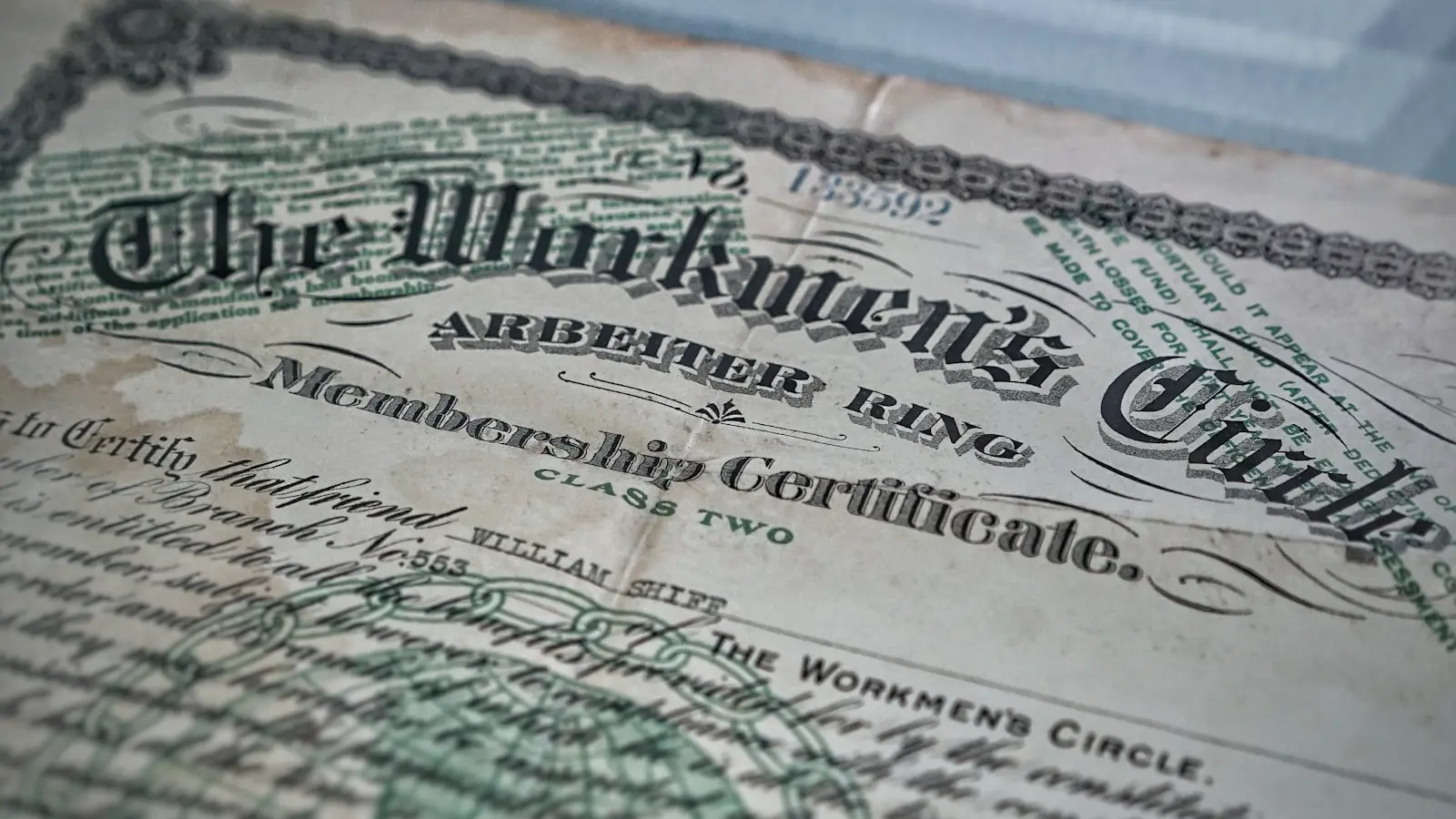

The Shift from Paper to Digital
The digital transformation of financial markets has rendered physical paper certificates a relic of a bygone era. While electronic book-entry systems managed by the Depository Trust Company (DTC) now dominate, millions of physical certificates remain tucked away in safes and filing cabinets. These documents represent legitimate equity ownership, yet their status often remains a mystery to the average investor. (A dangerous state of financial limbo.)
Identifying the Issuing Entity
The first step in valuing a physical certificate is identifying the issuer. Investors must locate the name of the issuing corporation on the face of the document. If the company exists today, the primary point of contact is the transfer agent listed directly on the certificate. The transfer agent serves as the registrar of the company’s securities, maintaining the official records of ownership. If no agent is specified, contacting the company’s Investor Relations department is the secondary protocol. (Corporations rarely enjoy tracking down lost shareholders, but the legal obligation stands.)
Decoding Corporate History and Mergers
Many certificates represent companies that no longer trade under their original names. Through decades of mergers, acquisitions, and spin-offs, the identity of an equity holding often shifts. Determining the current value of a certificate requires tracing the corporate lineage of the issuer.
| Action | Purpose |
|---|---|
| Check Transfer Agent | Verify if the certificate is active or voided. |
| Research Mergers | Determine if a successor company assumed the assets. |
| Search State Databases | Locate abandoned property if the company has dissolved. |
If an acquisition occurred, the successor corporation is typically responsible for honoring the outstanding shares. Shareholders may be entitled to cash settlements or shares of the acquiring entity. Legal ownership persists regardless of the document’s physical age. (Neglect does not equal forfeiture.)
Leveraging the Direct Registration System
The Direct Registration System (DRS) has largely replaced physical custody, allowing investors to register shares directly in their names without holding a paper document. If an investor discovers an old certificate, the goal is often to dematerialize the asset by moving it into a DRS account. This process mitigates the risk of loss or destruction and simplifies future transactions.
Locating Lost or Abandoned Assets
In scenarios where the company has delisted or dissolved, the trail often leads to state-level unclaimed property divisions. When a company liquidates, assets owed to untraceable shareholders are eventually transferred to the state of incorporation or the holder’s last known state of residence. Searching these databases is a standard part of estate audits. Financial advisors frequently highlight that billions of dollars in equity remain unclaimed due to the disconnect between paper records and modern digital registries. (The math is simple: search now or risk permanent loss.)
Steps for Due Diligence
- Inspect the Certificate: Note the CUSIP number, the number of shares, and the name of the transfer agent.
- Contact the Agent: Request a status report on whether the certificate has been voided or replaced by book-entry.
- Verify Successor Rights: Use public financial filings to determine the acquiring company if the original issuer is defunct.
- Audit State Databases: If the company is confirmed dissolved, search for unclaimed property in the appropriate jurisdictions.
Markets reward discipline, not sentiment. Physical certificates are simply tools of ownership; treat them with the same analytical scrutiny as a modern brokerage statement. While the paper may be yellowed, the underlying equity claim remains an asset until proven otherwise. Precision is the only way to ensure the capital is returned to the rightful owner.