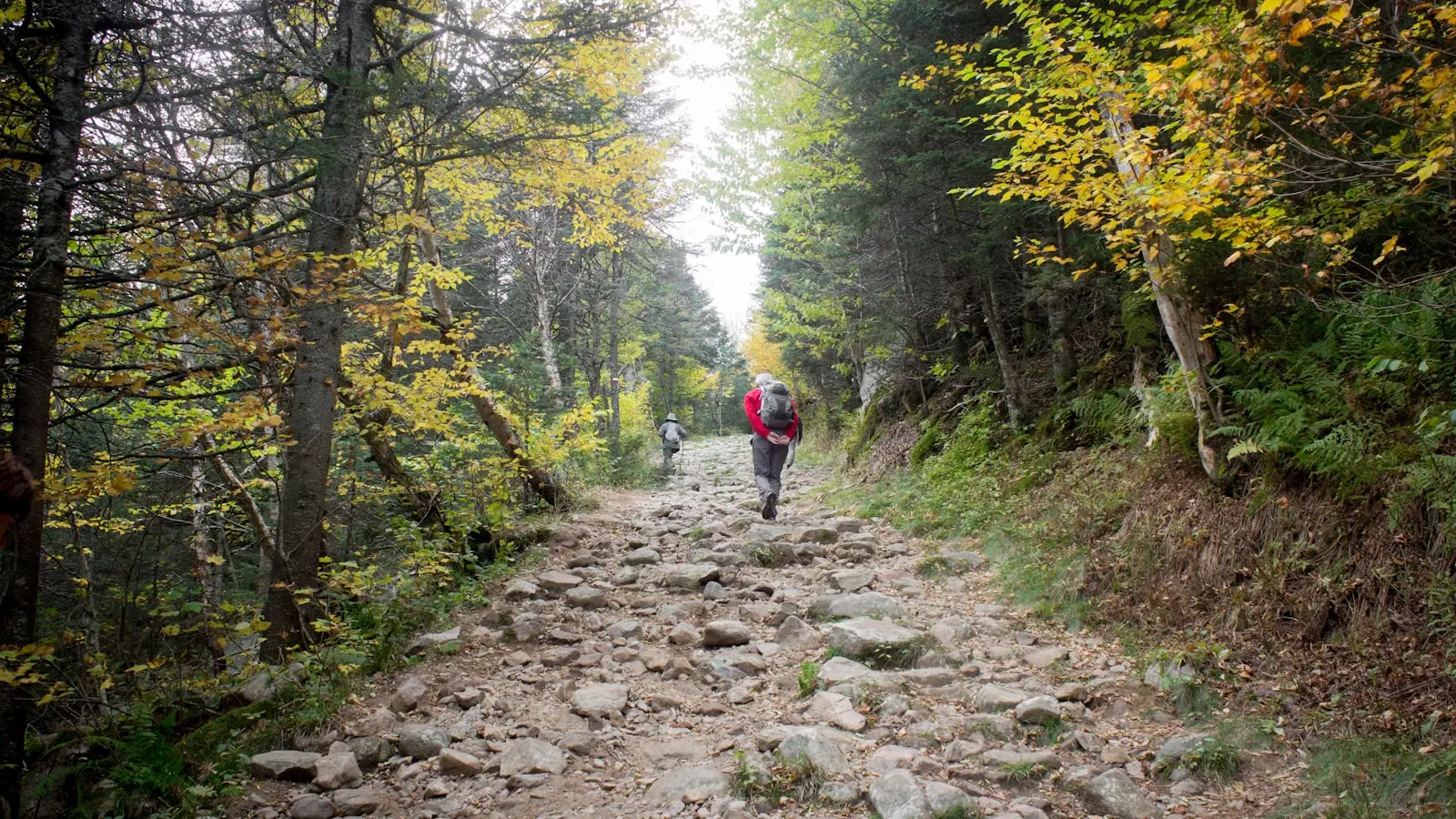

The transition from asphalt to mountainous terrain is not merely a change of scenery. It is a fundamental reconfiguration of the human kinetic chain. When a runner shifts from the predictable, flat surface of a road to the stochastic chaos of a forest floor, the body experiences a sudden increase in stabilizing muscle activation. Data from the Journal of Sports Sciences indicates that navigating uneven trails requires 20 percent more engagement from the ankle and core musculature than road running. (That is a significant caloric and mechanical tax.)
Adjusting Gait Mechanics for Technical Terrain
Road runners often rely on long, efficient strides. On a technical mountain path, this is a recipe for a lateral ankle sprain. The primary adjustment for the novice trail runner is the cadence. Shortening the stride length while increasing frequency creates a more stable center of gravity. This mechanical shift allows for rapid micro-adjustments when the foot encounters roots, rocks, or shifting scree. A shorter stride places the foot closer to the body’s center of mass, which reduces the leverage an uneven surface can exert on the ankle joint.
The Necessity of Proprioceptive Development
Proprioception—the body’s ability to sense its position in space—is the primary variable that separates a road runner from a mountain athlete. Participation in trail sports has surged 40 percent since 2020, yet injury rates remain high among beginners who fail to respect this requirement. The American Trail Running Association suggests a staged progression to build this neurological map:
- Phase 1: Smooth, non-technical fire roads to establish rhythm.
- Phase 2: Gentle rolling trails with minor debris to test landing stability.
- Phase 3: Single-track paths featuring roots, rocks, and elevation change.
(Trying to skip these phases is the fastest way to end up on the sidelines.)
Strength Training as a Performance Requirement
Modern coaching philosophy has moved past the idea that mileage is the only metric of fitness. For the trail runner, strength training is now categorized as preventative medicine. Physical therapists point to single-leg stability as the most critical bottleneck for trail athletes. Exercises like Bulgarian split squats are not aesthetic choices; they are functional simulations of the single-leg loading that occurs every time a runner plants their foot on a rock.
| Exercise Type | Primary Targeted Muscle | Benefit to Trail Runner |
|---|---|---|
| Bulgarian Split Squats | Gluteus Medius / Quads | Improved single-leg stability |
| Single-Leg Deadlifts | Hamstrings / Core | Balance on uneven surfaces |
| Calf Raises | Peroneals | Ankle joint resiliency |
Footwear and Traction Arbitrage
Footwear remains the most common point of failure for beginners. Road shoes are designed for energy return on high-friction surfaces; they lack the lateral stability and aggressive lug patterns required for soft dirt or wet granite. The running community identifies incorrect footwear as the primary cause of initial trail mishaps. Aggressive lugs act as mechanical anchors on loose soil, providing the traction necessary to translate force into forward momentum rather than slippage. Investing in specific trail gear is an economic reality of the sport. If the equipment does not match the surface, the physics of the gait will eventually collapse. (It is simply a matter of time.)
Ultimately, the transition requires a shift in mindset. The runner must move from seeking a ‘personal best’ time on a flat loop to achieving ‘total terrain control’ on a mountain pass. The numbers show that the strength of the ankle and the stability of the core define the success of this transition. For those willing to perform the accessory work and scale their terrain difficulty systematically, the mountains provide a far more dynamic training environment than the road ever could.