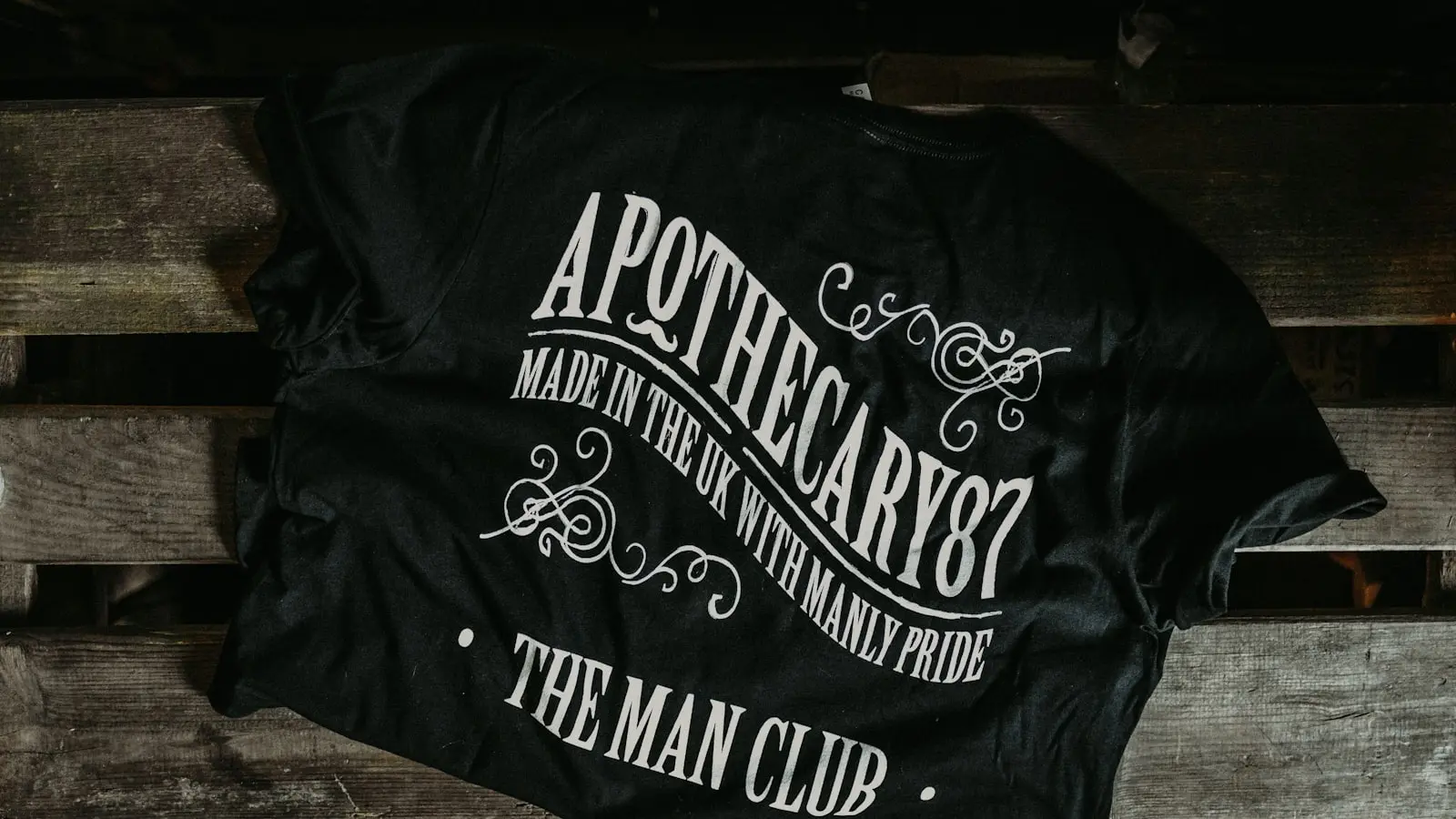

The sartorial landscape of 2026 is undergoing a quiet, structural metamorphosis. Gone are the days of frantic logomania and disposable aesthetics. Instead, the industry is recalibrating toward a tension between rigid silhouettes and a newfound, almost reckless sense of humor. (It is about time.) Analysts tracking the market note a pivot toward craftsmanship that prioritizes texture over mere visibility.
The Return of Playfulness and Utility
Humor is now a defining design pillar. Statement tees and reversible garments have moved from the novelty rack to the center of the wardrobe. This shift suggests a rejection of the overly stoic ‘serious man’ archetype that dominated the previous decade. Concurrently, the male handbag has ceased to be a subject of debate. It is now a functional, mainstream necessity. Designers are no longer apologizing for the silhouette, opting instead for architectural forms that prioritize utility.
Defining the 2026 Silhouette
If one observes the current tension in menswear, it lies between the ‘high and tight’ tailoring and the insurgence of relaxed, volume-heavy fits. There is no middle ground. The market is splitting the difference with hemlines, favoring mid-length shorts that manage to bridge the gap between the chaotic ultra-short styles of the past and the cumbersome, baggy silhouettes that followed. (Thankfully.)
The Texture and Palette Shift
Fabrication is seeing a move toward natural, tactile experiences. Braided belts are effectively killing off the over-accessorized, metal-heavy western styles that once cluttered waistlines. Leather and fur, treated with modern, sustainable tanning processes, remain anchor points for luxury collections. The color story is equally deliberate. The year is defined by a deep dive into the green spectrum. Specifically, the following shades are dominating the retail floor:
- Greenfinch
- Pickle Green
- Aqua Green
These colors are no longer restricted to performance gear; they are permeating suiting, urban outerwear, and everyday basics. Meanwhile, large polka dots are re-emerging as a graphic print, signaling a move away from minimalism toward something more tactile and daring.
The Hybridization of Footwear
Footwear serves as the ultimate litmus test for the modern traveler. The approach shoe—a hybrid between technical climbing gear and refined city footwear—is now the standard for the urban professional. It represents a broader trend: the erasure of the line between the wilderness and the workspace. Yet, the loafer remains. It is the unshakeable foundation of casual menswear, standing as the direct partner to the raw denim that continues to hold 40% of the market share in casual trousers.
Sustainability as a Design Constraint
Behind the scenes, the integration of AI is not just a marketing buzzword. It is being used to optimize inventory management and material sourcing, forcing brands to reckon with sustainability as a bottom-line constraint rather than a PR initiative. Design choices are increasingly dictated by the lifecycle of the garment. If a piece cannot be recycled or repurposed efficiently, it simply does not make the final cut. The 2026 man is a pragmatist. He dresses for an unpredictable environment where his clothing must perform as well as it speaks.