
The Logistics of Immersion
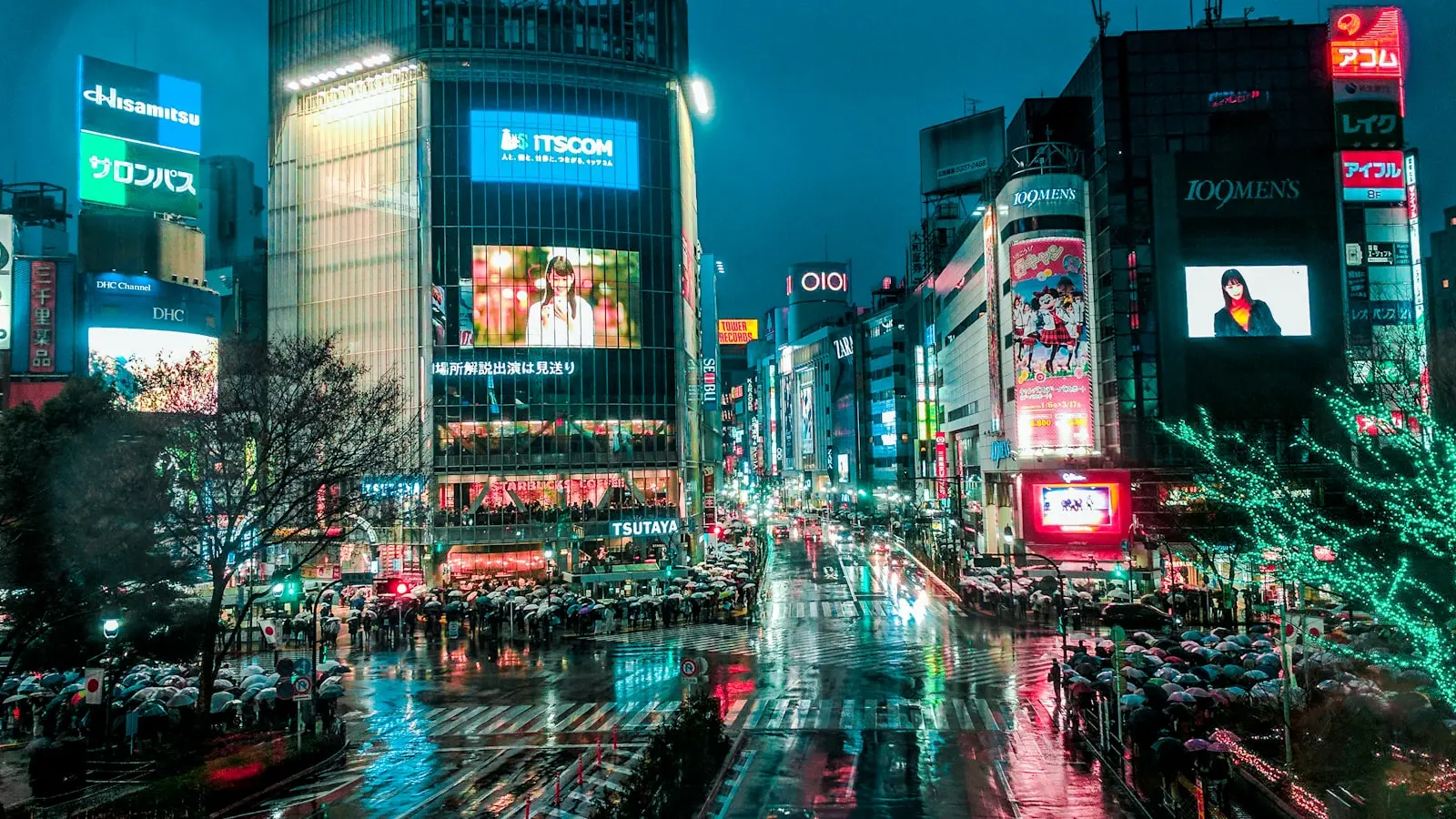
Tokyo is not a city one visits so much as a city one attempts to decipher. When the urban sprawl of the Kanto Plain greets a newcomer, the initial reaction is almost always sensory overload. The sheer density of human movement—10 million commuters filtering through rail gates daily—creates a rhythmic friction that dictates the pace of the metropolis. For the uninitiated, the challenge lies in moving from tourist to participant without succumbing to the exhaustion of inefficient travel. (The city demands respect, not just tourism.)
Navigating the Seasonal Compression
Strategic planning begins with the calendar. Japan National Tourism Organization data from June 2024 confirms that the cherry blossom window remains the most aggressive variable in travel logistics. When pink petals cover the parks in late March and early April, hotel availability craters. If your window is fixed to these weeks, reservations should be finalized months in advance. Should the dates remain flexible, consider the early autumn period or the crisp, quiet days of mid-winter. (Less crowd, more clarity.)
The Infrastructure of Movement
Efficiency in Tokyo is tied directly to the IC card ecosystem. The Suica or Pasmo cards are the essential keys to the Tokyo Metro and JR East rail lines. They eliminate the friction of ticket vending machines, allowing for fluid transitions between districts. Without one, the city becomes a series of disconnected obstacles rather than a cohesive grid.
- Suica/Pasmo: Essential for all public transit.
- JR East Rail Lines: The backbone of intra-city travel.
- Metro Coverage: High-frequency, high-reliability transport.
Securing these upon arrival should be the immediate priority after clearing customs. It is a small piece of plastic that dictates the quality of your entire movement through the city. (Without it, you are simply waiting in line.)
Designing a Realistic Itinerary
Ten days is the minimum duration required to move past the superficial layers of the city. A compressed itinerary breeds frantic movement rather than cultural absorption. Divide the city by architectural character rather than tourist attraction count.
- The West (Shinjuku and Shibuya): These districts represent the hyper-kinetic pulse of Tokyo. Expect neon, crowds, and retail density.
- The East (Asakusa and Ueno): Here, the older layers of the city persist. History is not just preserved; it is still in use.
- The Residential Core (Setagaya): This is where the city breathes. Wander through these neighborhoods to understand how Tokyo functions away from the glare of commercial signage.
The Balance of Reservation and Wandering
There is a peculiar tension in Japanese travel logistics: the dichotomy between the hyper-planned and the serendipitous. High-end culinary experiences require bookings months in advance—a reality of a high-demand, limited-seat culture. However, the rigidity of a pre-booked schedule can strip a trip of its most valuable moments.
Spend your mornings adhering to a plan, but surrender the afternoons to the alleyways of Setagaya or the side streets of Yanaka. The best experiences in Tokyo rarely appear on a travel aggregator’s ‘top ten’ list. They are found in the quiet, mundane spaces where the city reveals its true texture. (Do not fear getting lost.)
Managing Expectations
Since the 2022 reopening, the surge in global interest has altered the accessibility of major sites. Popular destinations now require advanced booking, and the spontaneous walk-in experience is increasingly rare. Expecting a friction-free journey is a mistake. Instead, plan for the friction, manage your booking windows with precision, and allow the city to dictate its own pace. The goal is to traverse the space between the modern steel skyline and the quiet wooden storefronts, finding the intersection where culture meets your own curiosity.