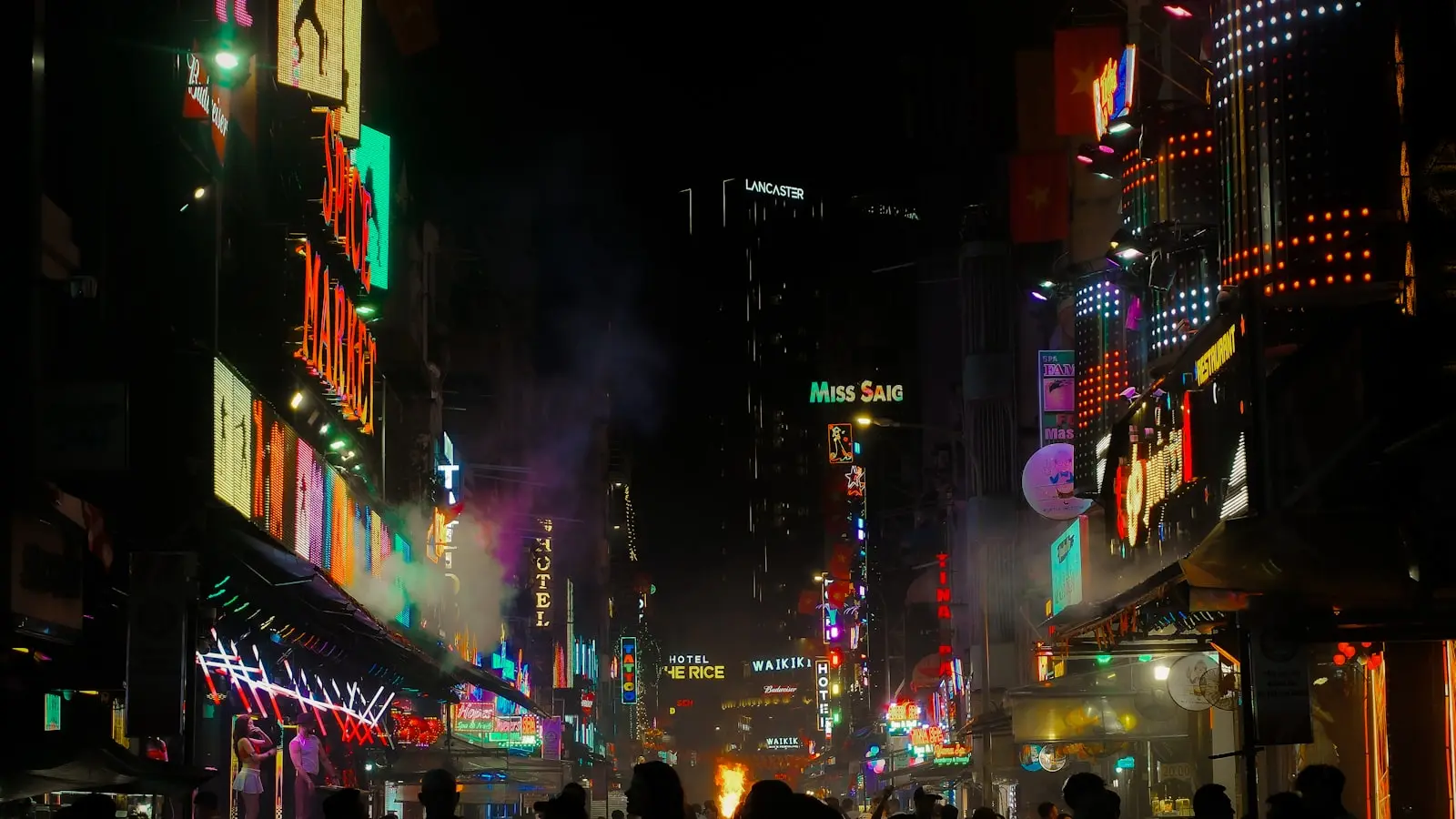

The Architecture of Urban Immersion
Navigating the labyrinthine alleys of Marrakech or the teeming bazaars of Istanbul requires more than a map; it demands an understanding of human density. When thousands of bodies move through constrained historical corridors, the friction between visitor and local increases, often creating a breeding ground for opportunistic petty crime. Recent data from the Global Travel Safety Council indicates that the resurgence of “nuisance” tourism in major hubs is largely driven by aggressive touts targeting uninitiated travelers. The shift is tactical. By identifying those who appear disoriented, vendors and pickpockets extract value through high-pressure sales or distraction-based theft.
The Geography of Discretion
Safety is rarely about defensive gear; it is about visual alignment with the local environment. Analysts from the World Tourism Organization report that travelers who mirror local sartorial norms—opting for modest, culturally appropriate attire—reduce the risk of theft incidents by as much as 60%. The logic is cold and efficient. An outlier, marked by bright, expensive labels or erratic movements, signals vulnerability. Integrating into the visual fabric of a city acts as an immediate psychological barrier to those seeking easy targets.
Furthermore, the management of personal effects requires a specific spatial awareness. Carrying valuables in an interior-facing crossbody bag turns a potential target into a closed loop. (It is a simple design solution for a persistent human problem.) If the wallet is inaccessible without significant effort, the thief moves on to the next prospect. It is not about fear; it is about removing the incentive for intrusion.
Navigating the Social Friction of Markets
History and commerce in dense urban centers often collide in the medina or the square. Here, the primary risk is not violence, but the persistent erosion of one’s personal boundary. Travel experts frequently emphasize the efficacy of the “no-contact” rule. When approached by aggressive sellers, any form of polite engagement is interpreted as a potential opening for a transaction.
- Maintain Forward Momentum: Never stop walking when approached by an unsolicited service provider. A pause acts as a tacit invitation for a pitch.
- Avoid Eye Contact: Attention is a commodity. Denying it is the fastest way to signal that the interaction is closed before it begins.
- Utilize Local Liaisons: For the initial entry into a complex market, hiring a verified local guide is a sound investment. They act as cultural translators, shielding travelers from informal, high-pressure norms while providing context that a guidebook simply cannot replicate. (Frankly, a good guide pays for themselves in the sheer reduction of decision fatigue.)
Choosing the Right Base of Operations
Where one sleeps dictates the level of hyper-vigilance required during the day. Experienced travelers consistently advocate for staying in established, reputable neighborhoods. While the temptation to book an apartment in a remote, “authentic” quarter is strong, the trade-off is often a complete lack of support systems if things go wrong.
Established districts often benefit from higher levels of informal neighborhood watch and consistent police presence. By basing oneself in a controlled environment, the traveler creates a secure perimeter. The street is a place of transit and observation; the hotel or guesthouse is the sanctuary. By keeping these two worlds distinct, one maintains the mental clarity required to enjoy the chaos of a foreign city without becoming part of its statistics. (Safety is, after all, a deliberate design choice.)