
The Economics of the Pantry
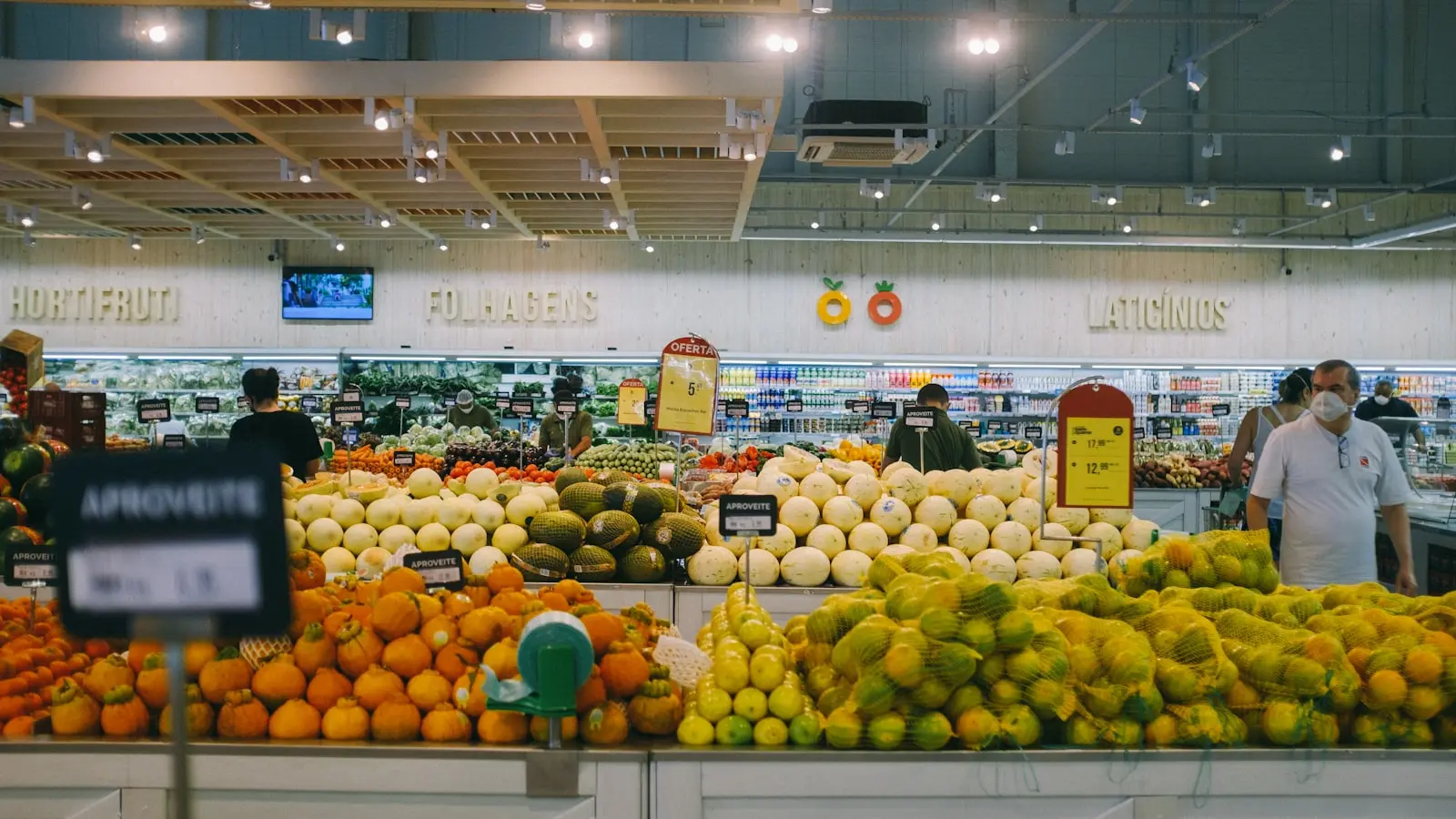
Inflationary pressures have transformed the grocery aisle from a routine chore into a high-stakes arena of financial management. When household food spending hits record highs, the grocery receipt becomes a primary diagnostic tool for assessing personal liquidity. Data indicates that impulsive purchases, often triggered by the high-friction environment of the checkout counter, account for the largest percentage of budget overages. (The psychological architecture of a retail store is designed to extract surplus capital, not to save it.)
Auditing the Inventory
Efficient resource allocation begins with a rigid audit of existing pantry stock. Approximately 30% of average household food expenditure is effectively discarded through waste, a figure that signals a systemic failure in inventory management. Families that implement a weekly audit of dry goods and perishables drastically reduce the likelihood of redundant purchases.
- Establish a weekly Sunday inventory cadence.
- Prioritize the consumption of goods nearing expiration.
- Maintain a persistent list of staples that must remain stocked.
This isn’t merely about organization; it is about creating a baseline of necessity. If the pantry is known, the shopping list remains focused. The aim is to eliminate the ‘browse-and-buy’ behavior that leads to unnecessary volume.
The Digital Barrier Strategy
Personal finance experts suggest that physical proximity to products drives impulse decisions. The ‘digital shopping list’ method serves as a firewall against these urges. By curating a cart online and locking the selection before entering the brick-and-mortar environment, a consumer creates a rigid commitment device. (The impulse purchase is neutralized before the store lights even flicker overhead.) This technique forces a separation between the desire for food and the logistical act of acquisition.
Strategic Bulk Buying and Batch Cooking
Volatility in produce pricing necessitates a shift toward seasonal purchasing. Freezer meal prepping represents a core tactic in this effort, allowing households to secure proteins and vegetables during their lowest seasonal price points. Instead of paying premium prices for off-season ingredients, the budget-conscious household secures supply when the market is over-saturated and prices are depressed.
For a family of four, the transition to store-brand generics and frequenting discount retailers such as ALDI or WinCo can yield savings of up to $2,000 annually. This is not a marginal shift; it is a fundamental reconfiguration of the domestic economy.
| Strategy | Estimated Impact | Primary Benefit |
|---|---|---|
| Weekly Pantry Audit | 15-20% Savings | Reduced food waste |
| Digital Cart Locking | 10-15% Savings | Elimination of impulse buys |
| Seasonal Freezer Prep | 20% Savings | Price-point arbitrage |
The Shift in Habit
The culture of grocery shopping must evolve from a leisure activity to a logistics exercise. When households prioritize inventory flow over retail convenience, they reclaim control over their financial trajectory. (The grocery store thrives on spontaneity; the prudent consumer thrives on the inverse.) Ultimately, the goal is not to endure deprivation, but to maximize the utility of every dollar spent on caloric intake. Efficiency is the new standard of domestic sustainability.