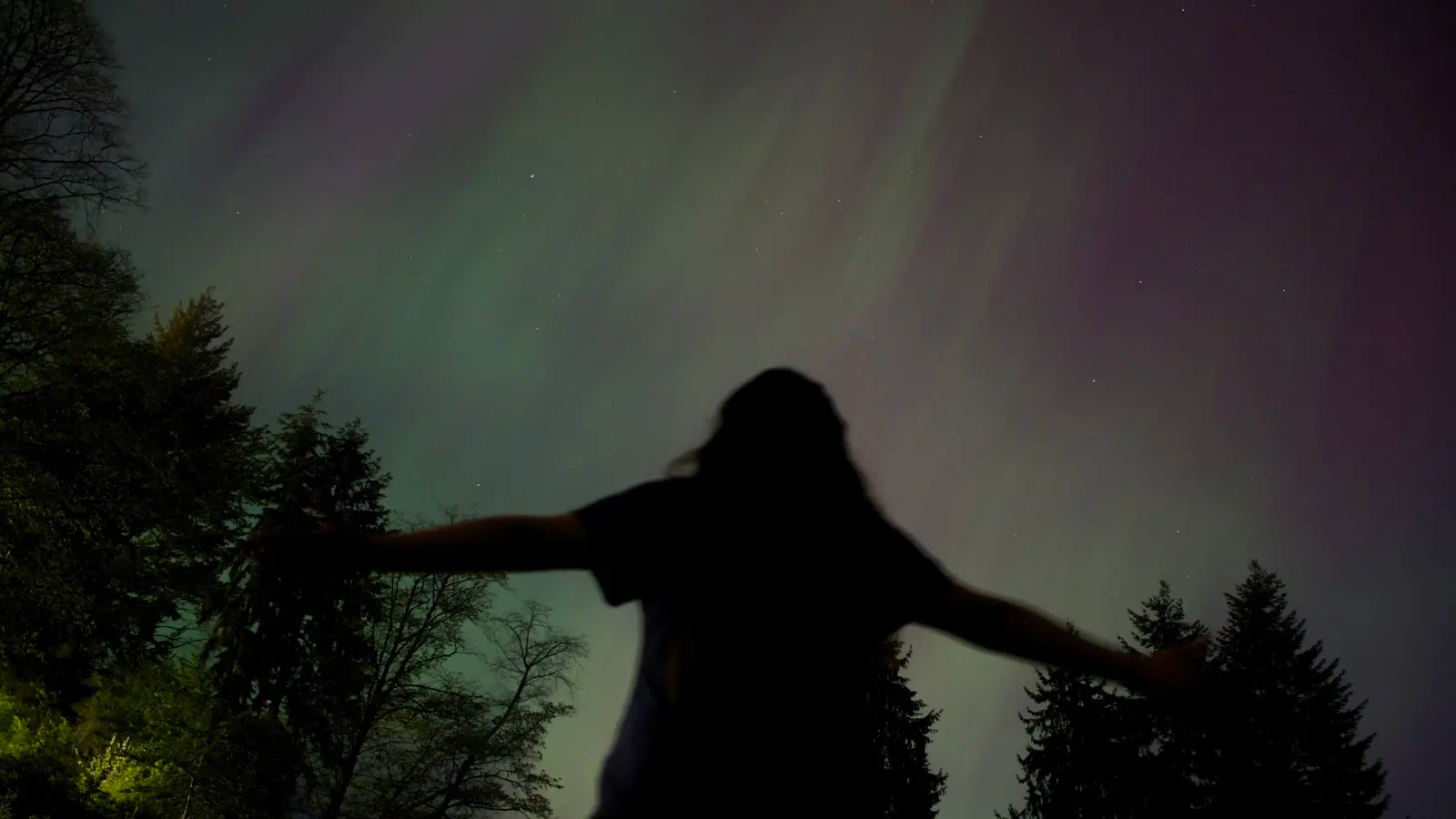

The transition of the sun into its solar maximum phase is changing the calculus for skywatchers globally. As we move through 2026, the frequency of coronal mass ejections (CMEs) has surged, creating a period of heightened geomagnetic activity that makes the Aurora Borealis more visible than it has been in over a decade. For those planning expeditions to high-latitude regions like Tromsø, Norway, the technical threshold for success relies on the interplay between solar physics and local atmospheric conditions.
At its core, the Northern Lights occur when charged solar particles collide with the Earth’s magnetosphere. These particles ionize gases in the upper atmosphere, producing the iconic ribbons of light that define the Arctic night. Success in witnessing this phenomenon is typically measured by the Kp-index, a scale representing geomagnetic storm levels. A rating of 4 or higher is generally considered the baseline requirement for reliable observation at these latitudes. (Is that enough to guarantee a display? Hardly.)
Monitoring Solar Activity
To increase the probability of success, observers must look beyond the naked eye. Real-time satellite data provides critical monitoring of the solar environment. When a CME releases a massive cloud of plasma, it travels through space until it interacts with our planet’s protective magnetic field. The lag time between the release of these particles and their arrival on Earth offers a window of approximately 18 to 72 hours for prediction. During the current solar maximum, these events are occurring with unprecedented regularity, resulting in more intense and more frequent auroral displays.
The Hidden Obstacle of Cloud Cover
While solar data is essential, seasoned astronomers argue that local weather patterns are the true deciding factor. One could have a Kp-index of 9, signaling a massive geomagnetic storm, yet see absolutely nothing if the sky is obstructed by clouds. Many travelers make the mistake of focusing exclusively on solar forecasts while ignoring the meteorological reality of the Arctic. Relying on high-resolution local weather modeling is often more important than the Kp-index itself. The primary hurdle for any photographer or enthusiast is not a lack of solar activity, but rather the atmospheric moisture that creates cloud cover over the viewing zone. (Frankly, a clear sky at a Kp-2 is superior to a blizzard at a Kp-8.)
Strategic Planning for Observers
To maximize chances, expeditions should focus on three technical pillars:
- Latitude Optimization: Stay within the auroral oval, typically found at latitudes near 65 to 72 degrees north.
- Light Pollution Management: Secure locations at least 30 miles from urban centers to minimize artificial light interference.
- Integrated Forecasting: Sync satellite-derived solar wind speed and density data with localized micro-climate forecasts to identify clear-sky windows.
The Impact of the Solar Maximum
The sun operates on an 11-year cycle, and the current peak is generating a higher volume of solar energetic particles than previous cycles. This shift means that the auroral oval—the ring where the lights are most intense—periodically expands toward lower latitudes. For researchers at the Arctic Research Laboratory, this represents a unique opportunity to gather high-fidelity data on atmospheric ionization. For the traveler, it means that even if one misses the optimal window in Tromsø, the likelihood of a secondary display appearing shortly thereafter is statistically much higher than it was during the solar minimum of recent years.
Ultimately, the hunt for the Northern Lights remains a pursuit of precision. It is a game of probability. By synthesizing global solar event tracking with hyper-local cloud-cover predictions, the observer moves from passive hoping to active forecasting. As the solar maximum continues to influence geomagnetic conditions throughout the remainder of 2026, the window of opportunity remains wide, provided one respects the limitations of Earth’s own weather systems.