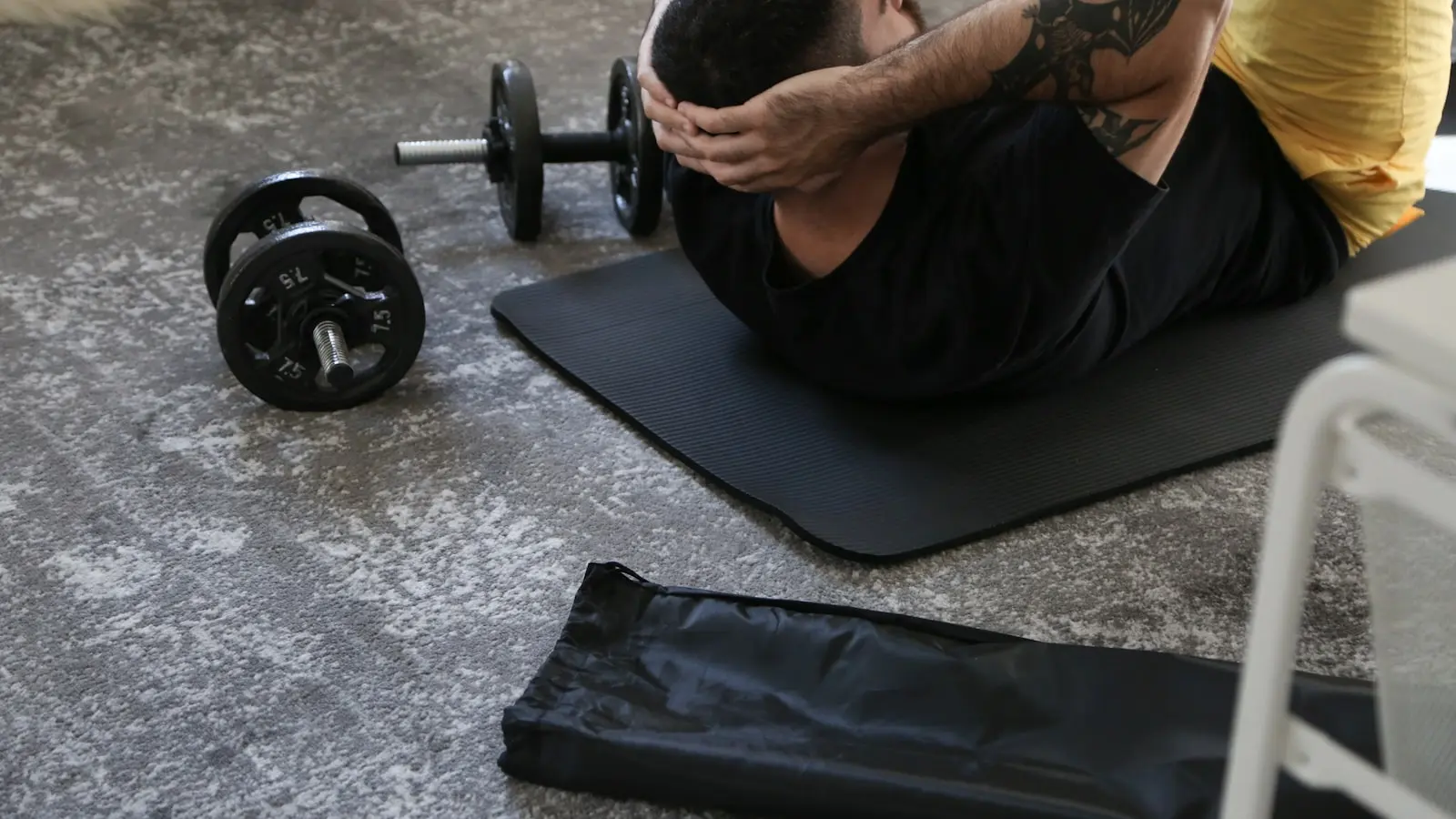

High-intensity interval training (HIIT) pushes the human body into a metabolic red zone. When athletes sustain efforts at 85-95% of their maximum heart rate, the physiological cost is not merely localized muscle fatigue; it is a profound strain on the central nervous system (CNS). The challenge for the modern athlete is clear: performance gains are captured in the interval, but they are solidified in the recovery window. When the nervous system remains in a state of fight-or-flight long after the final rep, systemic failure becomes a matter of time. (It is rarely a question of if, but when.)
The Mechanics of Metabolic Clearance
Post-exercise, the accumulation of metabolic byproducts creates an environment hostile to immediate repeat performance. Research indicates that the standard “sit and recover” approach is inefficient. Instead, active recovery protocols—specifically movement at 30% of maximum effort—serve as a mechanical pump. By maintaining low-level blood flow, athletes can accelerate the clearance of lactate and other metabolic debris from the musculature within a 45-minute post-session window. This active flush reduces the potential for delayed onset muscle soreness (DOMS) that typically hampers secondary sessions. The data is clear: movement is medicine when calibrated correctly.
Strategic Nutrient Timing
Recovery is also an exercise in precise biochemical replenishment. The window for muscle protein synthesis is narrow, and the demand post-HIIT is high. Physiologists suggest a targeted intake of 0.4 grams of protein per kilogram of body weight immediately following high-intensity work. This specific dosage is designed to initiate muscle fiber repair without overwhelming the gut during a period of reduced sympathetic nervous system activity. Failing to meet this threshold turns a necessary training stimulus into a catalyst for muscle wasting. (Hardly the intended outcome of a grueling session.)
The Role of Cold Water Immersion
Cold water immersion (CWI) remains a contentious but effective tool in the recovery arsenal. By inducing vasoconstriction, CWI minimizes inflammatory responses and tempers the core temperature spike inherent to HIIT. While the psychological barrier to entering a 10-degree Celsius bath is high, the physiological benefit of mitigating systemic inflammation is statistically significant. It is a tactical intervention that resets the body’s internal thermostat and readies the CNS for the demands of the following day.
Monitoring the Internal Load
Individualization is the final variable in the equation. Blanket recovery protocols often fail because they ignore the variance in baseline capacity. Elite training programs have shifted toward granular data tracking, specifically utilizing heart rate variability (HRV) and comprehensive sleep metrics. If an athlete’s HRV drops significantly, the central nervous system is signaling that it has not reconciled the stress of the previous session. In these instances, the training load must be adjusted. Ignoring this data in favor of a rigid schedule is the quickest route to chronic overtraining syndrome and performance plateaus.
| Recovery Metric | Protocol Requirement | Expected Outcome |
|---|---|---|
| Active Recovery | 30% Effort | Metabolic byproduct clearance |
| Protein Intake | 0.4g / kg body weight | Muscle protein synthesis |
| Thermal Regulation | Cold Water Immersion | Inflammation suppression |
| Load Monitoring | HRV tracking | CNS readiness adjustment |
Avoiding the Performance Trap
Most training cycles collapse not because of an inability to work hard, but because of an inability to rest intelligently. When athletes ignore the signs of CNS fatigue—erratic sleep, declining power output, or prolonged soreness—they are essentially driving a car with a cracked engine block. The numbers do not lie. If the recovery protocol is not as rigorous as the training itself, the performance gains will dissipate. The objective is consistency over time, not a flash of intensity followed by a month of injury-related downtime. (Treat recovery with the same respect as the work.)