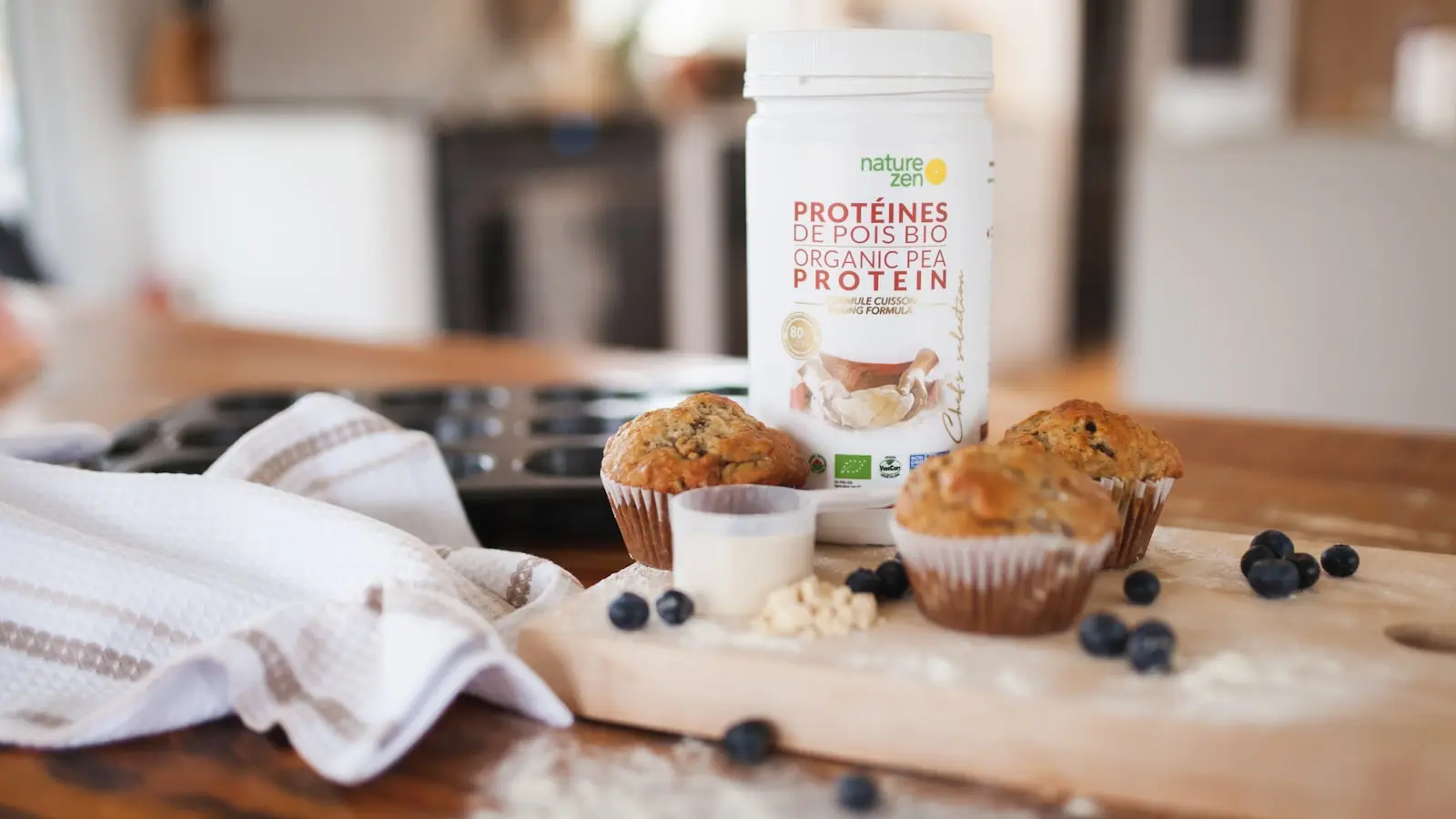

The Shift Toward Precision Hypertrophy
The landscape of sports nutrition has pivoted from the outdated ‘dirty bulk’ paradigm toward a more surgical approach focused on lean mass accrual. Recent data published in the March 2024 Journal of the International Society of Sports Nutrition confirms that haphazard caloric intake is suboptimal for long-term physiological health. Instead, hypertrophy is best achieved through a calculated, structured energy surplus, allowing the body to prioritize muscle protein synthesis (MPS) while minimizing unnecessary adipose tissue accumulation. (A welcome correction to the industry status quo.)
Establishing the Protein Threshold
Protein serves as the fundamental substrate for muscle repair. Research consistently indicates that a daily intake between 1.6 and 2.2 grams per kilogram of body weight is the optimal range for muscle accretion. Deviating below this range risks insufficient substrate for repair, while exceeding it offers diminishing returns for most natural athletes. Prioritizing high-leucine, lean sources such as chicken breast, Greek yogurt, and legumes ensures a complete amino acid profile necessary to trigger the mTOR pathway, the primary molecular regulator of cell growth.
The Logic of the Lean Surplus
Managing body composition requires a caloric surplus, but the scale of that surplus is often misunderstood. Aiming for an excess of 250 to 500 calories per day provides sufficient energy to support high-intensity training and anabolic processes without triggering excessive fat storage. This ‘lean bulk’ strategy is sustainable, allowing for consistent training performance over extended periods. If the surplus is too aggressive, the physiological cost—increased fat mass and potential systemic inflammation—eventually outweighs the marginal gains in muscle size.
Optimizing Nutrient Timing
While total daily intake remains the primary driver of growth, timing can serve as a catalyst for efficiency. The 1 to 2-hour window following resistance training is critical for maximizing MPS. Providing the body with high-quality protein during this period aligns with the body’s heightened sensitivity to anabolic signals. However, protein alone is insufficient; complex carbohydrates must be paired with post-exercise nutrition to replenish glycogen stores and stabilize hormonal responses. (It is rarely just about protein.)
The Often-Overlooked Micronutrient Gap
Athletes frequently focus on macronutrient arithmetic while neglecting the micronutrient foundation required for metabolic and hormonal health. Intense training blocks increase systemic stress, demanding higher intake of:
- Leafy Greens: Essential for magnesium, vitamin K, and folate which regulate inflammation.
- Healthy Fats: Necessary for the synthesis of cholesterol-derived hormones, including testosterone.
Failing to integrate these elements leads to impaired recovery efficiency. When the internal metabolic environment is compromised by micronutrient deficiencies, the efficacy of the protein and carbohydrate protocol is significantly diminished.
Practical Application Strategies
To apply these findings effectively, athletes should structure their dietary approach through these objective parameters:
| Nutrient Factor | Recommended Strategy |
|---|---|
| Protein Intake | 1.6 - 2.2g / kg body weight |
| Caloric Surplus | 250 - 500 kcal above maintenance |
| Timing | Protein-rich meals within 1-2 hours post-workout |
| Composition | Focus on high-leucine lean proteins and complex carbohydrates |
Maintaining Long-Term Physiological Balance
Ultimately, hypertrophy is a game of consistency, not intensity. The human body does not thrive on extreme metabolic fluctuations. By adhering to a moderate, nutrient-dense protocol rather than chasing rapid weight gain, the athlete fosters a stable hormonal environment. Evidence suggests that the most successful outcomes are achieved when caloric management is treated with the same precision as the training program itself. (The data is clear: discipline in the kitchen is as vital as discipline in the gym.)