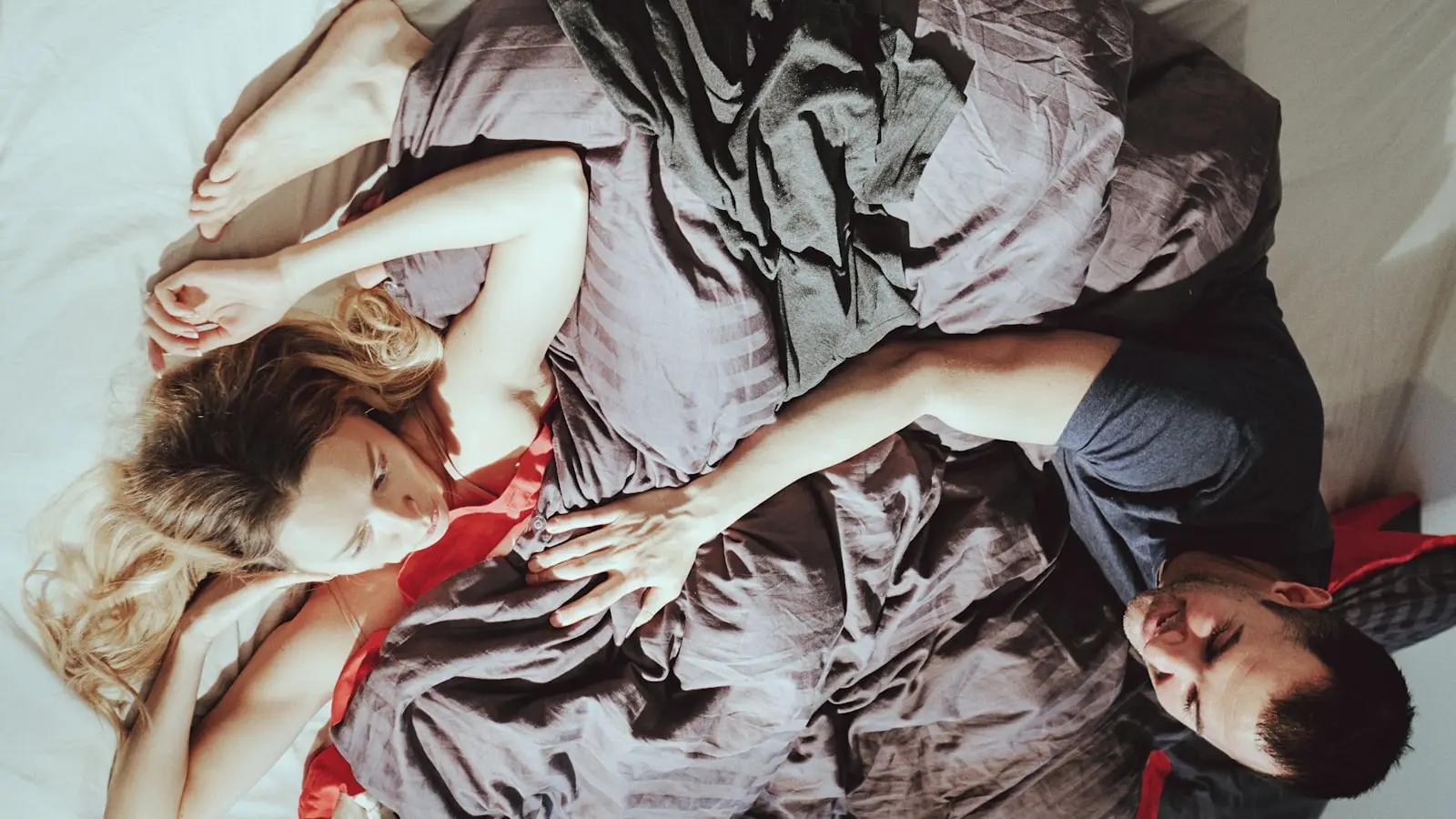
The Biological Necessity of Deep Sleep
Deep sleep, often categorized as slow-wave sleep (SWS), serves as the primary period for physical restoration and memory consolidation. While the pharmaceutical industry aggressively markets over-the-counter sleep aids, clinical research from 2025 indicates that environmental and behavioral interventions often produce more sustainable outcomes. (Is it time to abandon the pill bottle?) By aligning external behaviors with the body’s internal chronobiology, individuals can often mitigate fragmented sleep without exogenous intervention.
Managing the Circadian Rhythm
The circadian rhythm functions as a master clock, regulating the sleep-wake cycle through hormonal signaling. When this rhythm experiences constant disruption—frequently caused by irregular schedules or late-night light exposure—the body struggles to enter deep sleep. Consistency acts as the bedrock of sleep architecture. If the biological clock is erratic, the physiological transitions into restorative sleep stages become less efficient. Data confirms that maintaining a rigid wake-up time, even on weekends, forces the endocrine system to synchronize melatonin production more reliably.
The Impact of Blue Light and Melatonin Suppression
The modern reliance on digital devices presents a significant hurdle for sleep initiation. Exposure to short-wavelength light—commonly emitted by smartphones and laptops—signals to the suprachiasmatic nucleus that it is still daytime. Clinical studies demonstrate that eliminating screen exposure 90 minutes before sleep increases endogenous melatonin production by approximately 25%. This is a significant margin for anyone seeking to improve sleep latency naturally. (Frankly, the phone is the primary antagonist here.) By restricting device use, one removes the artificial inhibitory signals that prevent the onset of deep sleep.
Thermal Regulation as a Catalyst
Physiological cooling is a prerequisite for entering the deepest stages of sleep. The body must drop its core temperature to initiate the transition from wakefulness to non-REM cycles. Research indicates that keeping the bedroom environment between 60 and 67 degrees Fahrenheit (15-19 degrees Celsius) creates the optimal gradient for this heat loss. When the room remains too warm, the body remains in a state of hyperarousal. This prevents the heart rate and core temperature from descending to the necessary levels for deep, restorative sleep. It is a matter of physics, not comfort.
Nutritional Timing and Fragmentation
Dietary habits directly influence the stability of sleep cycles. Alcohol is a common culprit in the disruption of REM and deep sleep stages, even if it appears to aid in the initial sedation. Although alcohol may decrease the time it takes to fall asleep, it consistently causes fragmented cycles and increases the frequency of nighttime awakenings as the substance is metabolized. Evidence suggests that eliminating alcohol consumption four hours before bedtime removes this chemical barrier to sleep continuity.
Practical Application
To optimize sleep hygiene, consider the following evidence-based approaches:
- Scheduled Darkness: Cease blue light-emitting device use 90 minutes prior to intended sleep.
- Thermal Control: Maintain ambient room temperature between 60-67 degrees Fahrenheit.
- Metabolic Pacing: Cease alcohol consumption a minimum of four hours before lights out.
- Consistency Mapping: Align wake-up times to within 30 minutes every day to anchor the circadian rhythm.
Debunking the Myth of Passive Improvement
There is a common misunderstanding that one can ‘catch up’ on sleep or that specific supplements can override a dysfunctional environment. Experts at Stanford University emphasize that sleep architecture does not respond to intermittent optimization. (Consistency is the only metric that matters.) For the average individual, the noise of health trends—weighted blankets, sound machines, or complex supplement stacks—often distracts from the core pillars of thermoregulation and light management. While these tools may provide psychological comfort, they do not replicate the efficiency of a well-aligned circadian rhythm. Focus on the basics, as they are the primary levers of human physiology.