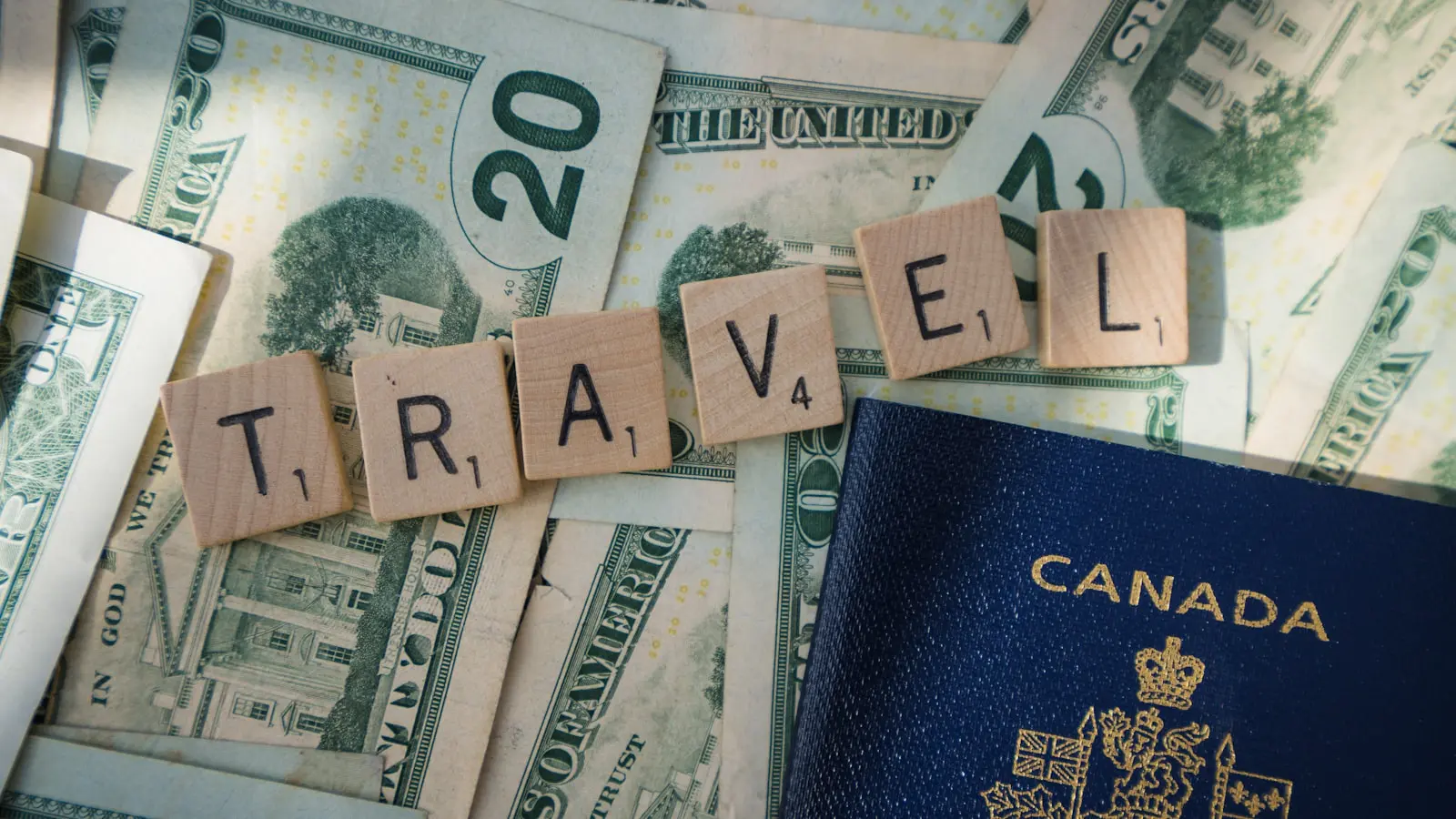

The dream of an extended European sojourn often dies on the altar of daily expenses. When the initial excitement of arrival meets the cold reality of a depleted bank account, the itinerary shrinks. Data from the Global Nomad Financial Report released in January 2025 indicates that the threshold for a sustainable long-term trip hovers between $120 and $150 USD per day. Maintaining this velocity requires a departure from tourist-centric habits toward a model of local immersion. (It is, quite frankly, the only way to avoid an early flight home.)
The Architecture of Affordable Lodging
The most significant drain on a traveler’s capital is the nightly rate. While high-end hotels offer convenience, they consume equity better spent on experiences. Opting for centrally located guesthouses serves as a strategic compromise. These spaces provide proximity to transit hubs without the overhead of corporate hospitality. When a traveler secures a modest, well-managed guesthouse, they purchase not just a bed, but time. The objective is to anchor the base of operations within walking distance of public transport. In cities with robust infrastructure like Madrid or Berlin, this decision eliminates the recurring tax of private taxis and ride-share apps entirely. Savings here compound daily.
Tactical Spending and Daily Nutrition
Dining represents the largest variable in any budget. The trap of the café-lined plaza is real. Travelers who dine at tourist-heavy establishments pay for the view rather than the sustenance. The transition to local-centric spending involves utilizing supermarket-provided breakfasts. A piece of local fruit, fresh bread, and espresso consumed in a communal kitchen provides a sensory grounding that a hotel buffet lacks. It also preserves funds for a singular, high-quality dinner later in the day.
Regarding exploration, the expensive guided bus tour is a relic of an inefficient era. Free walking tours, often led by local enthusiasts, offer a deeper, more textured understanding of urban history. They bypass the commercial spectacle in favor of nuance. If the tour is excellent, a modest tip suffices, yet the cost remains a fraction of traditional excursions.
Managing the Psychological Toll of Austerity
Rigid fiscal discipline acts as a double-edged sword. While it extends the calendar, it creates a fatigue that can sour the entire experience. Financial advisors specializing in nomadic lifestyles argue that strict austerity often leads to the eventual abandonment of travel goals. The solution lies in the creation of a dedicated “fun budget.” This is a designated reserve for spontaneous expenditures—a ticket to an obscure concert, a glass of regional wine in a non-tourist neighborhood, or a sudden change in plans. (Without this safety valve, the vacation turns into a chore.)
Essential Strategies for Long-Term Travel
| Expenditure Category | Strategy | Impact on Budget |
|---|---|---|
| Accommodation | Modest Guesthouses | High savings on base rate |
| Transport | Public Transit Hubs | Elimination of taxi reliance |
| Nutrition | Supermarket Breakfasts | Reduces daily food overhead |
| Sightseeing | Free Walking Tours | Replaces commercial excursions |
Navigating Eurozone Inflation
Inflation has fundamentally altered the math of the Eurozone. Planning a trip for more than two weeks is no longer a matter of simple arithmetic but of active management. Modern travel requires precise cost-tracking applications and a flexible booking posture. When a traveler monitors every Euro in real-time, they identify patterns of waste. Does the coffee shop daily double-dip on prices? (Usually.) Is the booking window optimized for mid-week travel? By treating a European vacation like an active financial portfolio, the duration of the stay expands. It is not merely about spending less; it is about spending with intention. The goal is endurance, not endurance testing.