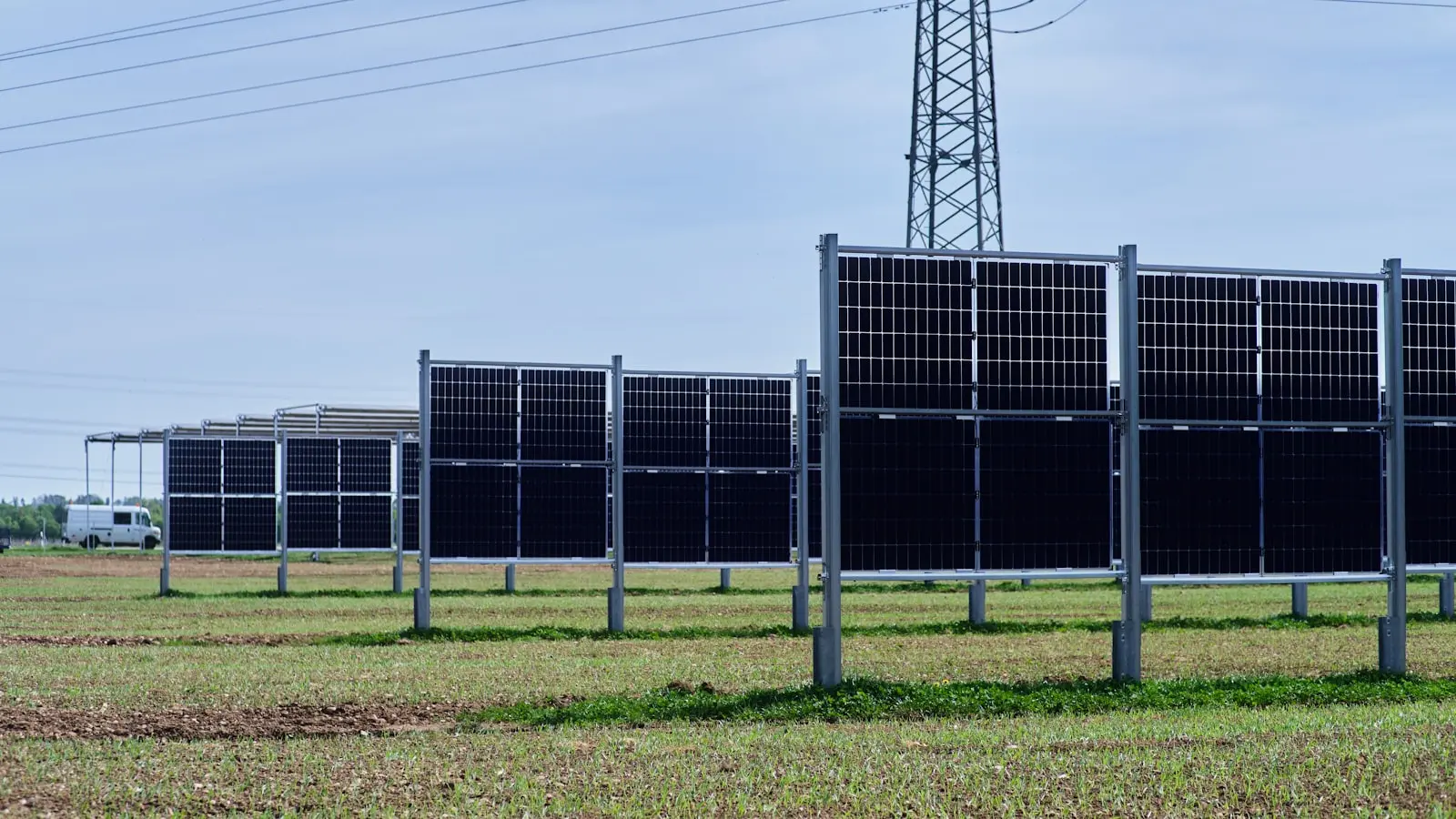

The global energy transition is no longer a theoretical exercise confined to academic journals. It has materialized as a massive industrial pivot fueled by trillions in capital expenditure and aggressive policy shifts like the United States Inflation Reduction Act. The numbers are bracing. Projections indicate the renewable sector will generate over 500,000 new jobs by 2030, covering everything from grid-scale battery storage to solar photovoltaic installation. (The scale is staggering.) Investors and job seekers alike are currently maneuvering to capture value from this shift. To participate, one must move past the hype and analyze the structural requirements of the market.
Identifying Viable Points of Entry
Entry into green energy is not a monolith. The market requires a tiered approach, categorized by technical requirement and operational impact. For those aiming for high-level project management or grid optimization roles, a formal academic foundation remains the standard. A bachelor”s degree in engineering or environmental science acts as the primary gatekeeper for mid-to-senior level transitions. These roles require the ability to interpret complex environmental data and synthesize it into actionable business strategy for stakeholders. (Can you explain a kilowatt-hour to a CFO?)
However, the field is experiencing an acute supply-demand imbalance in tactical labor. Companies are prioritizing speed of deployment over pedigree. Vocational certifications in solar PV installation and electrical systems have shifted from “nice-to-have” to essential credentials. The market is currently placing a premium on individuals who can perform immediate field labor without significant onboarding lag.
The Role of Strategic Networking
Academic qualifications and vocational badges are merely the barrier to entry. Industry placement data indicates that professional networking serves as the primary mechanism for career mobility in this sector. Organizations like the Solar Energy Industries Association (SEIA) are not just social clubs; they are hubs for capital flow and hiring intent. Engaging with these entities allows a professional to identify where the labor demand is tightening before it manifests in public job postings.
Skills That Command a Premium
While technical literacy is a prerequisite, the most sought-after quality in management-level applicants is the ability to bridge the gap between technical complexity and stakeholder comprehension. Green technology is often opaque. The ability to communicate the financial risks of grid instability or the ROI of specific energy assets to non-technical partners is the most valuable currency in the current labor market.
Analyzing Market Forces
Renewable energy has transitioned from a niche, subsidy-reliant industry into a cornerstone of the global economy. This shift has fundamentally altered the risk-reward profile for workers. Stability is no longer found in traditional utility roles alone; it is being found in the rapid expansion of solar, wind, and storage infrastructure projects.
Investors look for three things when assessing a company in this space:
- Technical Execution: Can the firm build on time and under budget?
- Policy Alignment: Is the business model optimized for current tax incentives?
- Grid Integration: Does the project solve a bottleneck in the regional energy supply?
For the professional, aligning your career trajectory with these three metrics is the only reliable way to ensure long-term viability. As capital continues to flow into these projects, the competition for talent will become increasingly sophisticated. Avoid the trap of seeing this sector as purely philanthropic. It is a capital-intensive, high-stakes competition for energy dominance. (It is not a trend; it is a replacement strategy.) Those who focus on the practical, data-driven, and high-demand aspects of the sector will find themselves in a position of significant leverage as the decade progresses.