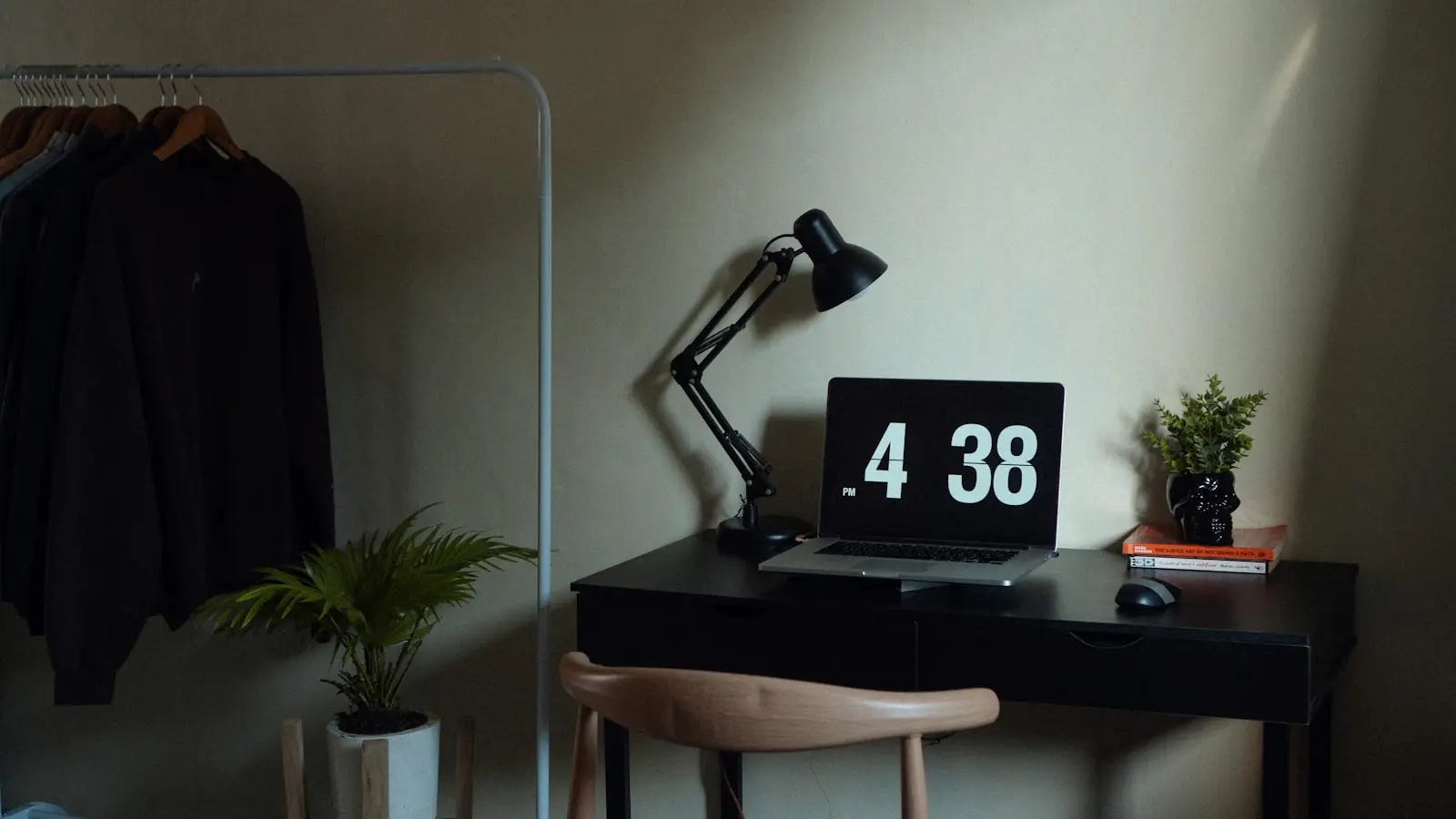

The architecture of a home office dictates the rhythm of the work day. When remote work shifted from a temporary necessity to a permanent structure for over 40% of the workforce, the transition revealed a systemic failure in DIY workspace design. Employees moved from controlled, ergonomically verified environments into makeshift setups, resulting in a wave of chronic physical strain and cognitive burnout. (The lack of deliberate space design is the primary culprit here.)
The Economic Reality of Ergonomic Choices
Productivity is rarely found in the latest high-tech gadgets or aesthetic upgrades. The Ergonomics Council identifies chair quality and lighting as the dual pillars of a sustainable workspace. A stable monitor stand, for instance, reduces ocular fatigue by 30%. This physiological relief translates directly into extended focus duration during an eight-hour shift. When the eyes stop struggling, the brain stops wandering.
Budget-conscious professionals have identified a significant arbitrage opportunity in office furniture. Commercial-grade chairs, which are built to survive decades of continuous use, often depreciate rapidly in the secondary market. A chair retailing for $800 new can frequently be sourced for $150 refurbished. These units offer lumbar support and adjustability that consumer-grade “gaming” chairs simply cannot replicate. (Do not be fooled by neon lights and racing-style buckets.)
Zoning and the Psychology of Space
Physical hardware is only half of the equation. Design experts suggest that the “zoning” of a workspace holds more psychological weight than the specific brand of furniture. By segmenting the home into areas dedicated strictly to labor, the brain develops a Pavlovian response to the environment. The space itself signals the transition into high-intensity work mode.
Community feedback from remote work forums consistently reinforces a shift toward simplicity. Modular lighting systems and aggressive cable management are frequently cited as providing greater long-term productivity boosts than expensive peripherals or vanity desk accessories.
| Feature | Productivity Impact | Priority Level |
|---|---|---|
| Refurbished Commercial Chair | High | Critical |
| Proper Monitor Height | High | Critical |
| Modular Lighting | Medium | Important |
| Cable Management | Medium | Important |
| Aesthetic Gadgets | Low | Optional |
Why Gadgetry Fails the Long-Term Test
The instinct to solve productivity slumps with new hardware is often misplaced. When the workspace is cluttered with redundant cables and poorly positioned monitors, the friction of simply sitting down to work increases. A minimalist, ergonomically sound setup removes these micro-barriers. If the chair is failing to support the lower back, no amount of software or gadgetry will compensate for the resulting physical distraction. (It is time to audit the desk.)
The evidence is clear. Sustainability in a remote career is built on a foundation of structural comfort, not peripheral flash. By reallocating budgets from vanity upgrades toward commercial-grade support, professionals can mitigate the fatigue that currently plagues the modern workforce. True productivity is quiet, stable, and ergonomic.