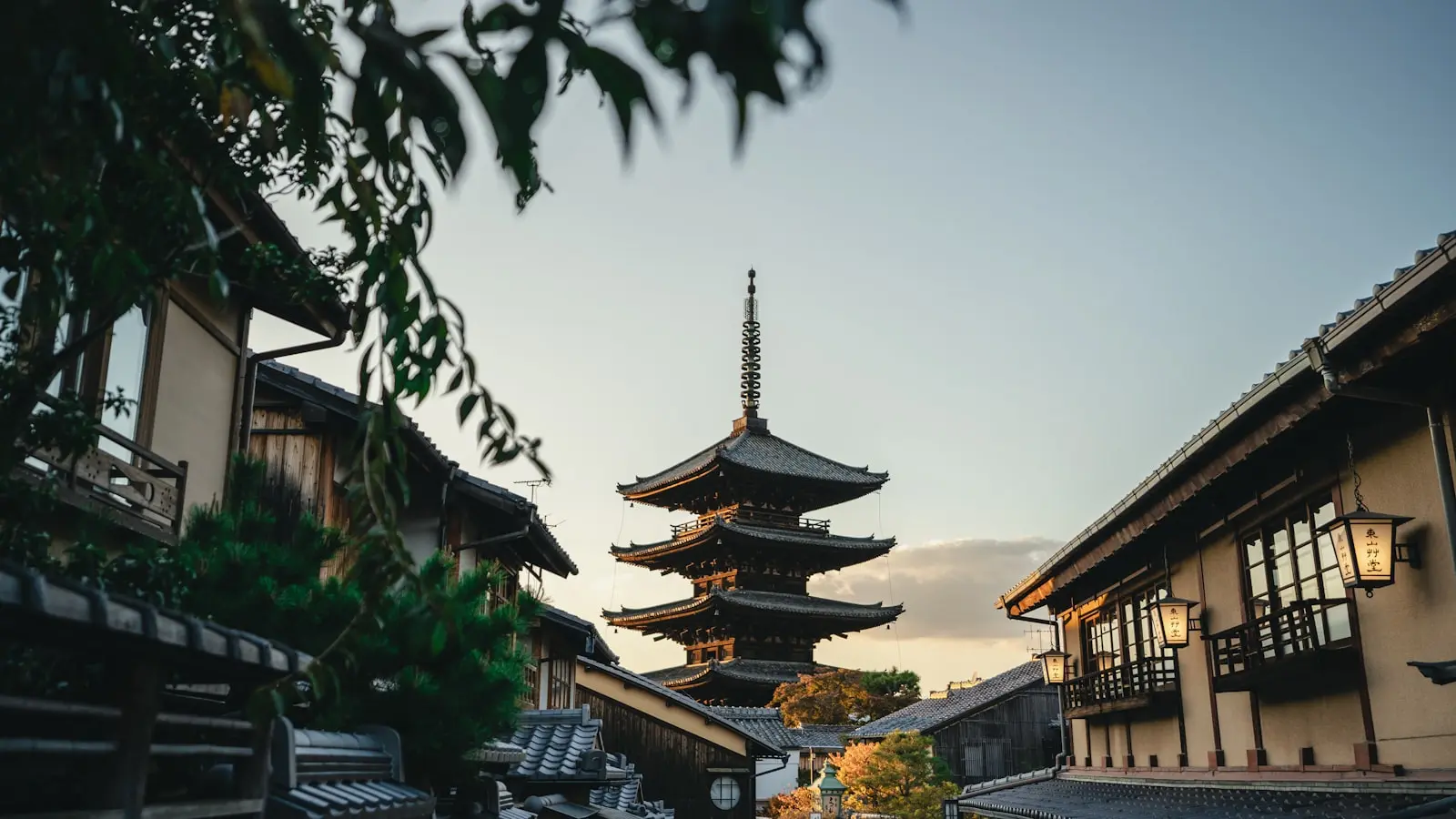

The Logistics of the Japanese Golden Route
The standard 10-day itinerary for Japan remains a cornerstone of the travel industry: two days in Osaka, four in Kyoto, and four in Tokyo. It is a formulaic approach to cultural consumption (the checklist mentality), yet it introduces significant logistical friction. For the uninitiated, the Shinkansen acts as the primary artery connecting these hubs, with a single one-way ticket between Osaka and Tokyo hovering near 14,000 yen. Recent shifts in the Japan Rail Pass pricing—a staggering 70% increase implemented in October 2023—have fundamentally altered the economic calculation for the average tourist. Travelers must now confront a cold reality: is the convenience of an all-access pass worth the premium, or does a pay-as-you-go model offer superior liquidity? (Frankly, the pass has lost its luster for most transient itineraries.)
The Economic and Temporal Reality of Transit
When tourists anchor their plans around the Shinkansen, they often overlook the hidden tax of geographic transition. Kyoto, while aesthetically essential, remains a significant temporal sink. Unlike the hyper-connected veins of Tokyo’s transit network, Kyoto relies heavily on bus systems that struggle under the weight of peak tourist volume. When transit lines gridlock, the experience shifts from cultural immersion to mere queue management. Analysts suggest that the decision to traverse between these cities is not merely a financial choice, but a trade-off against depth of experience. If one arrives in Kyoto only to spend three hours navigating transit to a single shrine, the value of the trip degrades rapidly.
Evaluating the Cost of Immersion
Modern travel reporting suggests a pivot toward intentionality. The consensus among experienced travelers is that rushing through the Golden Route triggers a specific type of exhaustion. The fatigue is not physical; it is an informational overload. To mitigate this, consider the following strategic adjustments:
- Regional Consolidation: Instead of chasing the full checklist, focus on a single region to maximize time spent outside of transit hubs.
- Strategic Base-Camping: Use one hotel as a primary hub for an entire region, reducing the mental overhead of packing and constant relocation.
- Local Transit Optimization: Prioritize walking or bicycle rentals in Kyoto to bypass the reliance on congested public bus networks.
Is the Checklist Still Relevant
The persistent pressure to visit Osaka, Kyoto, and Tokyo within ten days often stems from social media-driven FOMO. However, the physical reality of these spaces suggests that deep immersion yields higher utility. A traveler spending ten days solely within the greater Tokyo area experiences a city that shifts its identity every few blocks, from the sterile glass of Shinjuku to the hidden, quiet shrines of Yanaka. Conversely, the split-itinerary approach forces a superficial encounter with each location. (Is it really travel if the entirety of your experience is the inside of a train carriage?)
Strategic Recommendations
When planning, weigh the logistical cost against the desired outcome. If the goal is architectural or historical appreciation, Kyoto requires time, not just visits. If the goal is sensory input, Osaka provides the most efficient return on investment for food-based travel. The current market reality dictates that unless a traveler plans to utilize the high-speed rail daily, individual point-to-point tickets will almost certainly outperform the revamped Japan Rail Pass. Efficiency is not merely about speed; it is about reducing the friction between the traveler and the environment. By thinning the itinerary, one adds depth to the experience, transforming a standard transit-heavy trip into a localized study of space, design, and culture.