
The Shift Toward Mechanical Optimization
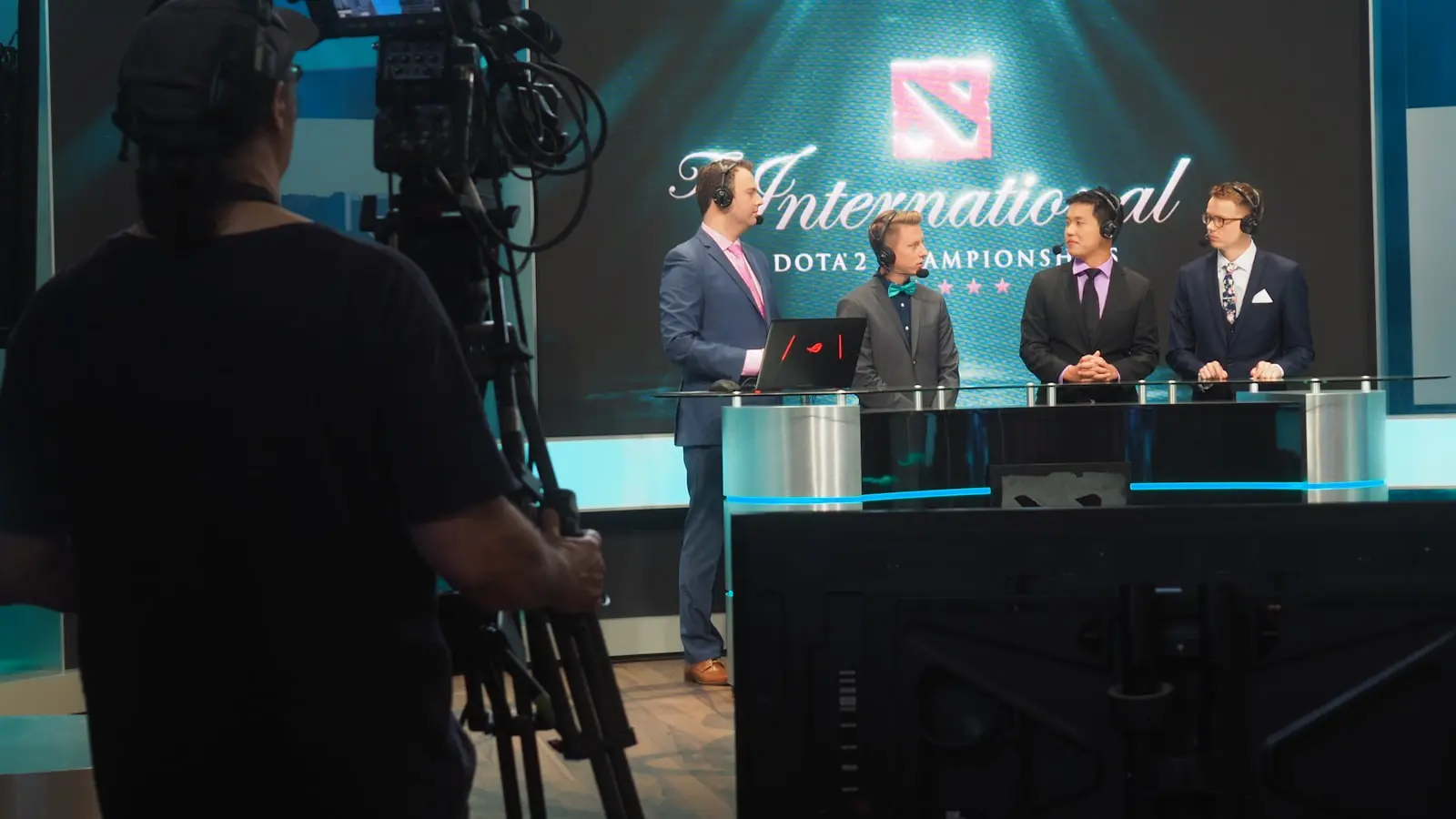
The digital arena has undergone a radical transformation. What was once the domain of casual lobby dwellers has crystallized into a high-stakes, data-centric industry. Competitive gaming no longer relies on intuition alone. Modern esports athletes now operate within rigid, 8-hour daily training blocks that mirror the schedule of any premier league football club. (It is a grind that challenges the very notion of play.)
The Technological Arms Race
Hardware serves as the foundation for this professional evolution. The move toward 360Hz monitors is not a matter of visual fidelity; it is a tactical necessity designed to shave milliseconds off reaction times. In a landscape where fractions of a second determine the outcome of million-dollar prize pools, equipment is essentially a form of performance-enhancing infrastructure. Input devices are now highly specialized, calibrated to the unique ergonomic requirements of the individual player.
Building the Athletic Framework
Professional teams have moved far beyond a simple collective of skilled players. Today, the organizations supporting these individuals include dedicated coaching staffs, nutritionists, and performance psychologists. This support structure is critical for managing the intense performance anxiety inherent in tournament play.
- Mechanical Aim Drills: Focused, repetitive training to build muscle memory.
- Team Tactical Analysis: Deep-dives into positioning inefficiencies.
- Mental Conditioning: Protocols to address the psychological toll of high-pressure environments.
Analysts act as the architects of these squads, meticulously reviewing game replays to extract data points that a human eye might miss. The goal is the elimination of suboptimal behavior. (Does this level of scrutiny kill the spirit of the game?)
Industry Economics and Cultural Tension
The professionalization of esports is inextricably linked to the rise of streaming platforms like Twitch and YouTube Gaming. These outlets brought audience scale, which in turn brought the capital necessary to sustain full-time careers. The infrastructure now seen in teams mimics the corporate and operational standards of traditional sports organizations.
Industry veterans frequently cite the loss of spontaneous enjoyment as a side effect of this hyper-optimization. They argue that the pressure to perform at peak capacity at all times turns a passion into a volatile workplace. However, the players themselves highlight a different reality. The industry argues that these professional standards are the only mechanism currently capable of protecting mental health and ensuring long-term career viability in an environment that demands constant excellence.
The Future of Performance
Ultimately, esports has crossed the threshold into a domain where success is manufactured rather than discovered. As teams continue to integrate biometric data and advanced analytics into their daily routines, the gap between the casual user and the professional athlete will only widen. The transformation is complete. Esports is no longer a hobby. It is a rigorous, demanding, and highly disciplined athletic career.