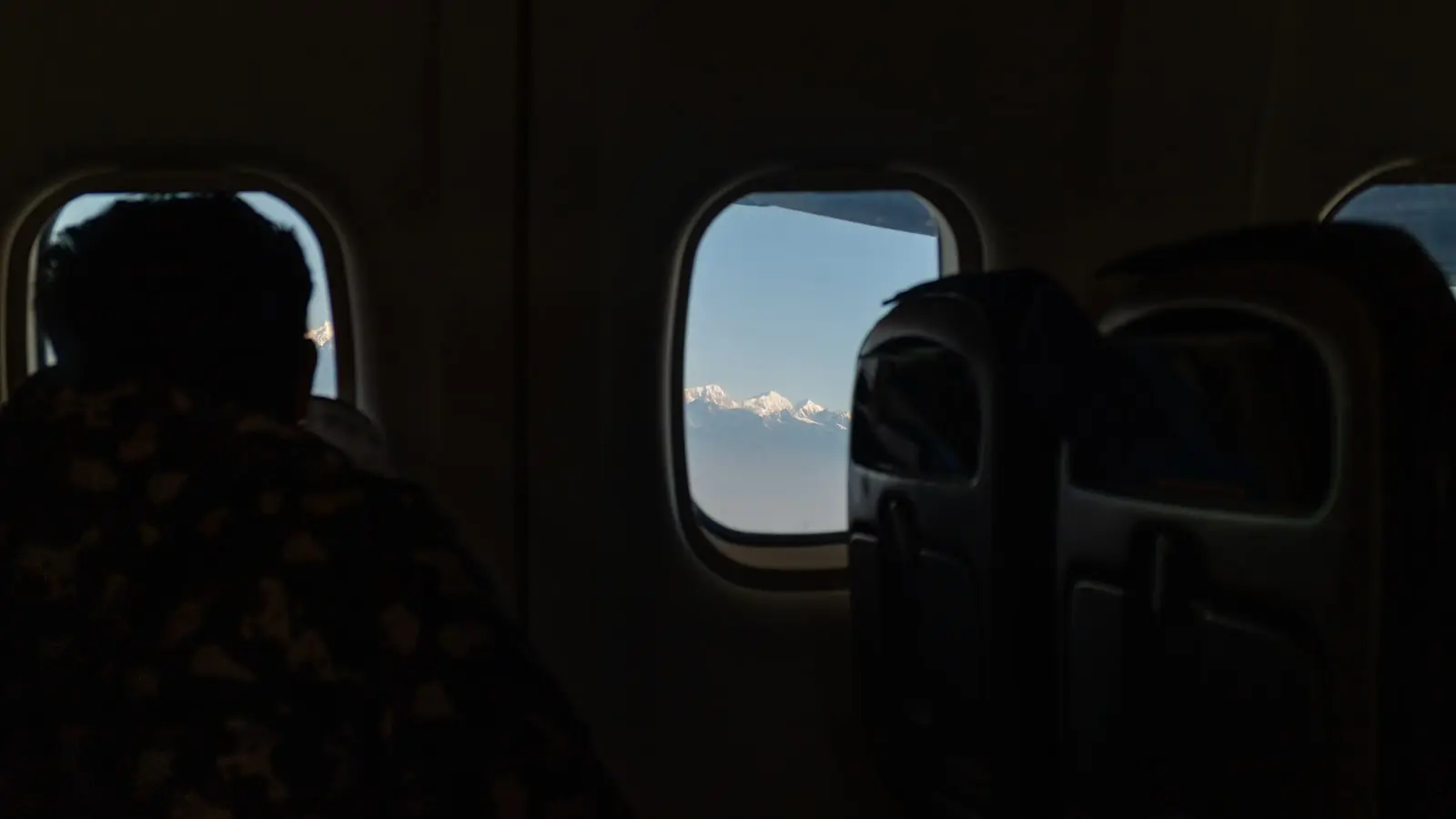
Clinical chronobiology research emerging from institutions like the Stanford University School of Medicine dismantles decades of conventional travel advice regarding transatlantic eastward flights. Travelers crossing five or more time zones from the United States to European hubs typically rely on forced wakefulness and caffeine to force circadian adaptation. Current clinical data indicates this approach fails entirely at a systemic physiological level. Instead, advancing the circadian clock requires precise photic manipulation and metabolic pauses. The core protocol centers on strict light avoidance upon morning arrival followed by intense afternoon exposure, paired with complete caloric restriction during the flight itself. The biology dictates the schedule.
When an individual steps off a red-eye flight at Heathrow at 7:00 AM local time, the typical response involves seeking coffee and daylight. The suprachiasmatic nucleus perceives this early European morning light as late-night Pacific or Eastern time light, depending on the origin location. This specific light exposure signals the brain to delay the circadian rhythm rather than advance it. The traveler effectively pushes their biological clock backward while attempting to move it forward. The result is systemic temporal misalignment. Days of planned itineraries dissolve into severe daytime fatigue and intractable insomnia at the new local bedtime.
Picture passengers dragging luggage across the tarmac at Charles de Gaulle airport under harsh morning sunlight, their biological clocks registering 2:00 AM. Their retinas absorb the blue light spectrum. The brain immediately halts melatonin suppression sequences. They lose the adaptation battle before clearing customs. (This represents a complete failure of chronobiological management). True adaptation requires physical intervention. Travelers must intercept light signals using heavily tinted lenses or eye masks upon exiting the terminal until the biological afternoon arrives.
The Chronobiology of Eastward Compression
The human intrinsic circadian period averages 24.2 hours. Consequently, extending the day through westward travel aligns with baseline biology. The body easily drifts into a later schedule. Compressing the day through eastward travel forces a mechanical phase advance against the natural neurological drift. Pushing the clock forward requires significantly more biological leverage.
The primary zeitgeber regulating mammalian circadian rhythms remains light exposure. The retino-hypothalamic tract transmits photic data directly to the hypothalamus. When flying eastward across the Atlantic, the objective requires advancing the biological clock by up to eight hours. Achieving this phase advance requires targeting specific points on the human phase response curve to light. Exposing the retina to light during the biological core temperature minimum induces a phase delay. Exposing the retina to light immediately after this minimum induces a phase advance. Therefore, timing dictates the physiological outcome. Light operates as a drug. Dose and timing control the effect.
If a traveler departs New York at night and lands in Brussels at 8:00 AM local time, their biological core temperature minimum rapidly approaches. Exposing the eyes to the bright terminal lights or overcast European sky triggers a massive phase delay. The physiological clock anchors itself firmly to the origin time zone. Shielding the eyes from all light until mid-day local time prevents this delay. Following this deprivation with intense afternoon sun exposure forces the phase advance required to synchronize with the new environment.
Photic Manipulation and the Retinal Pathway
The environment inside commercial aircraft presents a specific hazard to circadian synchronization. Aircraft cabin LED lighting frequently peaks in the blue wavelength spectrum around 480 nanometers. This specific wavelength perfectly activates melanopsin-containing intrinsically photosensitive retinal ganglion cells (ipRGCs). Activation of these cells suppresses endogenous melatonin production and signals daytime alertness to the master clock.
Subjecting the retina to these artificial wavelengths during the biological night destroys the body’s natural temperature regulation. Core body temperature must drop to initiate and sustain sleep. Cabin lighting prevents this drop. Utilizing physical light barriers, specifically blackout eye masks, becomes a mandatory biological shield rather than a luxury accessory. The traveler must control the ocular environment completely. Ambient light equals biological disruption.
The Metabolic Pacemaker and In-Flight Fasting
While light regulates the central clock in the brain, peripheral clocks govern digestive organs, muscle tissue, and the liver. These peripheral systems utilize feeding schedules as their primary zeitgebers. Clinical researchers observe that manipulating feeding times accelerates circadian alignment when paired with light exposure protocols. Fasting during the entirety of a transatlantic flight forces peripheral clocks into a suspended state. The gastrointestinal tract halts anticipatory enzyme production.
When food enters the gut during the biological night, postprandial glucose clearance drops significantly. Insulin secretion rhythms misalign with caloric intake, leading to elevated blood sugar and metabolic stress. Eating standard airline meals at 3:00 AM biological time introduces conflicting physiological signals. The brain attempts sleep while the liver attempts complex digestion. Complete metabolic restriction eliminates this conflict.
When the traveler breaks this fast by consuming a high-protein meal at the destination’s standard breakfast time, insulin and glucose responses signal a new dawn to the peripheral tissues. This dual-action approach synchronizes the central neurological clock with the peripheral metabolic systems. Water consumption remains necessary to maintain cellular hydration. Caloric intake remains counterproductive. (The human body requires synchronization, not continuous fueling).
Pharmacological Failures and Sleep Pressure
Analysis of community reports from frequent flyer networks and biohacking forums reveals widespread failure in supplemental interventions. Travelers frequently utilize synthetic melatonin to force sleep upon arrival or during the flight. Exogenous melatonin administration follows a similar phase response curve to light, albeit inverted. Ingesting melatonin at the incorrect biological time exacerbates circadian misalignment.
Reports indicate that inappropriately timed melatonin clearance frequently overlaps with the destination’s morning hours. This pharmacological overlap generates severe grogginess that persists throughout the target day. The biological half-life of synthetic melatonin often outlasts the abbreviated sleep cycles achieved on commercial aircraft. The passenger lands with a suppressed core body temperature and elevated serum melatonin. They cannot function.
Standard behavioral advice insisting that travelers simply stay awake all day fundamentally misinterprets human physiology. Sleep pressure, governed by adenosine accumulation in the basal forebrain, operates independently of the circadian rhythm. A traveler may accumulate massive sleep pressure by remaining awake for thirty hours, resulting in eventual exhaustion. However, without shifting the underlying circadian pacemaker through light and food, the biological clock awakens them three hours later at 2:00 AM local time. Exhaustion does not equal adaptation.
Clinical Protocol for Eastbound Phase Advance
Executing this chronobiological shift requires rigid adherence to specific variables. Analysts modeling circadian adaptation point to algorithmic scheduling applications, notably systems like Timeshifter, as highly effective tools for calculating precise biological minimums based on origin and destination data. Relying on intuition fails. Relying on calculated biological timing succeeds.
The established clinical baseline for forcing an eastward transatlantic phase advance includes the following structured interventions:
- Pre-Flight Fasting Initiation: Cease all caloric intake precisely at the time of boarding the aircraft. Water and unsweetened tea remain the only acceptable inputs during transit.
- In-Flight Sensory Deprivation: Maximize sleep attempts using physical light barriers. Eye masks block ambient cabin lighting that would otherwise suppress endogenous melatonin.
- Arrival Light Avoidance: Upon morning arrival, utilize heavily tinted dark sunglasses indoors and outdoors. The traveler must avoid raw daylight entering the retina until the biological clock clears the core temperature minimum.
- Metabolic Reset: Break the flight fast with a substantial meal synchronized to the destination’s morning schedule, effectively signaling the start of a new diurnal cycle to the liver and pancreas.
- Afternoon Photic Saturation: Seek direct sunlight without ocular protection during the destination’s afternoon hours to firmly anchor the central pacemaker to the new time zone.
Jet lag represents a profound biological injury, a temporary but systemic mismatch between environmental reality and internal physiology. Crossing multiple time zones eastward disrupts cognitive function, metabolic efficiency, and endocrine stability. Addressing this disruption requires treating light and food as potent biological signals rather than mere environmental background noise. Combining strategic photic manipulation with structured fasting leverages the body’s native chronobiological mechanisms. The evidence points away from pharmaceutical shortcuts and forced exhaustion. Recovery depends entirely on manipulating the specific pathways that govern human biological time. The clock must be commanded.