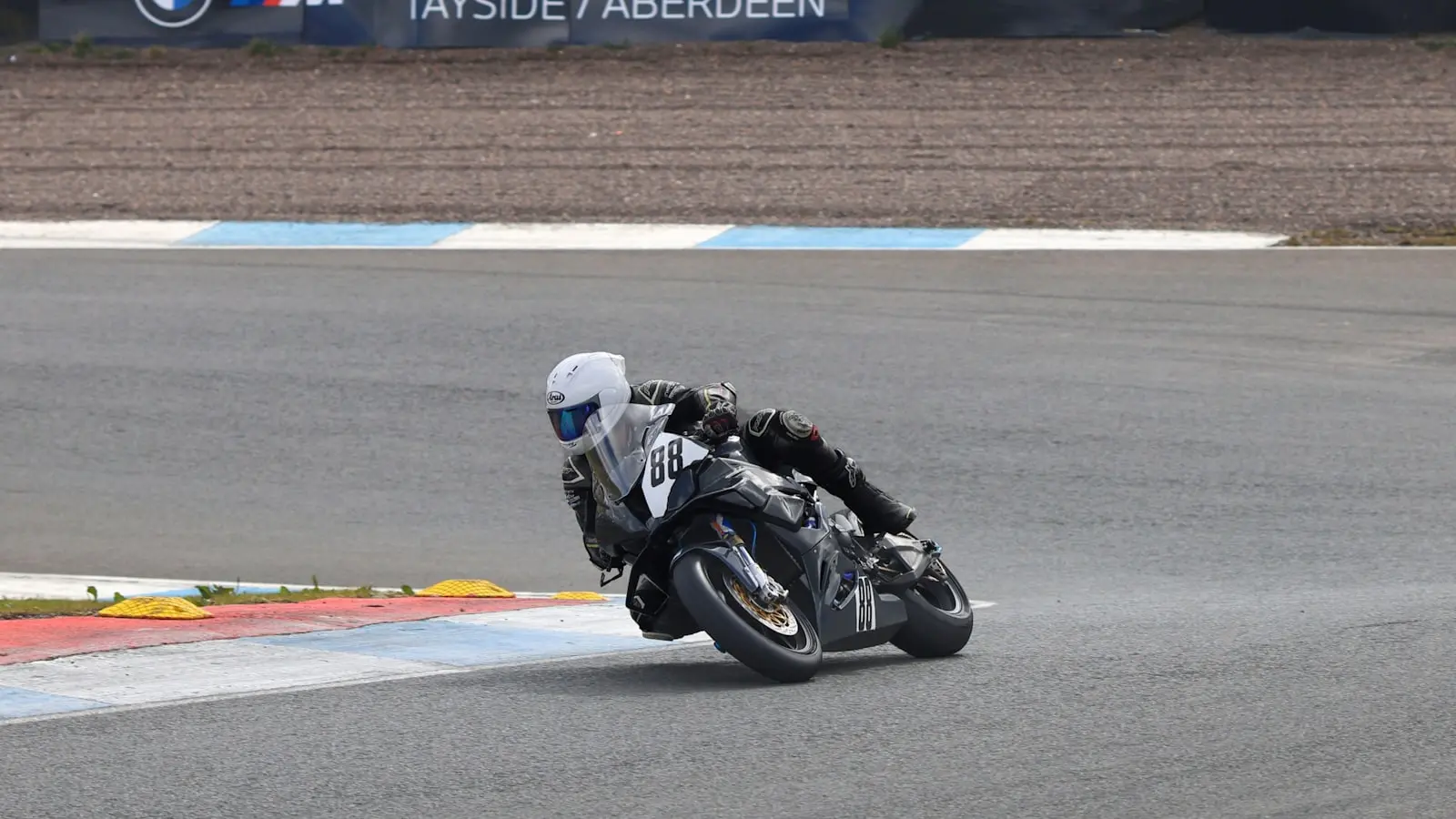

Modern motorcycle racing is no longer a test of nerve alone. It is a grueling exercise in physiology under extreme duress. When a machine enters a corner at 200 miles per hour and exceeds 60 degrees of lean, the human body inside the leathers acts as an active counterweight against crushing gravitational forces. (The G-load is unforgiving.) Analysts often compare the physical strain of a 90-minute MotoGP session to that of a Formula 1 cockpit, noting that modern aerodynamics have fundamentally shifted the sport from a mechanical battle to a biological one.
The Physics of Human Fatigue
To maintain control at these speeds, riders utilize high-intensity interval training (HIIT) to sustain cardiovascular efficiency. The goal is not merely aerobic capacity but the ability to keep the heart rate stable while subjected to sustained lateral forces. Because the bike acts as an extension of the body, stability is paramount. Trainers emphasize specific isometric exercises that reinforce the core. By strengthening the stabilizers, the rider minimizes energy expenditure when fighting the bike’s momentum.
Targeted Muscle Conditioning
Beyond the core, the demands on extremities are immense. Forearm strength determines the longevity of a race. If the grip fails, the throttle control becomes inconsistent. (A common failure point.) Riders employ specialized grip trainers and resistance bands to target the flexor and extensor muscles, ensuring the forearm does not suffer from ‘arm pump’—a common condition where localized blood flow is restricted by tightened fascia. The neck, too, is a point of constant structural stress. Sustaining a helmeted head against wind resistance at triple-digit speeds necessitates targeted resistance training that would otherwise lead to career-shortening spinal fatigue.
The Math of Fueling and Recovery
Physiological output is directly tethered to glycogen management. Championship-level riders monitor carbohydrate intake with mathematical precision, timing ingestion to match the 90-minute stress cycles of a race weekend. The data suggests that performance drop-offs often correlate with poor glucose synchronization. Post-session, the strategy shifts toward systemic recovery.
| Component | Strategic Focus | Primary Objective |
|---|---|---|
| Cardiovascular | HIIT Sessions | Heart rate management |
| Structural | Isometric Core | Stabilization at 60+ degrees |
| Peripheral | Grip and Neck | Fatigue prevention |
| Metabolic | Glycogen Timing | Sustained power output |
Cryotherapy and targeted massage are not luxuries. They are essential infrastructure for a 20-race season. Physical therapists note that the current elite standard prioritizes consistency over raw muscular mass. A rider does not need to be a bodybuilder; they must be a durable, efficient processor of energy. If the engine holds, the body must match it. (The numbers do not lie.) Any deviation from these recovery patterns manifests immediately in corner exit speeds and late-race lap time degradation. For the modern racer, the track is a laboratory of human resilience.