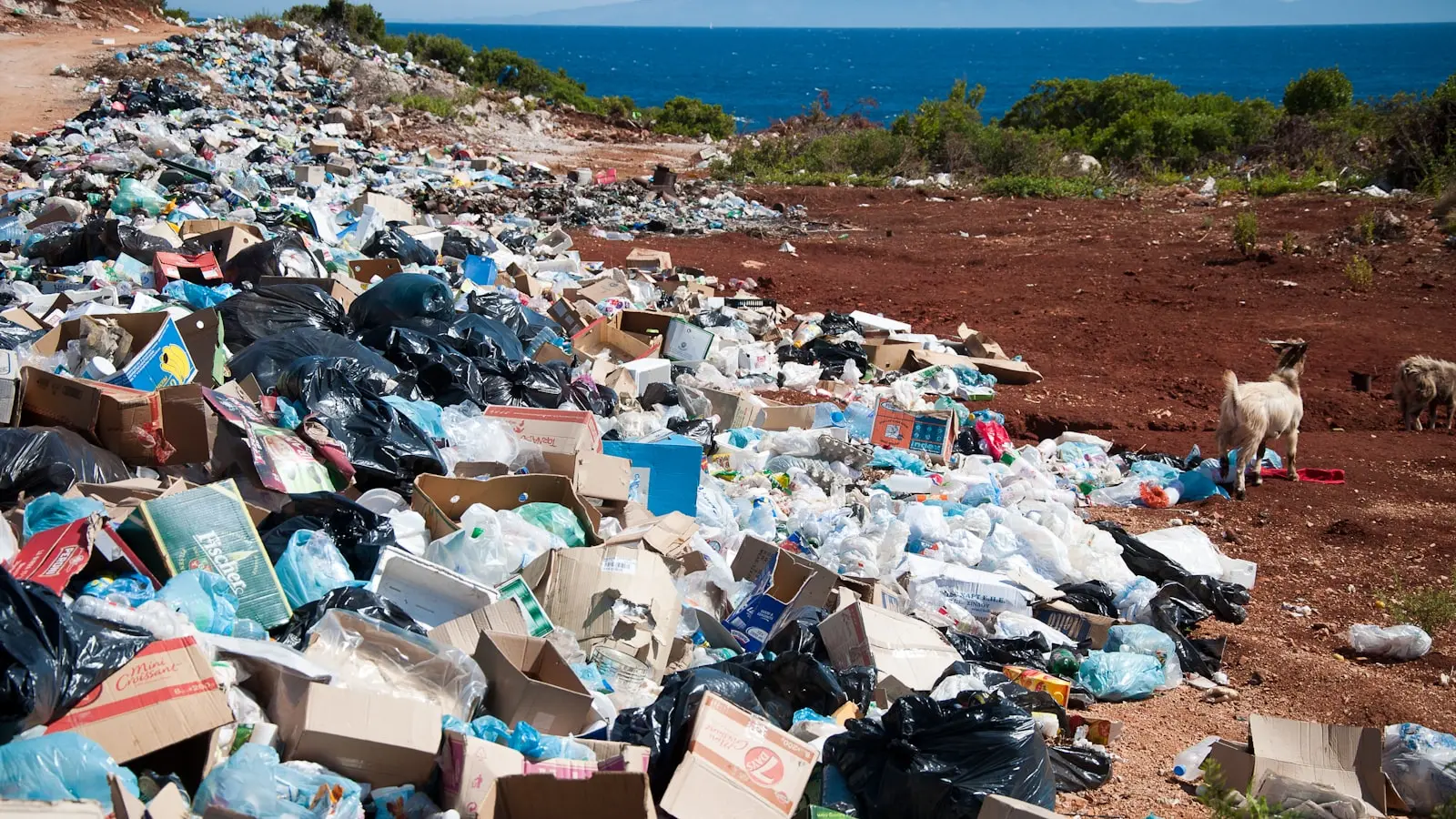

The Silent Infiltration of Oceanic Ecosystems
Every year, approximately 11 million tons of synthetic material enter the world”s oceans. While the visual image of a plastic bottle bobbing in a wave is familiar, the actual threat lies in what remains invisible. As these polymers weather, they fragment into microplastics—particles often smaller than a grain of sand. These particles do not disappear. Instead, they act as permanent contaminants in the marine environment, circulating through deep-sea currents to reach habitats previously shielded from human industry. (Is there anywhere left on Earth that is truly isolated? Unlikely.)
The Mechanism of Endocrine Disruption
The danger of microplastics is not merely physical. Scientists at the Marine Science Institute have identified that these particles function as vectors for chemical additives, most notably phthalates. When plankton ingest these particles, the chemicals enter the base of the marine food web. As the material moves up the trophic levels, it bioaccumulates. For apex marine mammals, the result is a systemic failure of biological function. Research has confirmed that these ingested additives act as endocrine disruptors, causing documented cases of reproductive failure and severely compromised immune systems. The data suggests that population growth for certain species is being throttled by the chemical legacy of synthetic materials.
Uncovering the Deep Sea Debt
Anthropologists of the future may look at this era as the Plastic Age, but for now, it is an ecological debt crisis. The persistence of synthetic polymers ensures that nearly every piece of plastic produced that has not been incinerated remains in existence. It is not just floating in the Great Pacific Garbage Patch; it is sinking. Recent studies indicate that deep-sea currents are transporting these materials into the abyssal plains. This is a transformation of the ocean floor, as these stable, deep-water ecosystems are now receiving a steady influx of anthropogenic waste. We are fundamentally altering the chemistry of the seafloor (and we are doing it rapidly).
Moving Beyond Individual Action
For years, the burden of plastic pollution has been framed as a failure of individual recycling habits. However, environmental biologists are now pushing back against this narrative, arguing that individual action is insufficient to address the sheer scale of the global crisis. The math is simple: the rate of leakage into the ocean far outpaces the efficiency of recovery systems.
Cleaning the oceans is a logistical impossibility. Recovering micro-particles once they have infiltrated the water column and the biology of plankton is effectively impossible. Therefore, the scientific community is prioritizing two specific shifts:
- Circular Economy Integration: A move toward systemic production changes that eliminate the leakage point at the manufacturing phase rather than the disposal phase.
- International Regulation: The pursuit of treaties aimed at capping total plastic production volume, mirroring the regulatory structures used for carbon emissions.
The Economic Reality of Plastic Persistence
The economics of the situation are as rigid as the polymers themselves. Preventing dumping is statistically more cost-effective than attempted remediation. By focusing on the initial production of plastic, nations could theoretically stem the tide. However, this requires a massive realignment of industrial priorities. (Will the manufacturing sector pivot? The evidence remains thin.) As it stands, the global scientific community is sounding a clear alarm: the ocean is no longer just a body of water; it is a repository for an accumulating debt that humanity has yet to find the mechanisms to repay.