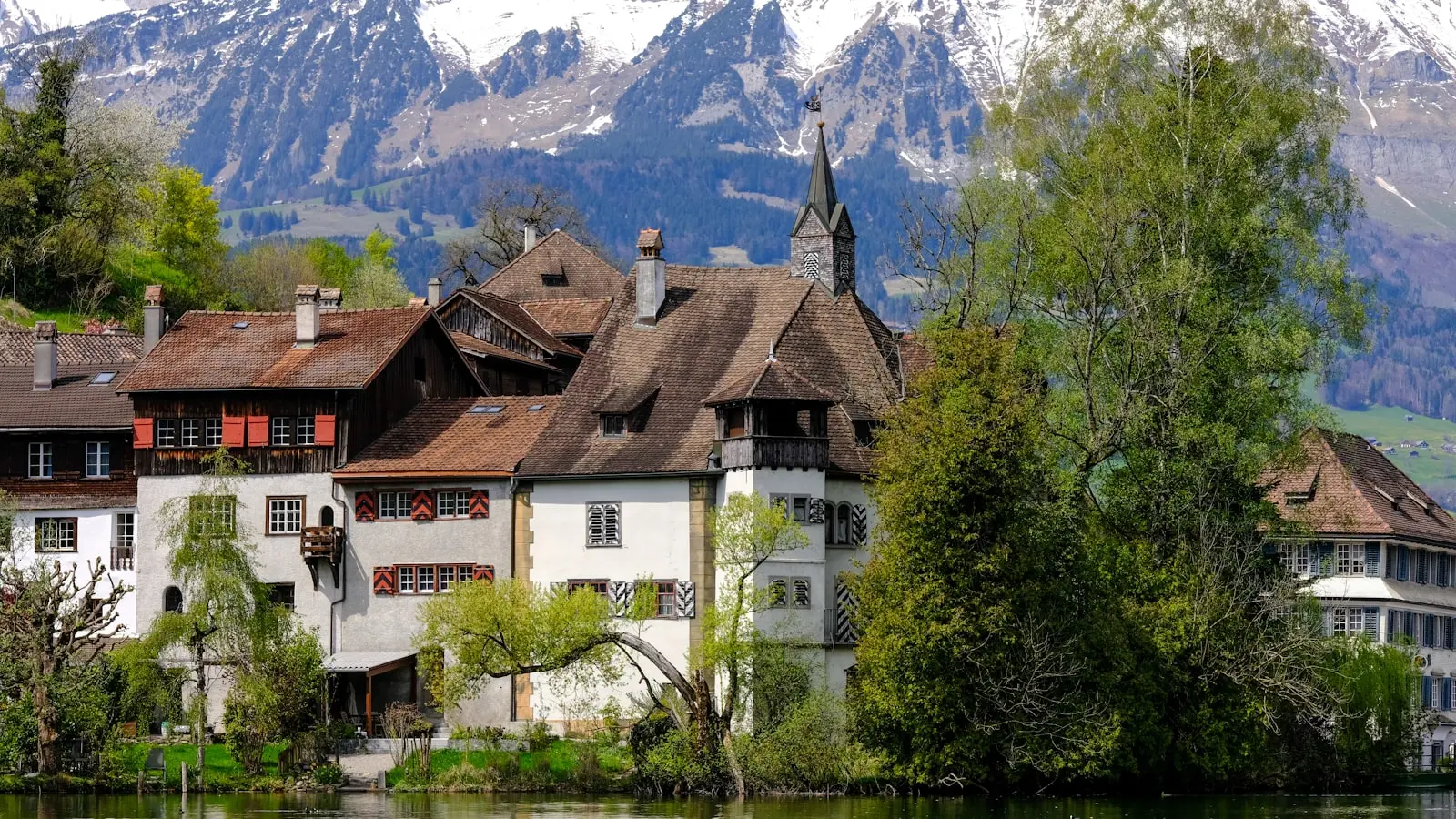

The alpine architecture of Europe is losing its temporal rhythm. Researchers documenting shifts in high-altitude environments have identified a critical acceleration in seasonal transitions, signaling a departure from the historical climate baselines that defined the continent for centuries. Observations conducted in locations such as Annecy, France, reveal that the onset of spring is arriving between 8 and 10 days earlier than the averages recorded during the 1990s. This is not merely a localized curiosity; it is a structural transformation of the biosphere.
The Mechanism of Shift
At the core of this transition are altered jet stream dynamics. As atmospheric circulation patterns become increasingly erratic, they facilitate warmer, earlier spring thaw cycles that bypass the traditional gradual warm-up phase. The physical reality of an alpine valley shedding its snowpack nearly two weeks early changes the hydrological timing of the entire ecosystem. Where soil once held moisture in a frozen state for winter-dormant flora, it now exposes tender root systems to a premature growth phase. (A dangerous gamble for plant survival.)
The Phenological Mismatch
This temporal gap creates a phenomenon known as phenological mismatch. Flora, triggered by increased soil temperatures and sunlight, begin their blooming cycles well ahead of schedule. However, the insect populations—specifically the pollinators upon which these plants depend—often rely on different environmental cues, such as day length, to emerge from their diapause. The result is a broken biological link. Plants are reaching their reproductive peak while their essential partners are still absent.
| Observation Factor | Historical Benchmark | Current Trend | Impact |
|---|---|---|---|
| Spring Onset | Late April/May | Early/Mid April | Misalignment |
| Snowpack Duration | 120 Days | ~105 Days | Hydrological Stress |
| Pollinator Emergence | Synchronized | Lagging | Biodiversity Loss |
Economic Disruption in Alpine Tourism
Seasonal industries are built on the presumption of stability. For decades, the European tourism sector has operated on a calendar that effectively segments the year into predictable blocks of skiing, hiking, and harvest. When the snowpack fails or melts prematurely, the primary economic engine of these regions stalls. Resort towns that rely on the winter-to-spring transition are facing a liquidity crunch as snow-dependent activities are truncated. Furthermore, the viticulture sector is suffering from the same volatility. Vines that sprout too early are frequently decimated by late-season frost events, which remain a statistical probability even as the spring thaw accelerates.
Long-Term Displacement of Endemic Species
Climatologists have raised concerns regarding the viability of endemic alpine species. These organisms have evolved within narrow temperature windows, specialized to survive in conditions that are now being rapidly overwritten. As the “climatic envelope” of their native ranges shifts upward in search of cooler air, they encounter the physical limits of the mountain peaks. There is no higher ground to retreat to.
(The outlook is sobering.)
Without a stabilization of global temperature trends, the unique biodiversity that defines Europe’s high-altitude environments faces a genuine risk of displacement. This is an issue of survival, not just aesthetics. The infrastructure of tourism, agriculture, and local identity is tethered to a climate rhythm that is effectively disappearing. As the jet stream continues to fluctuate, the communities that depend on these cycles must face a future where the definition of a ‘season’ is no longer a fixed point on the calendar, but a moving target that is becoming increasingly difficult to hit.