
The transition from marathon-distance running to ultra-distance events is not merely a change in caloric intake or psychological resilience. It is an engineering challenge. When the human body operates for six, twelve, or twenty-four hours, the failure points are predictable. Skeletal impact accumulates. Tissue elasticity diminishes. Gait mechanics degrade under fatigue. The gear chosen serves as the primary buffer between physiological limits and complete structural failure. (It is rarely the training plan that fails in the final ten miles.)
Analyzing the Footwear Variable
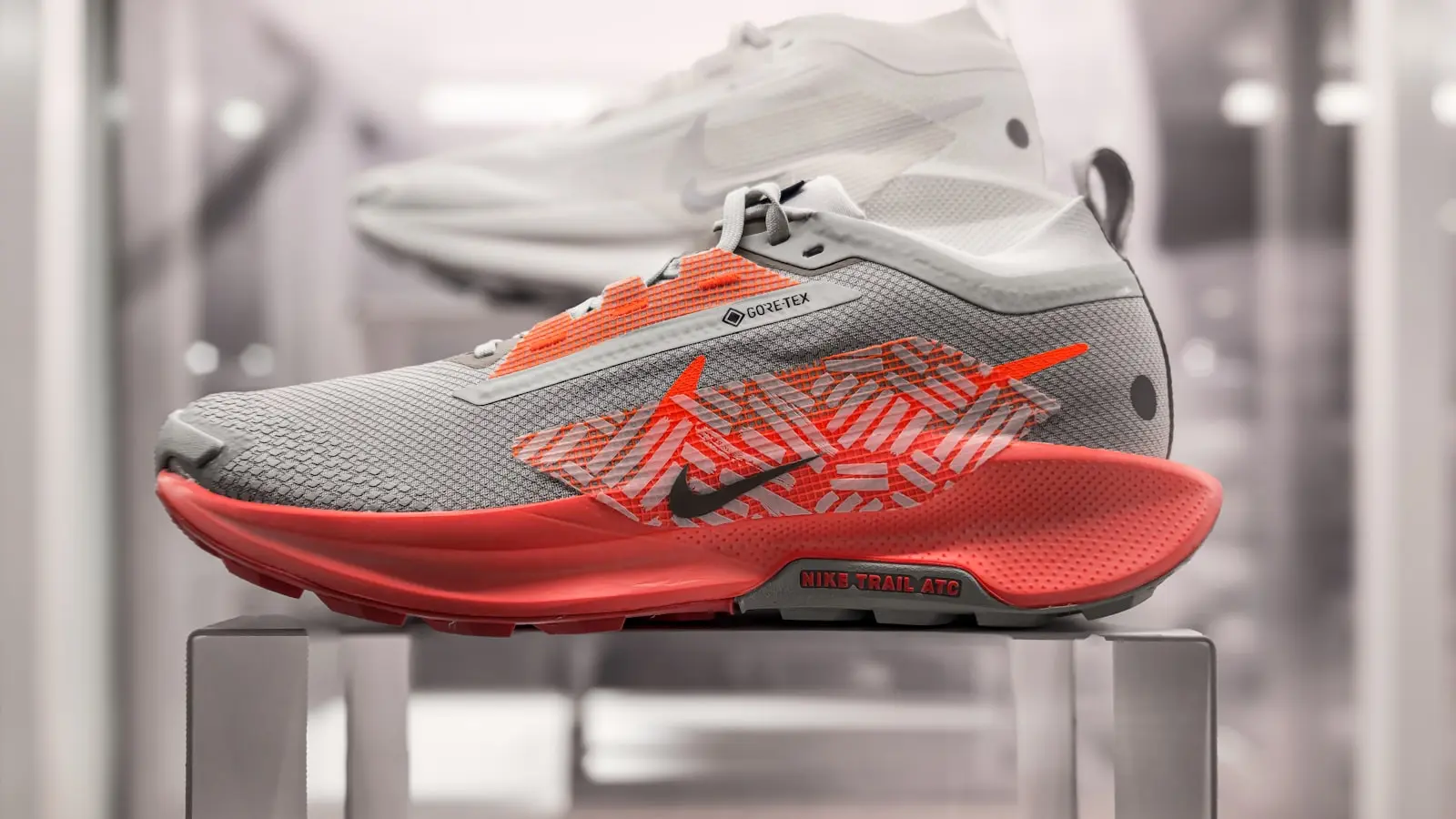
Footwear selection is the most significant tactical decision an athlete makes before an ultra. The industry has shifted toward high-stack, carbon-plated geometries, promising superior energy return. However, data suggests a more nuanced reality regarding impact dissipation. Elite performance relies on analyzing three distinct metrics:
- Gait Mechanics: Identifying whether the runner exhibits excessive pronation or lateral instability over extended efforts.
- Midsole Density: Selecting compression ratings that balance ground feel for technical stability against cushioning for impact mitigation.
- Tread Aggressiveness: Matching lug depth to terrain variability to prevent wasted energy through slippage.
Carbon plates offer efficiency gains on fire roads, but they can act as a rigid lever against soft tissue on highly technical, uneven trails. The risk of lateral ankle strain increases when the stack height exceeds safe tolerance levels for the terrain. (Most runners prioritize weight savings over necessary stability.)
The Quiver Strategy
Rigid adherence to a single shoe model is a statistical gamble. Research from the American Trail Running Association indicates that repetitive strain injuries—specifically iliotibial band syndrome—are often linked to uniform loading patterns. When the foot strikes the ground in the exact same manner for three million steps, specific tissues reach their threshold for stress absorption.
Elite programs now mandate a “shoe quiver” strategy. By rotating two distinct shoe models during a single training block, athletes distribute stress across slightly different muscle groups and connective tissues. This is a deliberate attempt to break the cycle of repetitive loading. It forces the lower limb to adapt to variable mechanical inputs, effectively diluting the localized stress that leads to chronic injury.
Beyond the Midsole
Performance in an ultra is dictated by the maintenance of homeostasis. Hydration vests are no longer optional accessories; they are essential systems for fluid and electrolyte management. A vest must support at least two liters of hydration, but the structural integrity of the vest itself matters more than capacity. Poor fit causes friction. Friction causes skin breakdown. Once the skin barrier is compromised in a damp, high-mileage environment, the runner is fighting a losing battle against sepsis-level irritation and gait compensation.
Clothing choices further exacerbate these risks. Synthetic, moisture-wicking fabrics are the industry standard for a reason. Natural fibers retain water. Water adds weight and increases the coefficient of friction against the dermis. Specialized socks utilizing a blend of merino wool and synthetic fibers represent the optimal solution for moisture management and structural cushioning. (Cotton is effectively a weapon against the wearer in these conditions.)
Mitigating Long Term Risk
Preventing injury is an exercise in data-driven adjustment. Monitoring the rate of perceived exertion (RPE) against heart rate drift provides the clearest picture of impending failure. If the gear is not optimized, the athlete will compensate mechanically. When an athlete compensates, the risk of injury skyrockets.
Data points to a clear hierarchy of needs for the ultrarunner:
- Footwear Rotation: Alternating between high-cushion and responsive models to manage tissue load.
- Hydration Systems: Ensuring capacity while maintaining center-of-gravity stability during technical climbs.
- Dermal Protection: Utilizing moisture-wicking materials to eliminate friction points.
Ultimately, the equipment serves as an extension of the athlete’s biomechanical efficiency. If the gear fails, the body will inevitably follow. Every choice made in the transition zone or the pre-race kit selection ripples through the later stages of an ultra. The race is rarely won by the fastest runner; it is won by the one whose structure remains intact the longest.