
The United States Food and Drug Administration has authorized a diagnostic system that fundamentally alters the clinical landscape for neurodegenerative disease. The approval of NeurAI Diagnostics’ AlzDetect Pro system marks a critical pivot from symptomatic to pre-symptomatic identification of Alzheimer’s disease. This is not an incremental improvement. It is a categorical shift in capability.
At its core, the system’s approval is based on a reported 94% accuracy in identifying the biological signatures of Alzheimer’s up to seven years before overt clinical symptoms, such as memory loss, typically manifest. This predictive window is the central value proposition, moving the point of intervention from a stage of significant neuronal damage to one where disease-modifying therapies have a plausible mechanism for impact. The system accomplishes this by integrating two widely available clinical tools: a standard blood draw and a routine magnetic resonance imaging (MRI) scan of the brain.
The Dual-Input Analytical Engine
The efficacy of AlzDetect Pro does not derive from a single novel biomarker but from its machine learning engine’s ability to synthesize data from two distinct biological domains: proteomics and neuroimaging. This multi-modal approach provides a degree of analytical robustness that has previously been elusive.
First, the system analyzes a standard blood sample for a complex panel of protein biomarkers associated with Alzheimer’s pathology. While amyloid-beta and tau proteins are the most widely recognized culprits, the AI algorithm assesses a much broader signature, including subtle shifts in inflammatory markers and other neurofilament light chain proteins that signal early neuronal stress and injury. The system does not simply measure the absolute levels of these proteins. It quantifies the ratios and interplay between them, identifying complex patterns that are statistically correlated with the earliest stages of amyloid plaque formation and tau tangle development. The AI model was trained on vast datasets of longitudinal patient data, allowing it to recognize preclinical biochemical cascades that are invisible to traditional assays.
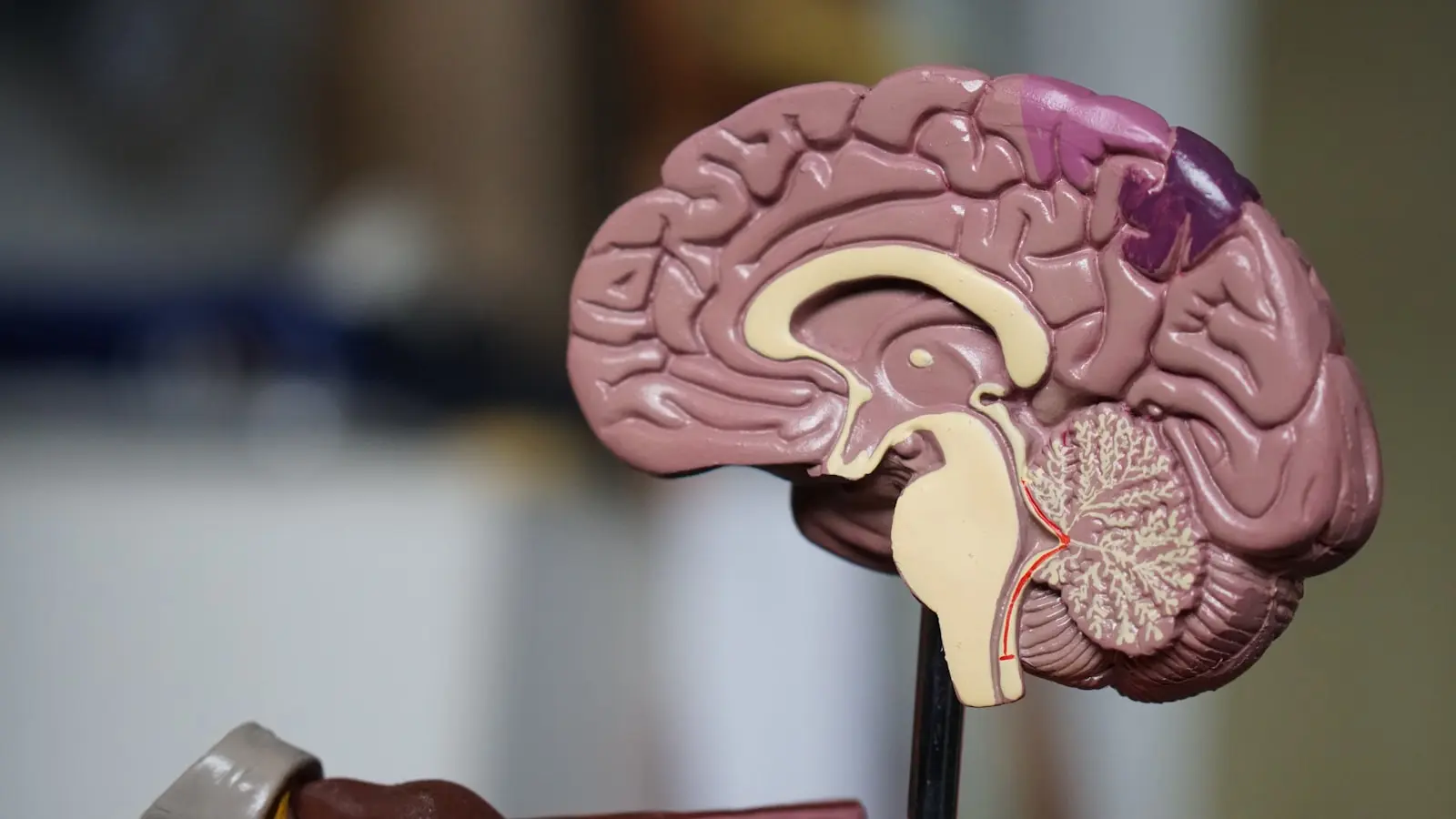
Second, this proteomic data is correlated with structural data from a non-contrast MRI. The algorithm is not looking for the gross brain atrophy characteristic of late-stage Alzheimer’s. Instead, it is trained to detect microscopic changes in hippocampal volume, cortical thickness, and white matter integrity. These subtle morphological shifts can precede cognitive decline by many years. By combining the “what” from the blood test (the presence of pathological proteins) with the “where” from the MRI (the evidence of early structural impact on the brain), the system generates a unified, high-confidence diagnostic score. This dual validation method is what drives its high accuracy and minimizes the risk of false positives that could arise from relying on a single data source.
A Departure from Invasive and Costly Methods
The approval’s significance is amplified by the logistical simplicity of its inputs. For decades, the gold standard for a definitive Alzheimer’s diagnosis involved either a lumbar puncture to analyze cerebrospinal fluid (CSF) or a positron emission tomography (PET) scan. Both methods present substantial barriers. Lumbar punctures are invasive and can be uncomfortable for patients, leading to procedural hesitancy. PET scans are exceptionally expensive, require radioactive tracers, and are only available at specialized medical centers. This limited access to a small, often symptomatic, patient population.
AlzDetect Pro bypasses these barriers entirely. Phlebotomy services and MRI machines are ubiquitous in modern healthcare systems, from urban hospitals to regional clinics. This accessibility democratizes early-stage diagnostics. The announcement of Medicare coverage, effective July 1, 2026, confirms the system’s potential for mass adoption. It transitions early Alzheimer’s screening from a specialized neurological procedure to a component of routine preventive care for at-risk populations, such as individuals over 50. Healthcare systems are already planning pilot programs to integrate this test into annual wellness checks. (The downstream burden on a system that suddenly identifies millions of pre-symptomatic individuals will be immense).
The Clinical Imperative of Early Detection
Diagnosis without a viable treatment is an academic exercise. The approval of AlzDetect Pro is clinically meaningful precisely because of the recent emergence of disease-modifying drugs. Medications approved between 2023 and 2025 demonstrated a capacity to slow cognitive decline by targeting the underlying amyloid pathology. Their limitation, however, was that they were typically administered after a patient was already symptomatic, meaning significant and irreversible brain damage had already occurred. The drugs could slow further damage but could not restore lost function.
Early detection creates the therapeutic window these drugs need to be maximally effective. By identifying the disease at the biochemical and micro-structural level, physicians can initiate treatment when the neuronal network is still largely intact. This shifts the goal of Alzheimer’s care from managing debilitating symptoms to preserving cognitive function for as long as possible. The seven-year lead time provided by the AI diagnostic is a profound opportunity to intercept the disease’s progression. Patient advocacy groups have celebrated this development, recognizing that it transforms a future diagnosis from a certainty of decline into a manageable, chronic condition.
Market Realignment and Future Considerations
The market’s reaction was immediate and decisive. The 45% surge in NeurAI Diagnostics’ stock reflects investor confidence that this technology will become the new standard of care, unlocking a multi-billion dollar market. The established diagnostic pathways involving PET imaging and CSF analysis now face a significant competitive threat.
However, widespread implementation raises critical questions. Neurologists, while optimistic, note the need for new clinical guidelines to manage pre-symptomatic patients. How does a physician counsel a cognitively healthy 55-year-old who now carries a high-probability diagnosis of a disease that may not manifest for years? Ethical frameworks must be developed to address the psychological and social implications of this knowledge. Furthermore, while the diagnostic tool is now available, the healthcare system’s capacity to deliver the associated treatments and long-term monitoring at scale remains a challenge.
The approval of AlzDetect Pro is not an end point. It is the starting pistol for a new era in dementia care. The focus has now shifted from a reactive struggle against cognitive decline to a proactive, data-driven strategy to preserve brain health. The work is just beginning.