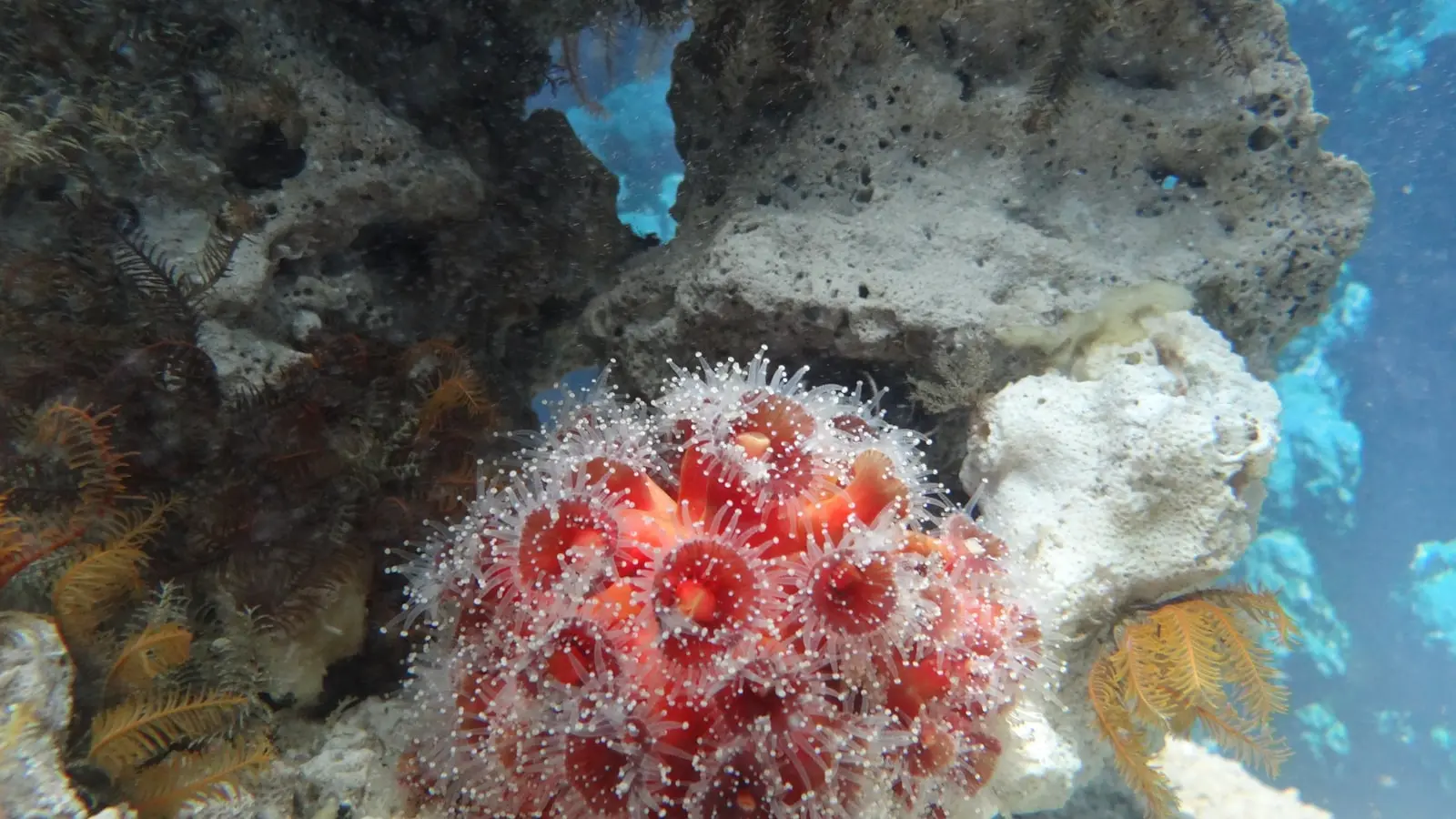

The deep ocean acts as the final terrestrial frontier, a vast, crushing landscape that holds more secrets than any other domain on Earth. With over 80 percent of the ocean floor currently unmapped and unexplored, humanity is effectively blind to the biological diversity residing in the abyss. Recent shifts in remote-operated vehicle (ROV) technology, however, are finally beginning to peel back these layers of darkness. Analysts from NOAA Ocean Exploration report that current deep-sea expeditions now catalog over 500 new species annually. These finds range from bioluminescent jellyfish to extremophile bacteria thriving near hydrothermal vents. It is a staggering rate of discovery. (Is the pace fast enough?)
The Technological Catalyst for Discovery
For decades, the deep ocean remained a realm of theoretical biology. That changed roughly 15 years ago when high-pressure camera systems and advanced sonar mapping tools moved from military-grade exclusivity to accessible scientific instrumentation. These systems allow ROVs to descend beyond 6,000 meters, entering the hadal zone where pressures can exceed 1,000 times that of sea level. The hardware itself is a marvel of engineering. Titanium-alloy housings protect sensitive electronics from the weight of the water column, while high-intensity LED arrays pierce the absolute darkness to reveal organisms that have evolved entirely without the sun.
Biology at the Threshold of Life
The organisms found at these depths do not merely survive; they redefine the parameters of life. By studying deep-sea bacteria that derive energy through chemosynthesis rather than photosynthesis, researchers are identifying novel metabolic pathways. These pathways offer potentially significant implications for medicine. If an organism can process toxic chemicals at extreme temperatures, the enzymes involved might be synthesized for industrial or pharmaceutical applications. The investigation of these species serves a dual purpose: expanding our fundamental understanding of life and sourcing materials for biotechnology. (Nature remains the ultimate engineer.)
A Race Against Extinction
Despite the excitement of discovery, the scientific community maintains a somber outlook. The deep-sea environment is currently facing a surge of industrial pressure, specifically from potential seabed mining and deep-water pollution. Marine biologists argue that we are cataloging species even as they face the risk of habitat destruction. The window to map the ocean is closing faster than the technology can advance. The following table highlights the critical pressure points facing deep-sea ecosystems today:
| Factor | Impact Description | Scientific Concern |
|---|---|---|
| Seabed Mining | Physical disruption of seafloor substrate | Permanent loss of fragile, slow-growing habitats |
| Climate Change | Alteration of deep-sea currents and oxygen levels | Physiological stress on abyssal organisms |
| Pollution | Accumulation of microplastics in deep trenches | Biological toxicity and ingestion by filter feeders |
Implications for Planetary Health
The mapping of the deep ocean is not just an academic exercise in taxonomy. It is a vital component of global conservation. By establishing a baseline of what lives in these hidden trenches, scientists can provide the evidence needed to advocate for protected status in international waters. The data harvested by ROVs serves as a defensive shield. Without these visual and genetic records, it would be impossible to quantify the loss caused by industrial activity. The irony remains stark: we are discovering these life forms at the exact moment they face their greatest existential threat. Progress requires mapping. Humanity must choose between resource extraction and scientific enlightenment.