
The Geography of Scale
Hokkaido is not merely a northern prefecture. It is a sprawling landmass nearly the size of Austria, designed for those who understand the patience of transit. When summer heat spikes in Tokyo, the influx of travelers to the north rises by 40 percent. This migration shifts the pressure onto local infrastructure that was never built for rapid-fire tourism. (It is a classic case of supply meeting an immovable object.)
Travelers often arrive with an itinerary that maps out Sapporo, Shiretoko, and Hakodate in a single week. This is an exercise in futility. The distance between the vibrant seafood markets of Sapporo and the rugged wilderness of the Shiretoko Peninsula exceeds 400 kilometers of winding roads and mountainous terrain. Attempting to bridge this gap via public transit results in a trip defined by bus schedules rather than discovery. The lesson here is clear: geography dictates the pace of experience.
Why Regional Focus Wins
Efficiency in Hokkaido requires abandonment of the ‘see it all’ mentality. The most rewarding trips focus on a singular axis. Consider the following breakdown for a ten-day stay:
- The Central and Coastal Axis: Focus on Sapporo, Otaru, and the Niseko foothills. This allows for deep immersion into the culinary scene—the sea urchin and crab are unparalleled here—without the exhaustion of six-hour train rides.
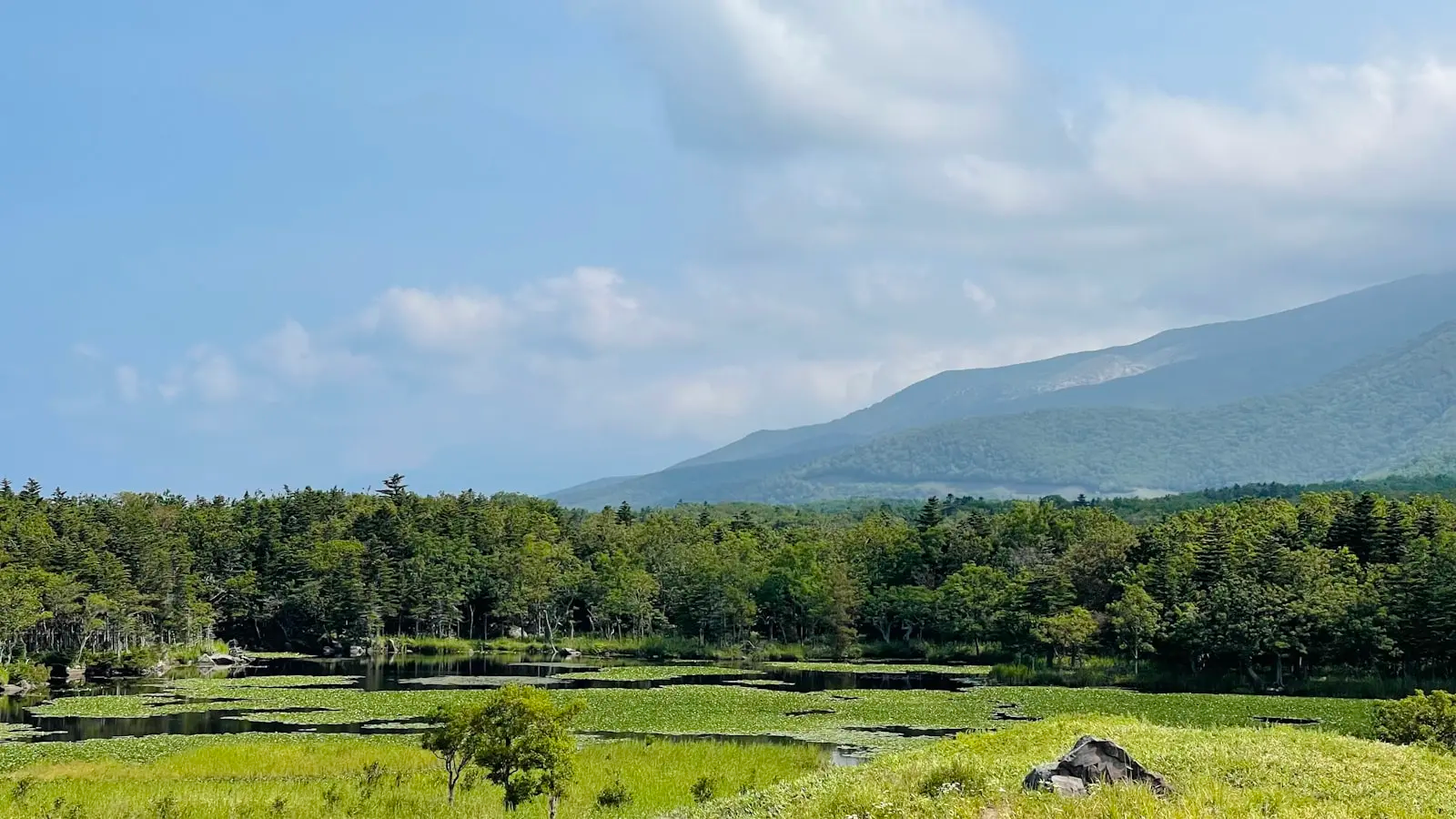
- The Wilderness Axis: Dedicate the full ten days to the eastern national parks. This requires a car. Without it, the hidden hot springs and volcanic calderas remain inaccessible. The public transit network in the north is sporadic at best. Relying on it is a gamble that rarely pays off. (Unless one enjoys waiting at unmanned stations.)
The Transportation Reality
For those venturing beyond the urban centers, the rental car is not a luxury. It is a mandatory tool. The freedom to stop at roadside markets—the ‘Michi-no-Eki’—is what separates a memorable journey from a tedious commute. These roadside stations function as the heartbeat of regional culture. They offer the freshest local produce and a glimpse into the agricultural backbone of the island.
When selecting a vehicle, prioritize size and fuel efficiency for mountain driving. The roads in Daisetsuzan National Park require focus and a capable engine. If the logistics seem daunting, narrow the scope. A ten-day span spent exploring only the Furano and Biei flower fields, paired with the peaks of the central highlands, provides a higher density of experience than a rushed loop around the entire prefecture.
Navigating Seasonal Shifts
Summer in Hokkaido is defined by the absence of Honshu’s oppressive humidity. This climate shift is the primary driver of the current tourism surge. However, this popularity means popular spots now require advance booking weeks in advance. Analysts suggest that the shift in travel patterns has put an end to the era of ‘spontaneous exploration.’ If you do not have a reservation, you will likely find yourself on the outside looking in. (The irony of seeking solitude in a crowded space is lost on no one.)
Prioritize your logistics. Choose a region, secure a vehicle, and respect the scale of the landscape. Hokkaido rewards those who move slowly and intentionally. The rest is just noise.