
Evaluating the Physics of Impact Protection
When navigating the concrete landscape, the margin for error effectively vanishes. Urban cycling, particularly the variety that incorporates technical maneuvers and park-style precision, demands a departure from standard road-cycling equipment. The kinetic energy involved in a high-speed pedal slip or a botched landing on asphalt is significant. Data from the June 2024 Independent Cycling Safety Research Council suggests that standard road gear fails to account for the specific vectors of injury common in technical street riding. (The scoreboard doesn’t lie: standard plastic shells simply aren’t enough.)
The Science of Material Selection
Modern protection rests on a pivot between impact absorption and maneuverability. D3O foam has emerged as the industry benchmark for this purpose. Unlike traditional closed-cell foams, D3O utilizes non-Newtonian fluid characteristics, remaining flexible during standard pedaling motions but locking into a rigid, impact-dispersing structure upon the precise millisecond of a crash. This represents a fundamental shift from the bulky, inflexible armor of a decade ago. Riders prioritizing agility now look for hybrid knee pads that integrate shin protection without restricting the flexion required for technical pivots.
| Material Component | Primary Performance Benefit | Ideal Application |
|---|---|---|
| D3O Foam | High-velocity energy dissipation | Joints/Knee Pads |
| Polycarbonate Shells | Abrasion resistance/Sliding | Exterior Impact Zones |
| High-Density Mesh | Thermal regulation | Base Layers |
Rethinking Helmet Standards
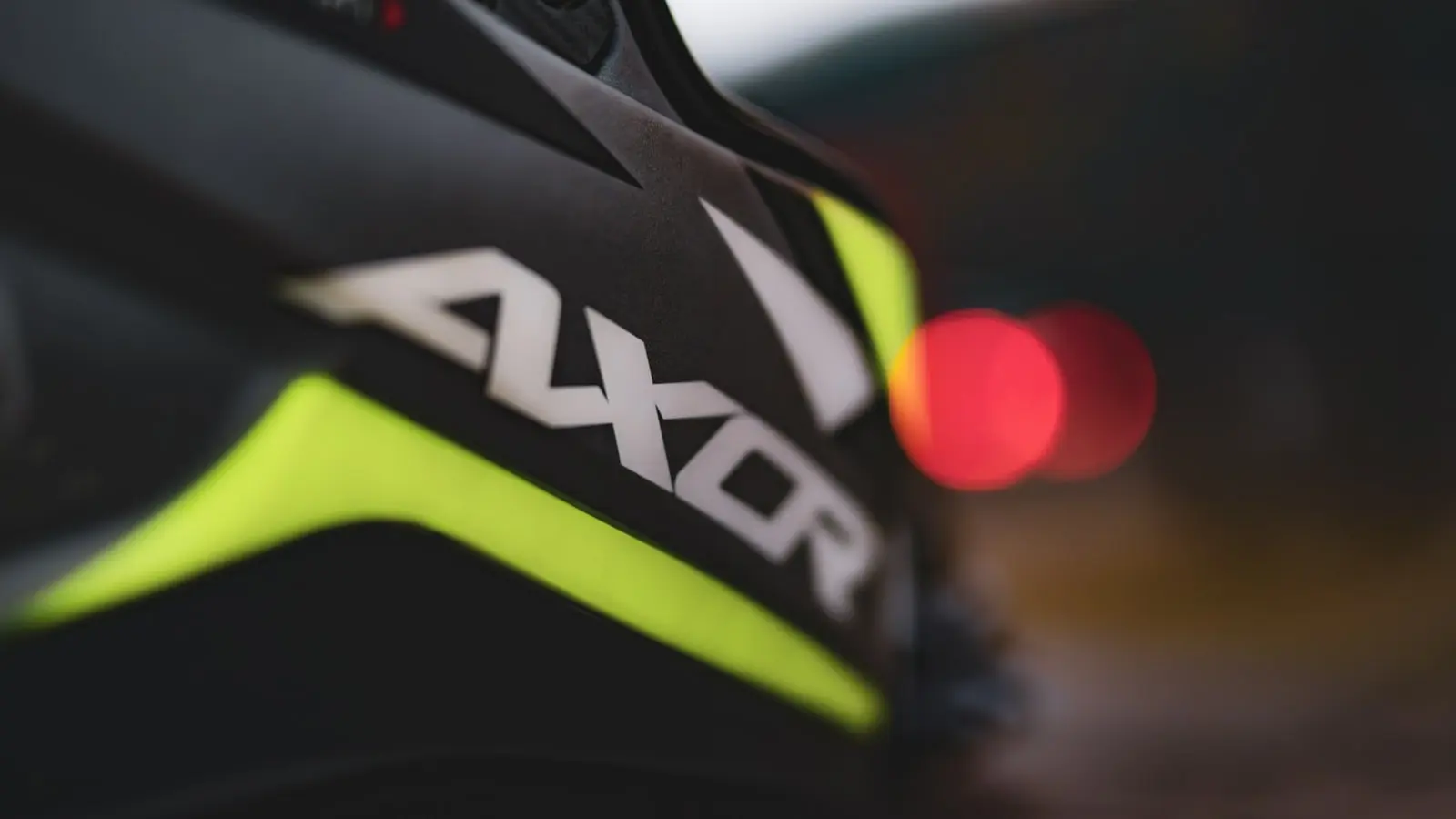
Standard road helmets are engineered for forward-falling impacts on relatively flat surfaces. In the context of street trials or urban park maneuvers, the risk profile shifts toward occipital (rear-cranial) impact and lateral rotation. Professional standards now dictate the use of downhill or BMX-certified helmets. These models offer extended coverage across the rear of the skull, a non-negotiable feature when the risk involves unpredictable falls against curbs or concrete steps. (If it doesn’t cover the base of the skull, don’t bother wearing it.)
The Ergonomics of Handlebar Control
Equipment choice directly impacts the rider’s decision-making loop. Gloves are not merely for comfort; they are a tactical interface. Research suggests that excessive padding in the palm of a glove can actually decrease tactile feedback, leading to subtle lapses in handlebar precision during high-stakes maneuvers. Lightweight, breathable materials with silicone-patterned grips allow for maximum friction, ensuring that sweat or vibrations do not result in a slip. Efficiency is the ultimate safeguard.
Strategic Investment vs Market Trends
Market saturation has led to a flood of budget-tier protective equipment that often prioritizes aesthetics over structural integrity. Safety advocates remain consistent on this front: style is a secondary variable in the risk assessment equation. Low-cost pads often suffer from ‘migration’—shifting out of the protective position upon the moment of impact. An effective knee pad must demonstrate minimal displacement during the entire range of motion, from the peak of a jump to the intensity of a manual.
Investors and riders alike should look for certifications (CE levels) rather than marketing copy. When the technical requirements of the environment exceed the structural capabilities of the gear, the rider is effectively testing the limits of human anatomy—a gamble that rarely pays off in the long term. The transition to hybrid armor signifies that manufacturers are finally catching up to the demands of the street, but the responsibility to choose gear that handles high-velocity physics remains squarely with the operator.