
The global energy transition is no longer a peripheral environmental initiative. It is a massive capital deployment machine. Governments have pledged over $2 trillion toward decarbonization, effectively forcing a structural pivot in the labor market. When trillions of dollars flow into infrastructure, the primary bottleneck is not just hardware; it is human capital. (The math is unavoidable.)
The Salary Premium of the Green Transition
The Green Economy Labor Report from January 2026 highlights a significant discrepancy in compensation structures. Roles such as Renewable Energy Systems Technician and Sustainability Data Analyst now command salary premiums of 20% to 35% over their counterparts in legacy energy sectors. This is not driven by altruism. It is a response to a sharp supply-demand imbalance. Firms are aggressively bidding for talent capable of navigating the transition from volatile start-up phases to stable, utility-scale operations.
Where Capital Is Creating Demand
Capital is currently concentrated in three specific verticals. Investors are placing their bets on:
- Grid Modernization: The aging infrastructure of the twentieth century cannot support intermittent renewable loads. Engineers who understand decentralized grid architecture are now the most valuable assets in the room.
- Energy Storage Engineering: Specifically, advancements in lithium-iron-phosphate (LFP) technology require a new class of supply chain managers. These individuals must possess a technical understanding of chemical battery life cycles to mitigate long-term operational risk. (If the batteries fail, the revenue model fails.)
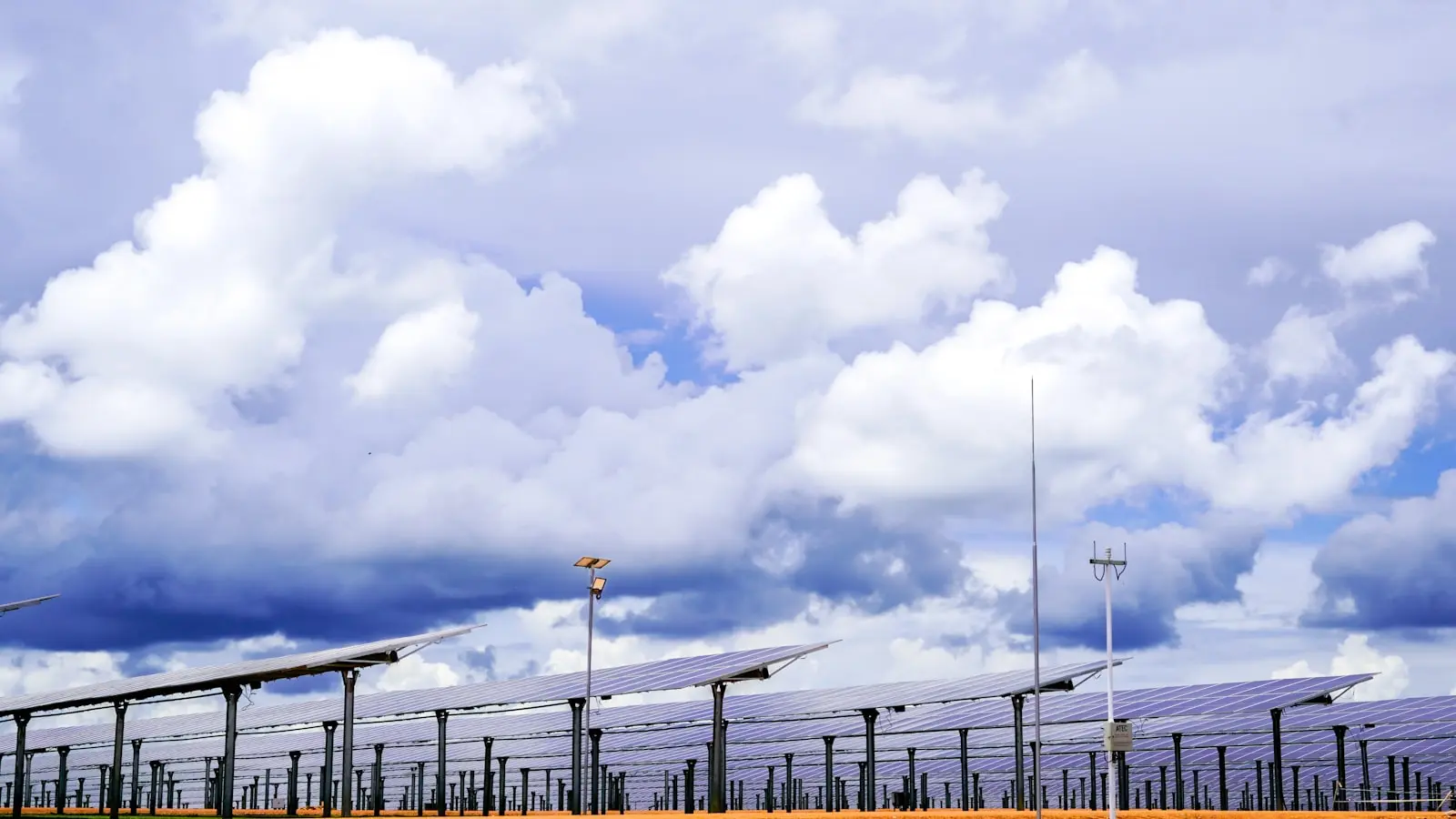
- Solar Project Management: As solar moves into large-scale deployments, the ability to manage complex logistics—rather than just site installation—has become the primary determinant of project profitability.
Why Technical Certifications Outperform Degrees
Historically, the energy sector relied on traditional engineering degrees. That dynamic is shifting. Career counselors now observe that for field-based roles, technical certifications are increasingly prioritized over general academic credentials. The pace of innovation in battery chemistry and grid software is faster than the pace of university curriculum updates. Employers prioritize those who can prove they understand the hardware currently sitting on the warehouse floor.
Market Stabilization and Long-Term Risk
For years, green energy was characterized by high stock volatility and speculative valuations. Analysts note that this era is ending. As firms transition into utility-scale operations, their revenue streams have become more predictable, if less explosive. This stabilization changes the risk profile for potential employees. Working in renewable energy is moving away from “gambling on a startup” toward “scaling an essential utility.”
Actionable Implications for Professionals
Individuals looking to pivot into this sector should focus on the intersection of data and hardware. The Sustainability Data Analyst role, for instance, serves as a bridge between the physical realities of grid load and the financial reporting required by stakeholders. Understanding how to model energy flow alongside carbon credits is a specialized skill set that currently lacks sufficient supply in the labor market.
Ultimately, the shift toward sustainable power is an industrial overhaul. It requires labor that can bridge the gap between heavy infrastructure and high-frequency data analysis. For those willing to trade the stability of legacy energy for the complexity of modern grid management, the financial premiums are substantial. (The market is rewarding the risk.)