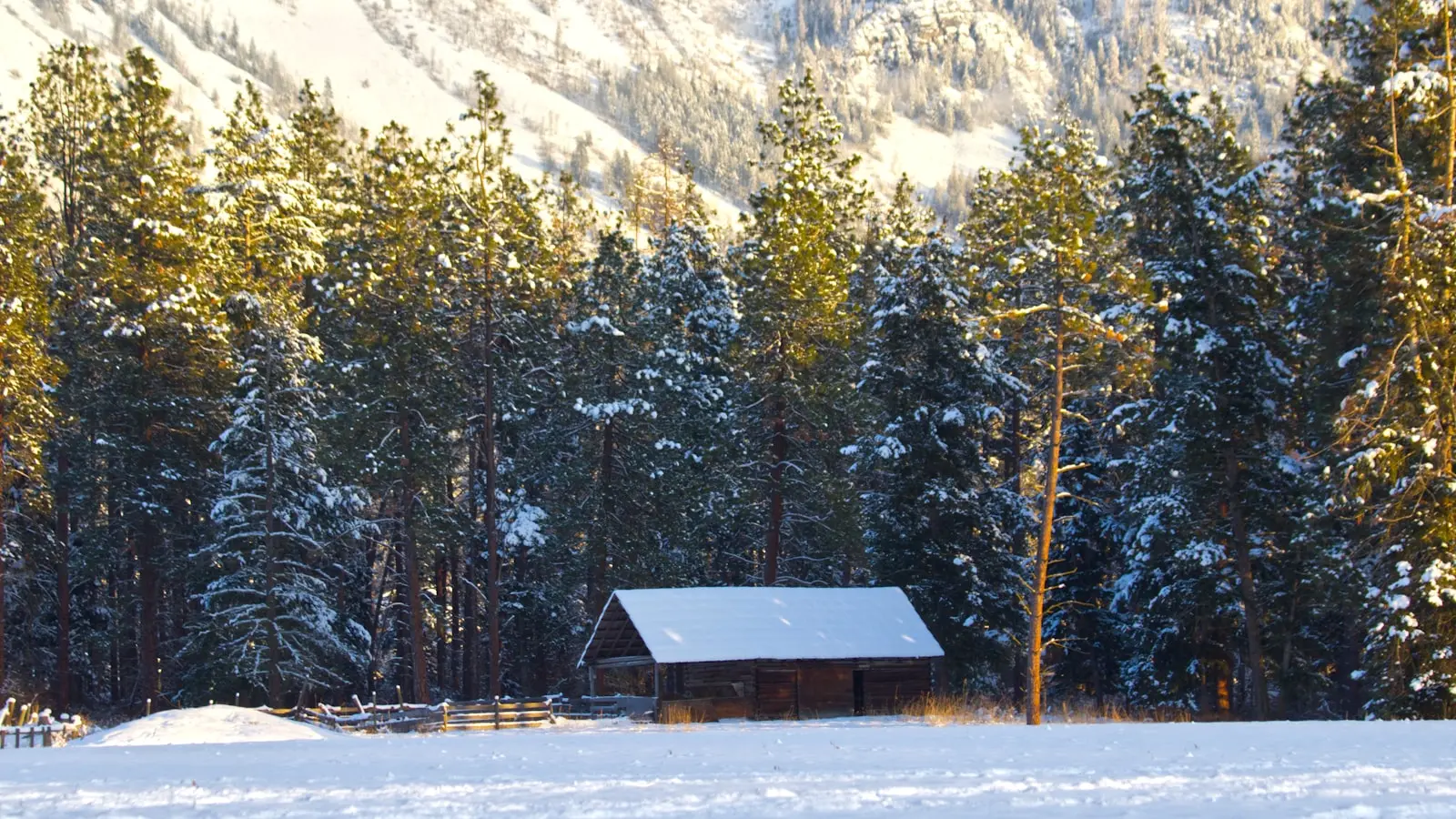
The dream is easy to picture: a wooden cabin near Black Lake, morning coffee with a view of snow-capped peaks, and long summer hikes on your own schedule. But the financial reality of owning a vacation home in a mountain region like Zabljak, Montenegro, goes far beyond the purchase price. Many first-time buyers focus on the sticker price and overlook the annual costs that can turn that dream into a financial burden. This article breaks down the hidden expenses, using the Zabljak area as a concrete example, so you can decide if mountain homeownership truly fits your budget and lifestyle.
Key Takeaways
- Annual holding costs for a mountain vacation home often exceed €8,000–€12,000, driven by heating, insurance, and road maintenance.
- Winterization alone can cost €1,000–€2,500 per year, including heating, pipe protection, and snow removal.
- Rental income may not fully offset expenses; a conservative break-even analysis is essential before counting on it.
- Questions about the last kilometer of road access, property tax rates, and insurance premiums should be answered by a local agent before purchase.
1. The Upfront Shock: Taxes, Registration, and VAT You Didn’t Budget For
Before you even get the keys, several one-time costs add to your initial outlay. In Montenegro, foreign buyers generally pay the same fees as locals, but the structure can catch you off guard.
- Notary fees typically run 1–2% of the property value. For a €200,000 cabin, that’s €2,000–4,000.
- Real estate registration fees (cadastral entry) are smaller, usually a few hundred euros.
- Value-added tax (VAT) applies to new constructions: 21% in Montenegro. Resales are usually exempt, but verify with your agent.
Property taxes are ongoing, not upfront, but worth mentioning here. Rural mountain municipalities like Zabljak tend to have lower rates than the coast, generally 0.3–0.5% of the assessed value. A €200,000 property would owe €600–1,000 annually. However, exact rates depend on the local cadastral office, so ask your agent for the current figure.
Trade-off: Coastal properties in Montenegro often have higher purchase prices but lower heating and winterization costs. The mountain premium is not in the base price but in the annual upkeep.
2. Winterization: The Seasonal Survival Cost
Mountain winters are beautiful but brutal on a home. If you only visit during summer, the property still needs to survive the cold season. Ignoring winterization can lead to burst pipes, mold, and structural damage.
Heating is the biggest line item. A typical 3-bedroom cabin in the Zabljak area may rely on a mix of electric heaters, a wood stove, and sometimes a central oil boiler. Monthly heating bills in winter can range from €300 to €600, depending on insulation and usage. Firewood adds another €200–400 per season if you don’t cut your own.
Pipe protection is mandatory. Insulating exposed pipes (one-time cost €200–500) and draining the system before a long absence are essential. Antifreeze in toilet traps and drains prevents freezing.
Snow removal – whether you are there or not. If you visit in winter, you may need a 4x4 with chains. For the property itself, you either invest in a snow blower (€500–1,500) or contract a local service. Each heavy snowfall can cost €50–200 for clearing driveways and paths. Expect 5–10 events per season.
Backup generator: Many remote mountain homes suffer power outages during storms. A basic generator costs €500–2,000 plus installation and fuel. Not mandatory, but strongly recommended if you want reliable heating and water pumps.
Total annual winterization costs can easily reach €1,000–2,500, and that’s before any emergency repairs.
3. Road Access and Maintenance: More Than a Scenic Drive
The M14 state road to Zabljak is maintained by the government, but it is subject to snow, ice, and occasional landslides. During heavy winter, you may face delays or closures. A 4x4 vehicle with winter tires or chains becomes a necessity, not a luxury.
More critical is the last kilometer of access. Many cabins are tucked away on private roads or tracks. If that final stretch belongs to you, so does the maintenance: gravel replenishment, drainage ditches, and snow clearance. Costs vary widely, but budget €500–2,000 annually for a shared private road if you join a road association. If the road is exclusively yours, expect higher costs.
Municipal road taxes may apply in some mountain areas, but these are usually modest (€50–150 per year). Ask the local agent whether your property has any road association fees or obligations.
4. Insurance That Protects Against Mountain Risks
Standard homeowners insurance is cheaper than you might think. Mountain insurance is not. Why? Because the risks are higher: wildfire, avalanche, flooding from snowmelt, and earthquakes are real concerns in alpine environments.
- Fire and multi-peril policies for a mountain cabin can be 20–50% more expensive than a comparable lowland property. Premiums might run €800–2,500 annually for a €200,000 cabin, depending on the exact location and construction materials.
- Empty property insurance is often required if the home is unoccupied for more than 30 consecutive days. Some standard policies exclude coverage after 60 days vacancy without notification. This rider adds another €200–400 per year.
- Liability coverage for guests or trespassers is critical if you plan to rent out the property.
Get multiple quotes from both local Montenegrin insurers and international providers that specialize in second homes. Do not assume your current insurer will cover a remote mountain cabin.
5. The Empty Months: Security, Mold, and Opportunity Cost
A mountain vacation home typically sits empty for 6–9 months a year. That vacancy creates costs of its own.
- Security: Burglary risk increases in remote areas. An alarm system (€500–2,000 installation + monthly monitoring) or a local caretaker (€50–100 per visit) helps. Some owners install cameras with remote access.
- Mold prevention: Humidity can build up in a closed, unheated home during spring thaw. Dehumidifiers (€100–300 each) running continuously can add €30–50 per month to electricity bills. Regular inspections by a caretaker are wise.
- Opportunity cost: The money tied up in the property could have been invested elsewhere. If you pay €200,000 cash, that capital might have earned 5–7% annually in a diversified portfolio. That’s a forgone gain of €10,000–14,000 per year. Even if your property appreciates, you must weigh that against alternative investment returns.
6. Crunching the Numbers: Can Renting Out Offset the Costs?
Many buyers hope rental income will cover the holding costs. In a destination like Zabljak, demand peaks in summer (hiking, Black Lake) and during the ski season (December–March). Shoulder seasons are slow. Realistic occupancy might be 120–150 nights per year if you market well and price competitively.
- Gross rental revenue: At an average nightly rate of €80–150, that’s €9,600–22,500 annually.
- Management fees: If you use a local property manager (often 15–30% of bookings), deduct 15–30%.
- Tourist tax: Montenegro charges approximately €1 per person per night, collected by the host. For a family of four, that’s €120–150 for 30 rental nights.
- Cleaning and turnover: Each changeover costs €30–60 if you outsource. That’s €1,200–2,400 for 40 bookings.
- Reserve for repairs and furnishings: 10–20% of gross revenue.
Break-even analysis: If your annual holding costs (taxes, insurance, utilities, winterization, road, security, maintenance) are €8,000–12,000, realistic net rental income after expenses might be €5,000–12,000. In the best case, you break even or make a small profit. In a conservative scenario, you are still paying thousands out of pocket each year.
Trade-off: Renting reduces your own use flexibility. Popular weeks (holidays, peak summer) are also the easiest to rent. You must decide if the financial benefit outweighs the loss of spontaneous weekend getaways.
Checklist of Questions to Ask a Local Real Estate Agent
- What are the exact property tax rates for this municipality (Zabljak) for foreign buyers?
- Is the last kilometer of access road public or private? If private, what are the annual maintenance costs and association fees?
- What is the average winter utility bill for a 3-bedroom cabin similar to the one I’m considering?
- Which insurance companies cover mountain properties here? Can you share typical annual premiums for a property of this size?
- Are there any upcoming local regulations on short-term rentals (e.g., restrictions, license requirements, additional taxes)?
- What is the typical cost for a caretaker service to check on the home during vacant months?
- How reliable is the municipal snow removal on the M14 road to the property? Are there known alternative routes?
Frequently Asked Questions
1. How much are property taxes in Zabljak, Montenegro for a foreign buyer? General range is 0.3–0.5% of assessed value, but exact rate depends on municipality and property classification. Foreign buyers pay the same as residents. Verify with the local cadastral office or your agent before closing.
2. What is the typical cost of winterizing a mountain cabin? Winterization includes heating (€300–600/month electrical + firewood), pipe insulation (one-time €200–500), and snow removal (€50–200 per event). Full seasonal preparation may cost €1,000–2,500 annually, not including emergency repairs.
3. Can I rent out my mountain vacation home to cover the ongoing expenses? Possibly, but you must factor in management fees (15–30% of revenue), tourist taxes, cleaning, and lower occupancy off-season. A conservative break-even analysis is essential before relying on rental income. In many cases, you will still need to subsidize the property annually.