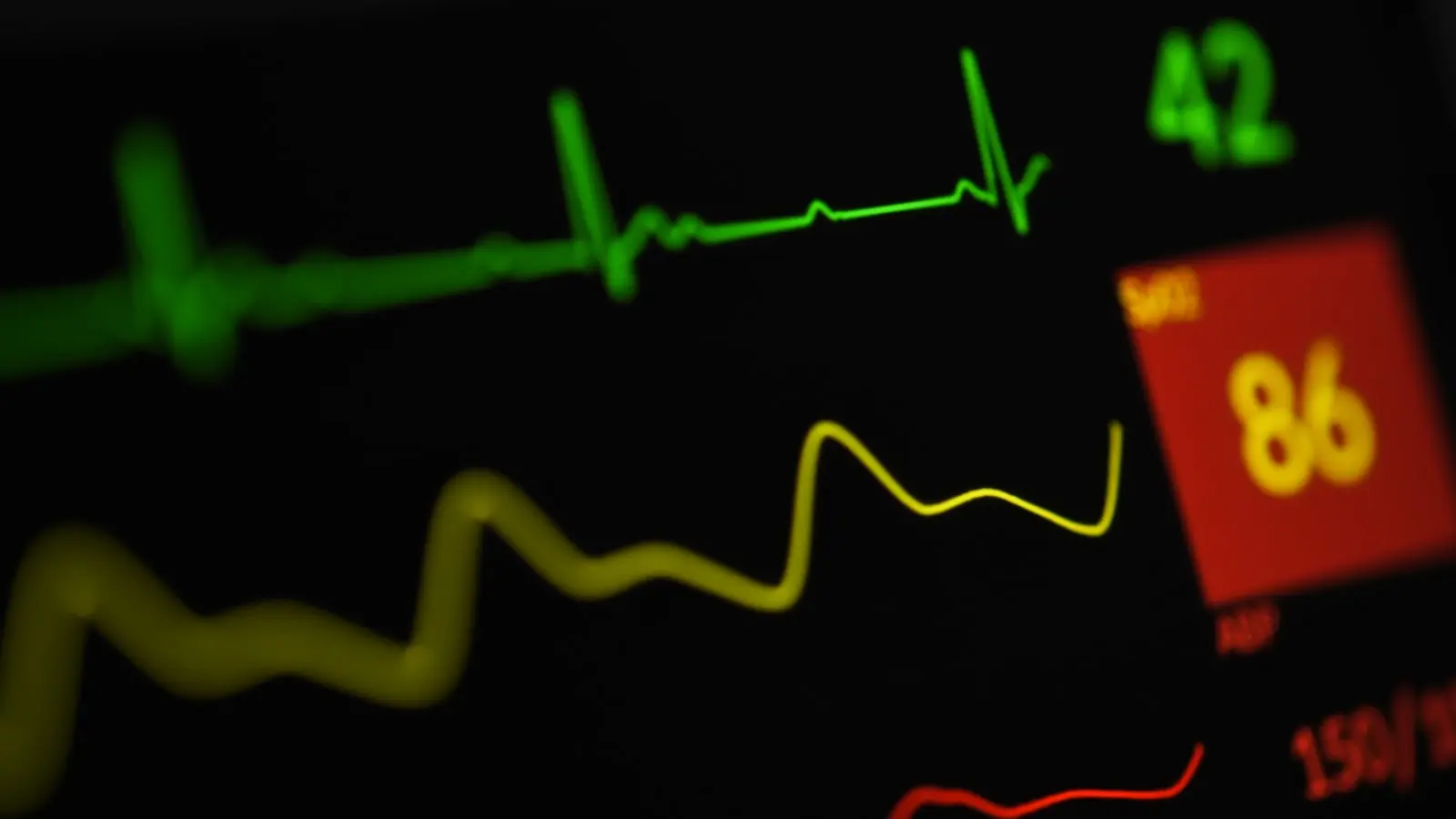

The Physiology of Unexpected Tachycardia
When a heart rate suddenly accelerates during routine, low-intensity activity like walking, the cardiovascular system is signaling a disruption in its regulatory mechanisms. While many individuals characterize these episodes as minor “flutters,” clinical literature from the American Heart Association (AHA) suggests a more nuanced reality. The autonomic nervous system is responsible for modulating heart rate in response to physical demand; when that modulation fails to match the actual workload, an unexplained spike occurs. (Is this a simple glitch or a warning sign?) This phenomenon, particularly when observed at heart rates exceeding 150-170 bpm during sedentary or light movement, necessitates a structured investigative approach.
Common Metabolic and External Triggers
Research indicates that a significant portion of these events—approximately 12% of otherwise healthy populations—are driven by transient environmental or chemical factors rather than structural heart disease. These triggers include:
- Dehydration: Decreased blood volume forces the heart to beat faster to maintain cardiac output.
- Electrolyte Imbalance: Deficiencies in magnesium, potassium, or sodium directly affect the electrical conductivity of cardiac tissue.
- Exogenous Stimulants: Caffeine consumption remains a leading culprit for non-cardiac tachycardia.
- Acute Psychological Stress: Elevated cortisol levels can heighten autonomic reactivity.
These factors are often dismissed as “minor,” yet they represent a significant metabolic burden on the heart’s electrical system.
Distinguishing Benign Spikes from Arrhythmia
Beyond external triggers, medical professionals must consider underlying cardiac conditions. Supraventricular Tachycardia (SVT), for instance, originates above the heart’s ventricles and can manifest as sudden, rapid heart rate increases that persist even after the cessation of physical effort. The clinical distinction here is critical. While a benign spike related to caffeine will typically resolve as the heart rate returns to a baseline steady state, an arrhythmic event often maintains an inappropriately high rate for the level of exertion involved. (Context is everything.)
When to Seek Clinical Evaluation
Data suggests that self-monitoring through consumer-grade wearables provides a starting point, but it cannot replace a formal diagnostic process. If an individual experiences a heart rate that disproportionately exceeds their level of exertion, a clinical evaluation is the only objective pathway to safety.
| Observation | Action Required |
|---|---|
| Short spike (< 30 seconds), no symptoms | Monitor and log frequency |
| Prolonged spike (> 2 minutes) | Schedule an EKG examination |
| Spike accompanied by dizziness/chest pain | Immediate medical assessment |
Physicians prioritize the presence of associated symptoms—dizziness, syncope, or chest discomfort—as markers of potential severity. However, the absence of these symptoms does not automatically rule out underlying pathology. A resting EKG, or in more persistent cases, an ambulatory Holter monitor, remains the gold standard for differentiating between benign sinus tachycardia and genuine cardiac arrhythmias.
The Role of Autonomic Regulation
Heart rate variability (HRV) serves as a proxy for the balance between the sympathetic and parasympathetic nervous systems. When the autonomic nervous system struggles to regulate blood flow under minor physical stress, the heart defaults to a compensatory acceleration. Over time, recurring episodes of this nature suggest a need for a comprehensive assessment of lifestyle, including sleep hygiene, hydration protocols, and pharmacological intake. (Frankly, relying on internet forums for diagnosis ignores the complexity of cardiac electrophysiology.) By isolating variables such as caffeine intake and hydration status, individuals can often clarify whether these spikes are sporadic occurrences or indicators of a more systemic cardiovascular issue. Regardless of the perceived health of the individual, any unexplained tachycardia warrants professional scrutiny to ensure that what feels like a minor nuisance is not the initial manifestation of an undiagnosed electrical abnormality.