
Understanding the Physiological Trigger
When a patient experiences an acute increase in heart rate during minimal physical exertion—such as a casual walk or simple stretching—the primary clinical concern involves distinguishing between benign physiological responses and underlying cardiac arrhythmias. In most instances, the body adapts to low-intensity movement with a measured, predictable rise in cardiac output. When this rhythm is disrupted, it suggests a mismatch between metabolic demand and the autonomic nervous system’s regulation of the heart rate.
Common Metabolic and External Factors
Clinical observation frequently points to manageable environmental or chemical triggers rather than inherent pathology. Dehydration remains a leading contributor; when plasma volume decreases, the heart must compensate with an increased stroke frequency to maintain blood pressure. Similarly, electrolyte imbalances—specifically regarding potassium and magnesium—directly affect the electrical conduction pathways of the myocardium. (Is the patient consuming adequate electrolytes?)
Beyond basic homeostasis, external stimulants often play a definitive role:
- Caffeine Sensitivity: Elevated sympathetic nervous system activity can lead to an exaggerated heart rate response even at baseline levels of activity.
- Thermal Stress: Environmental heat forces the cardiovascular system to dilate peripheral blood vessels for cooling, which inherently demands a higher heart rate.
- Autonomic Fluctuations: Variations in the balance between the sympathetic and parasympathetic nervous systems can cause temporary, non-arrhythmic spikes.
The Role of Cardiac Arrhythmias
While the aforementioned factors are often the culprits, medical professionals must consider conditions like Supraventricular Tachycardia (SVT). In SVT, the heart’s electrical system malfunctions, causing rapid, inefficient beats that originate above the ventricles. Unlike a spike caused by heat or caffeine, SVT episodes may feel more abrupt and sustained. (This requires clinical investigation, not guesswork.)
Clinical Diagnostics and Monitoring
To move beyond speculation, clinicians prioritize objective data. A single point-in-time checkup is often insufficient, as the patient is unlikely to be experiencing the spike during the physical examination. Therefore, ambulatory monitoring is the current gold standard.
| Diagnostic Tool | Primary Function | Clinical Utility |
|---|---|---|
| Electrocardiogram (ECG) | Mapping electrical activity | Detecting base-level conduction abnormalities |
| Holter Monitor | Continuous tracking (24-48h) | Capturing sporadic, short-lived spikes |
| Event Recorder | Patient-triggered snapshots | Correlating specific symptoms with rhythm data |
Deconditioning as a Hidden Variable
Sports medicine literature suggests that deconditioning contributes to a disproportionate heart rate response. When an individual lacks consistent aerobic conditioning, the cardiac muscle performs less efficiently at low volumes of work. This inefficiency is frequently misidentified by the patient as a medical alarm. Strengthening the cardiovascular system often yields a more stable heart rate during rest and light movement, effectively widening the threshold for what constitutes an ‘exertion spike.‘
When to Seek Professional Intervention
Occasional, fleeting spikes in heart rate during movement are frequently dismissed as benign. However, medical guidelines are explicit regarding warning signs. Clinical evaluation is mandatory if the heart rate event is accompanied by specific red flags:
- Persistent dizziness or lightheadedness
- Substernal chest pain or pressure
- Unexplained shortness of breath (dyspnea) at low exertion
- Syncope or near-syncope episodes
Utilizing Wearable Technology Effectively
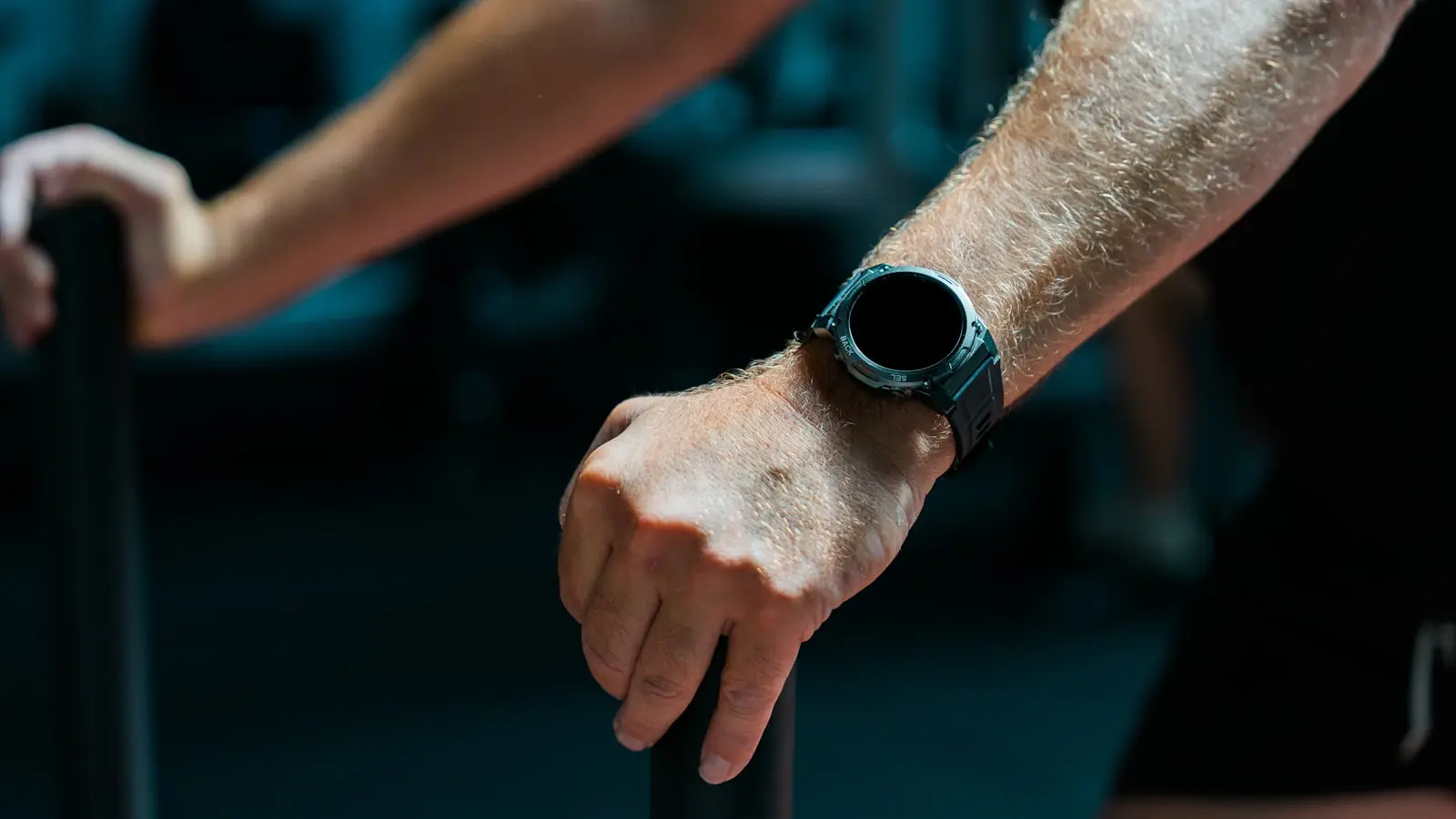
Modern wearable devices provide a longitudinal view of heart rate variability that was previously unavailable to the average patient. By recording heart rate data alongside activity levels, patients can provide their cardiologist with a digital log of exactly what happens when symptoms occur. (Precision data wins every time.) However, these devices do not replace a clinical ECG or cardiac stress test. The goal of utilizing such technology is to provide the physician with a high-resolution window into the cardiovascular behavior of the patient during their daily routine, facilitating an accurate diagnosis rather than a speculative one.