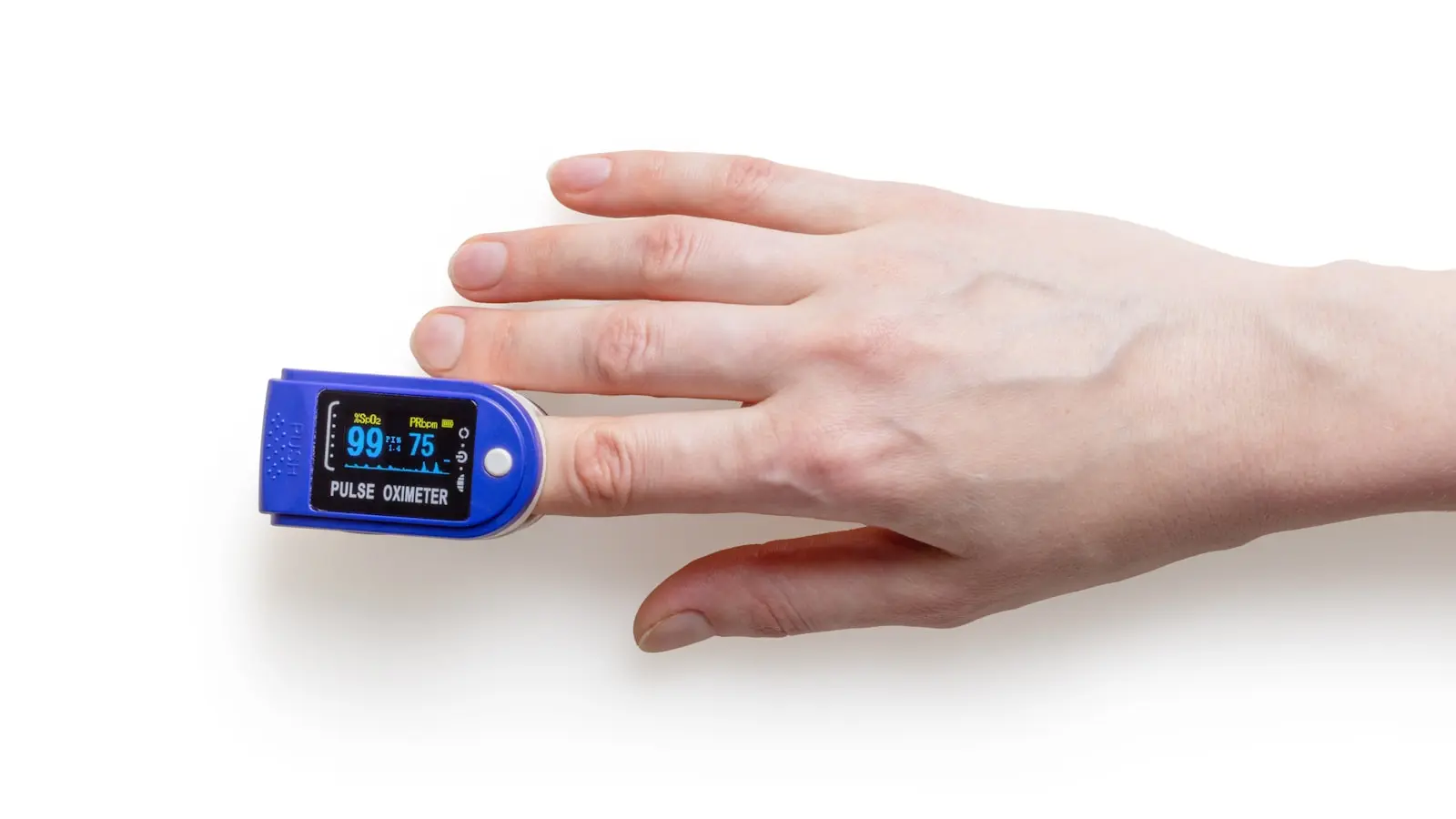

Understanding the Physiology of Tachycardia
The human cardiovascular system is a marvel of adaptive engineering, yet it remains susceptible to subtle systemic disruptions. When a fitness tracker reports a rapid heart rate elevation during tasks as mundane as walking, the impulse is often to assume an immediate cardiac crisis. However, the medical reality is frequently more nuanced. Sudden heart rate spikes, or tachycardia, during moderate physical activity often reflect the complex interplay between the autonomic nervous system and external physiological stressors. When the body encounters a mismatch between intended output and actual cardiac demand, it often signals an underlying efficiency gap or an immediate chemical imbalance. (Is it a failure of the heart, or a signal from the nervous system?)
The Role of Autonomic Imbalances
The autonomic nervous system acts as the body’s internal thermostat, constantly modulating heart rate to meet environmental demands. When this system enters a state of imbalance, it may overcompensate for basic physical movements. Clinical research indicates that significant heart rate fluctuations during low-intensity movement—specifically jumps of 30 to 40 beats per minute—often point to poor aerobic conditioning or, more critically, autonomic dysregulation. This does not necessarily imply structural heart disease. Rather, it suggests the cardiovascular system is operating under unnecessary stress. The mechanism is simple: if the heart cannot efficiently pump blood to meet oxygen demands, the nervous system signals for an increase in rate rather than stroke volume.
Primary Environmental Disruptors
Beyond structural concerns, three primary factors often act as catalysts for these episodes: hydration, electrolyte status, and hormonal load. Dehydration remains the most common culprit. When blood volume decreases, the heart must beat faster to maintain systemic perfusion. (It is a simple plumbing issue.) Electrolyte deficiencies, specifically involving potassium, magnesium, and sodium, further complicate cardiac electrical conductivity.
Furthermore, the role of cortisol and stimulants cannot be overstated. High stress hormone levels, often driven by sleep deprivation or chronic anxiety, lower the threshold for tachycardia. Caffeine, while socially normalized, acts as a chemical stimulant that sensitizes the heart’s electrical pathways. When these factors converge, a standard walk can produce a cardiac response usually reserved for a light jog.
Distinguishing Normal Response from Clinical Concern
It is essential to differentiate between a standard physiological adaptation and a diagnostic red flag. Occasional spikes are often benign, frequently resulting from temperature changes, recovery from previous illness, or simple metabolic demand. However, clinicians draw a line when the elevation is sustained or occurs without clear provocation.
Key Indicators for Medical Evaluation
| Clinical Sign | Potential Significance |
|---|---|
| Sustained Elevation | Persistent demand exceeding physiological need |
| Dizziness or Syncope | Inadequate cerebral perfusion |
| Irregular Rhythm | Potential for Atrial Fibrillation |
| Lack of Recovery | Autonomic nervous system fatigue |
If the heart rate remains elevated long after the activity has ceased, or if the individual experiences palpitations or lightheadedness, a professional medical evaluation is mandatory. The standard of care for these symptoms is an electrocardiogram (ECG). An ECG allows physicians to rule out more concerning conditions like arrhythmias, specifically Atrial Fibrillation or supraventricular tachycardia. (Do not rely on consumer-grade wearables for a diagnosis.)
Establishing Long-Term Stability
Managing these spikes requires a methodical approach to lifestyle adjustment. If medical conditions have been ruled out, the focus must shift to restorative habits. Aerobic conditioning, implemented through progressive, low-intensity training, forces the heart to optimize stroke volume, which naturally lowers heart rate over time. Simultaneously, optimizing sleep architecture and stabilizing electrolyte intake provides the nervous system with the baseline stability required to regulate rhythm accurately. Evidence remains the only reliable metric for heart health; tracking symptoms alongside objective data is the most effective way to determine whether a spike is a minor adaptation or a clinical concern that warrants intervention.