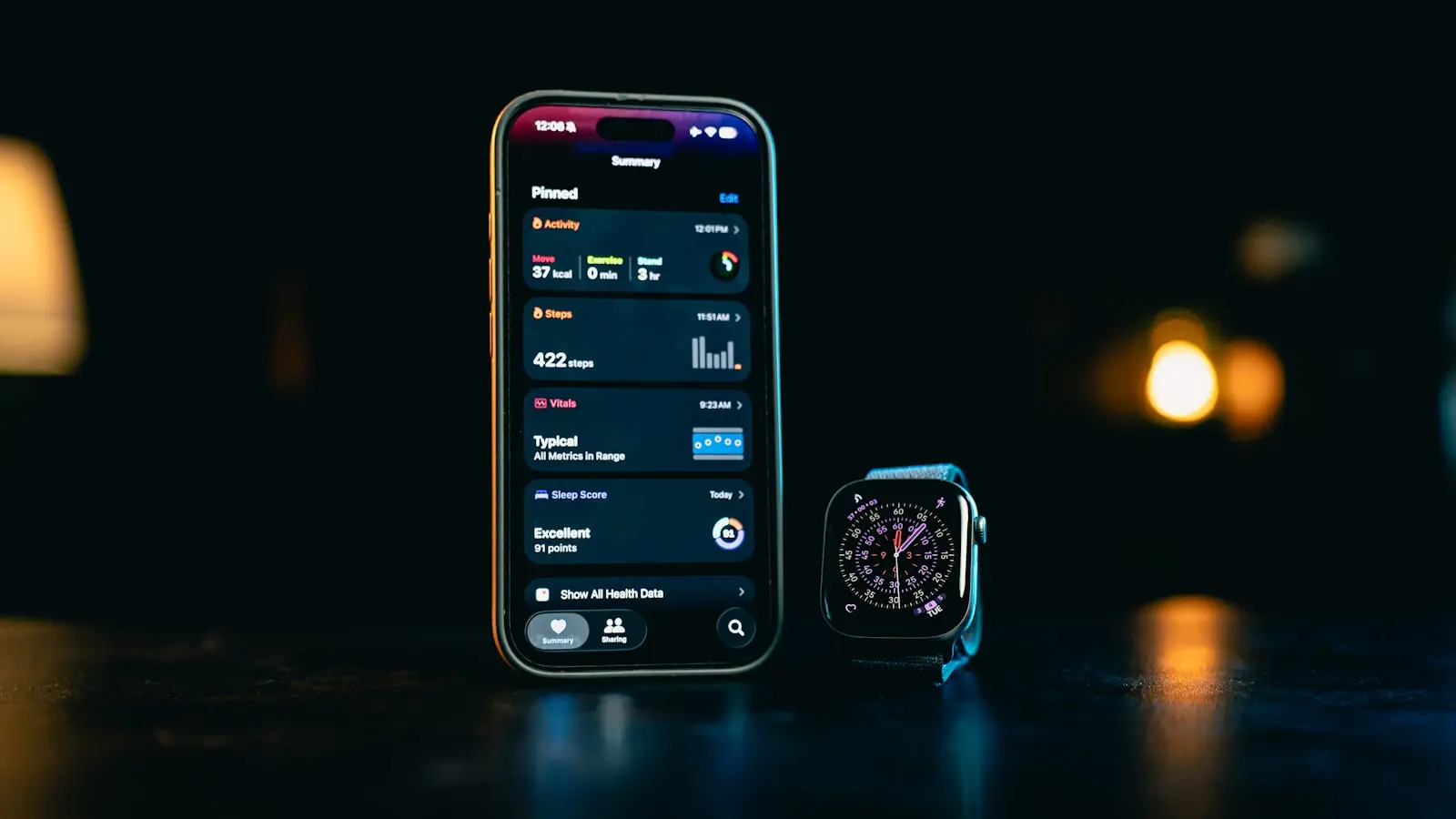

A sudden, disproportionate increase in heart rate during low-intensity movement frequently prompts concern among users of modern wearable technology. When the cardiovascular response significantly outpaces metabolic demand, it warrants an objective assessment of physiological and autonomic factors. (Is it a red flag or merely a data quirk?) Clinical research indicates that such events often point to disruptions in autonomic nervous system regulation, dehydration, or an overtrained state.
The Physiology of the Spike
The cardiovascular system is designed to match heart rate (HR) to the oxygen requirements of working muscle. During a gentle walk or light movement, the metabolic demand is minimal. If the heart rate climbs rapidly into zones typically reserved for high-intensity training, the body is likely experiencing a compensatory mechanism for an underlying deficit.
Common clinical drivers include:
- Autonomic Nervous System (ANS) Dysregulation: Conditions such as Postural Orthostatic Tachycardia Syndrome (POTS) can cause the heart rate to surge upon standing or moving, as the body struggles to maintain blood pressure through vasoconstriction.
- Fluid and Electrolyte Imbalance: Dehydration reduces blood volume, forcing the heart to beat faster to maintain cardiac output. This is a common, reversible cause of tachycardia during movement.
- Overtraining Syndrome: Chronic elevation of cortisol levels due to insufficient recovery periods can disrupt the delicate balance between the sympathetic and parasympathetic nervous systems.
Metrics That Matter More Than Heart Rate
While consumer wearables from Apple, Garmin, and Oura have democratized health tracking, they have also led to an uptick in anxiety over sporadic data points. Physicians emphasize that a single, isolated spike is rarely a cause for alarm. Instead, trends provide a clearer picture of health. Heart Rate Variability (HRV) serves as a superior metric for assessing physiological readiness. High HRV suggests a body capable of adapting to stress, while a sudden, sustained drop in HRV combined with heart rate spikes often signals that the body is failing to recover from previous bouts of exertion. (Frankly, fixating on a single beat-per-minute value is a distraction.)
Differentiating Between Effort and Arrhythmia
Not all spikes are created equal. Clinical guidelines suggest that while minor fluctuations are standard, persistent elevations—such as heart rates exceeding 150 bpm during light walking—require a medical evaluation. This threshold is utilized to rule out underlying cardiac arrhythmias, which require diagnostic tools like an EKG or a Holter monitor rather than a wrist-based sensor.
Practical Strategies for Cardiovascular Acclimation
Fitness professionals often observe that many individuals skip the foundational phase of their workout. Extending the warm-up period to at least 15 minutes allows the autonomic system to transition more smoothly from a sedentary state to active movement. This window is critical for:
- Vasodilation: Gradually opening the blood vessels to decrease peripheral resistance.
- Thermoregulation: Allowing the body to initiate cooling mechanisms before the core temperature rises significantly.
- Hormonal Balancing: Preventing a rapid “fight-or-flight” response that can cause premature tachycardia.
When to Seek Professional Guidance
If heart rate deviations are accompanied by symptoms such as dizziness, chest pressure, or shortness of breath that feels out of proportion to the activity, the search for a digital solution should end immediately. Professional clinical assessment is the only way to distinguish between benign autonomic responses and pathological cardiac conditions. When the data suggests a persistent anomaly, the most scientific approach is to consult a cardiologist to ensure that the cardiovascular system is functioning within safe parameters.